

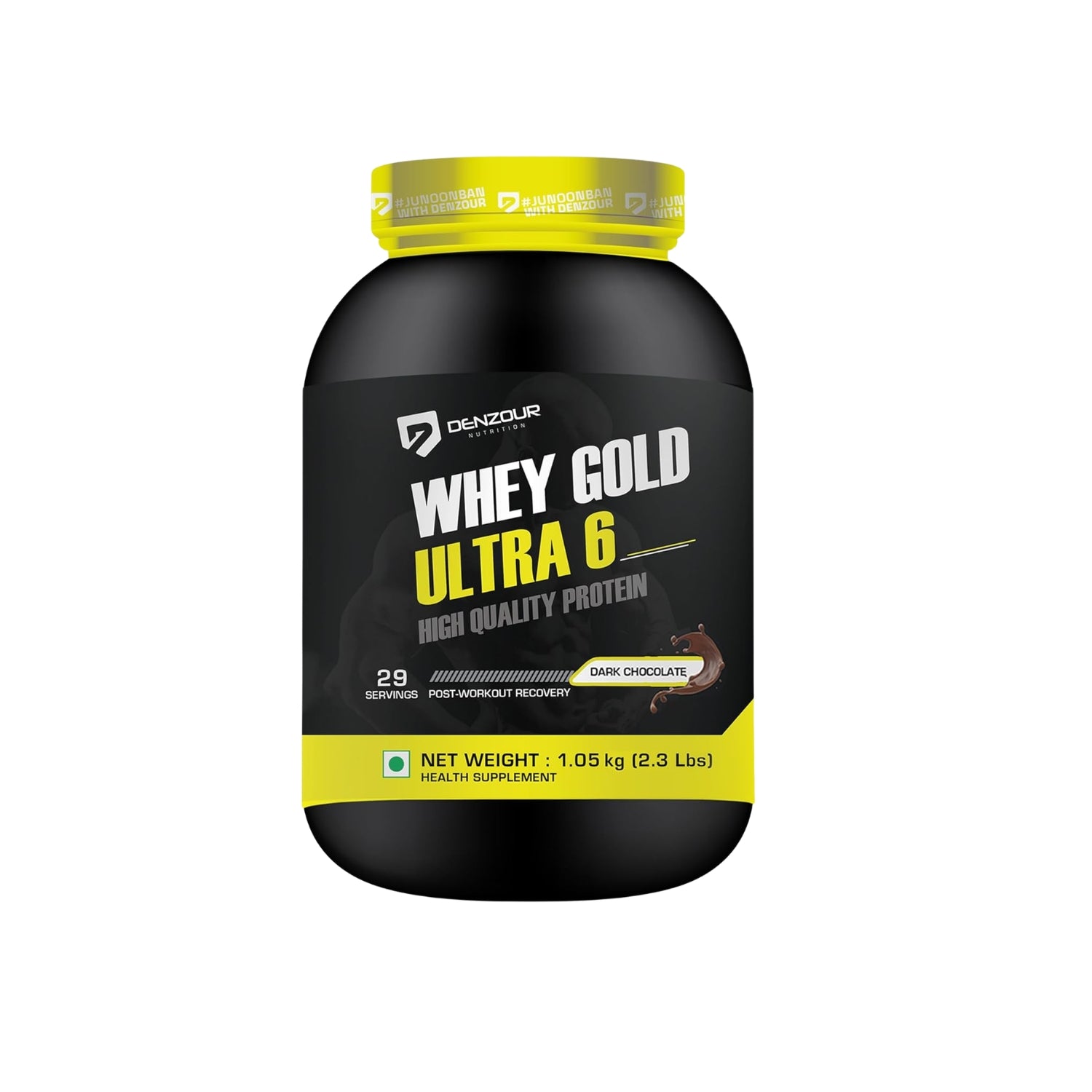



It might be a little overwhelming to choose the best protein powder in India there are so many brands, and many of them make some serious, not-easily-substantiated claims. The best protein powder will be clean, easy to digest, label-transparent, and right for your goal (muscle gain, fat loss, recovery or hitting your daily protein).
Quick Answer: Best Protein Powders in India
- Best Overall (Most People): Denz Xpert Whey (balanced blend+awesome flavours + everyday friendly)
- Best for Lean Macros/ Low Carb: Whey Isolate (low lactose, fast digesting)
- Best Budget Pick: A Clean Whey Concentrate (straight-forward ingredient list, good price)
- Best for Beginners: Whey blend or concentrate (easy to begin, inexpensive)
- Best Vegan Option: A Pea + Rice blend (we see more complete amino profile compared to single-source plant proteins)
If you’re looking for the easiest option: Best Overall. If you have trouble digesting, if you want very lean macros: select an isolate.
Top 10 Best Protein Powder in india (2026)
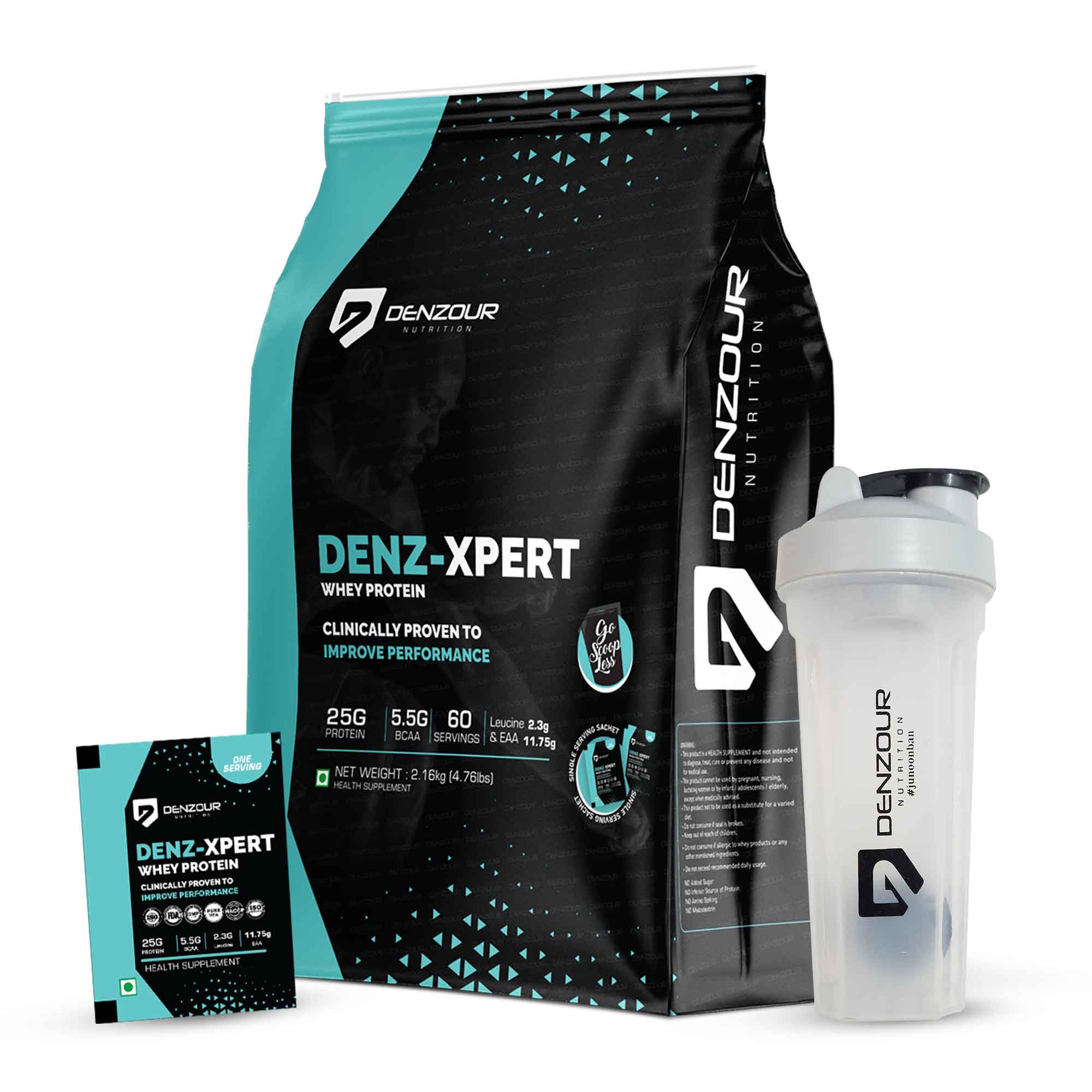
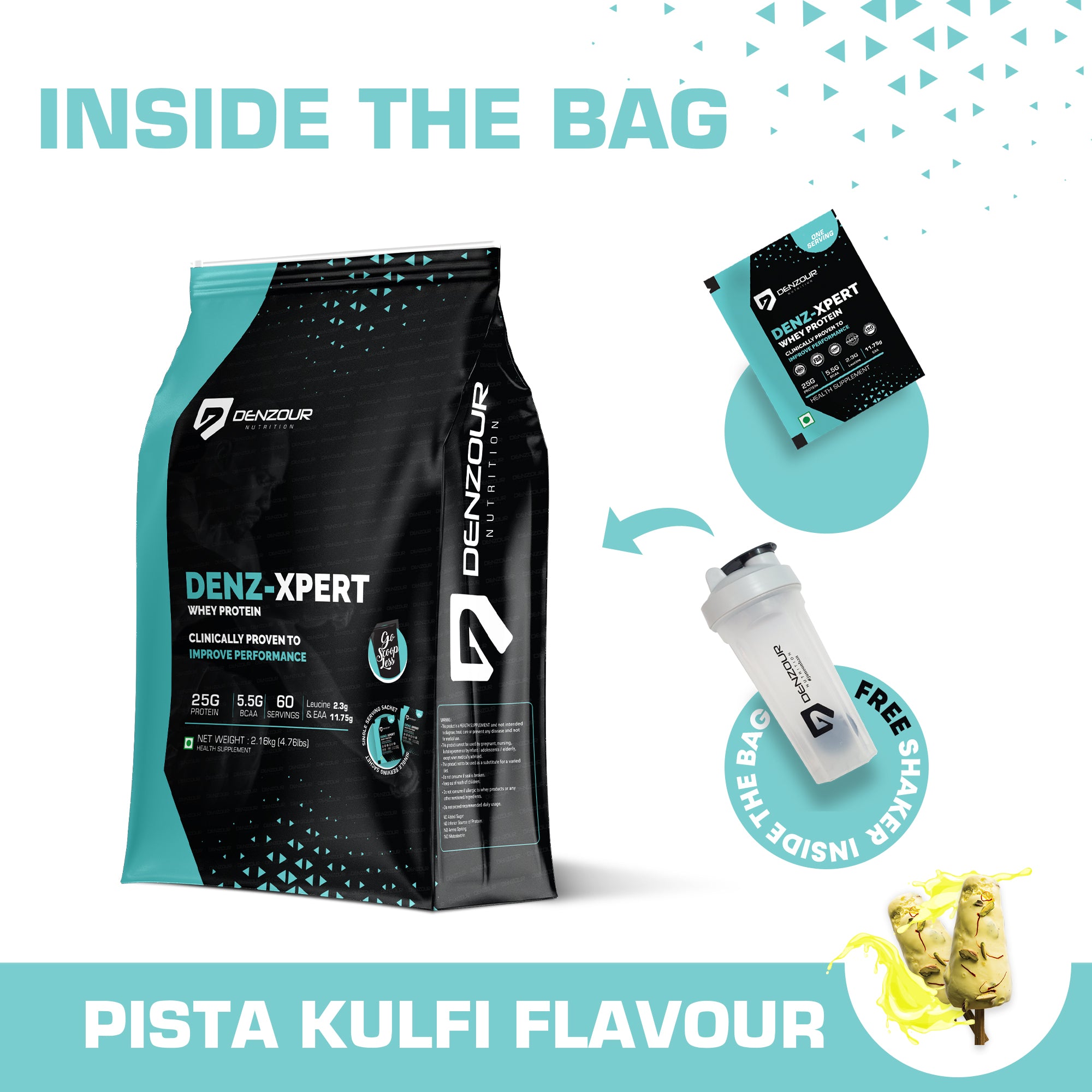
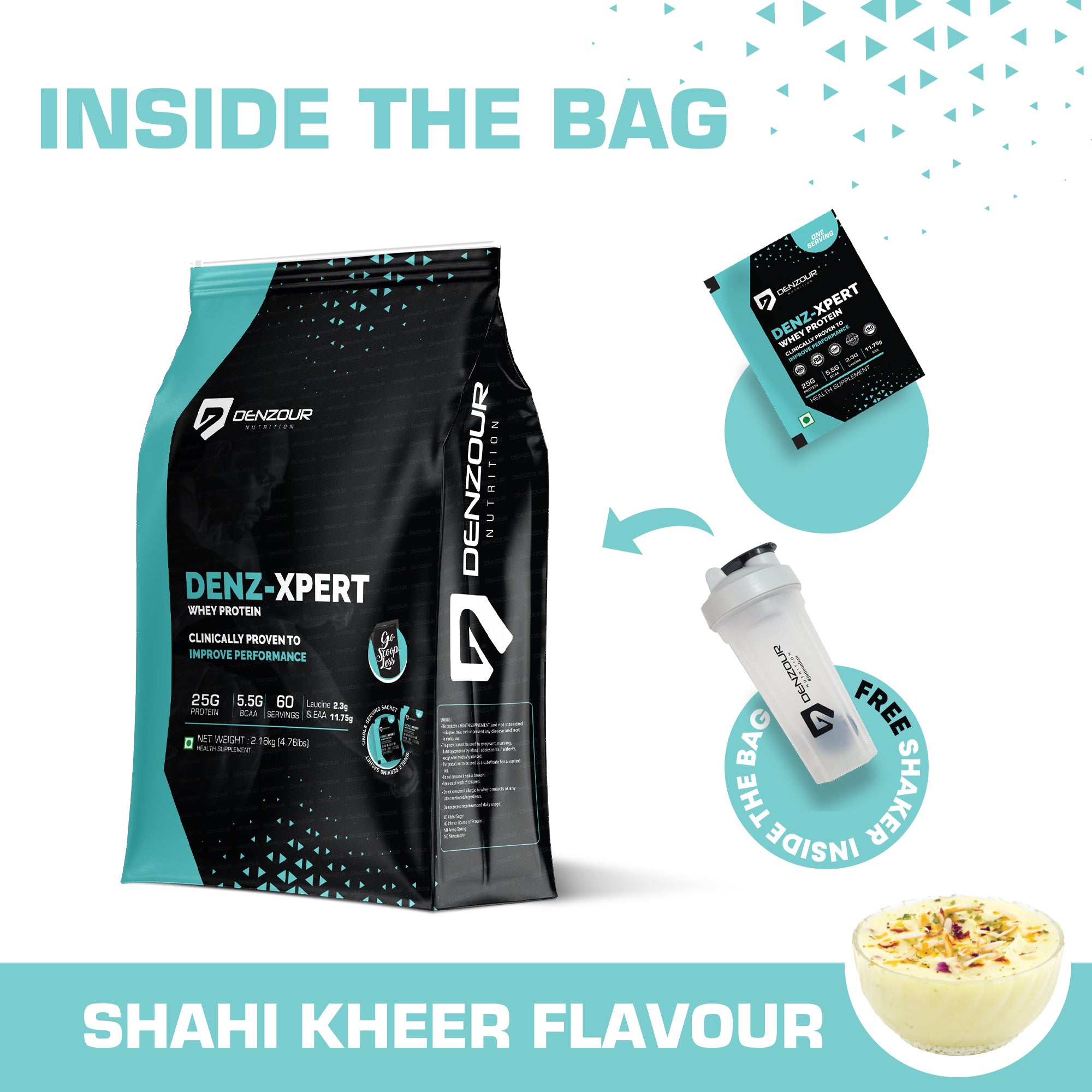
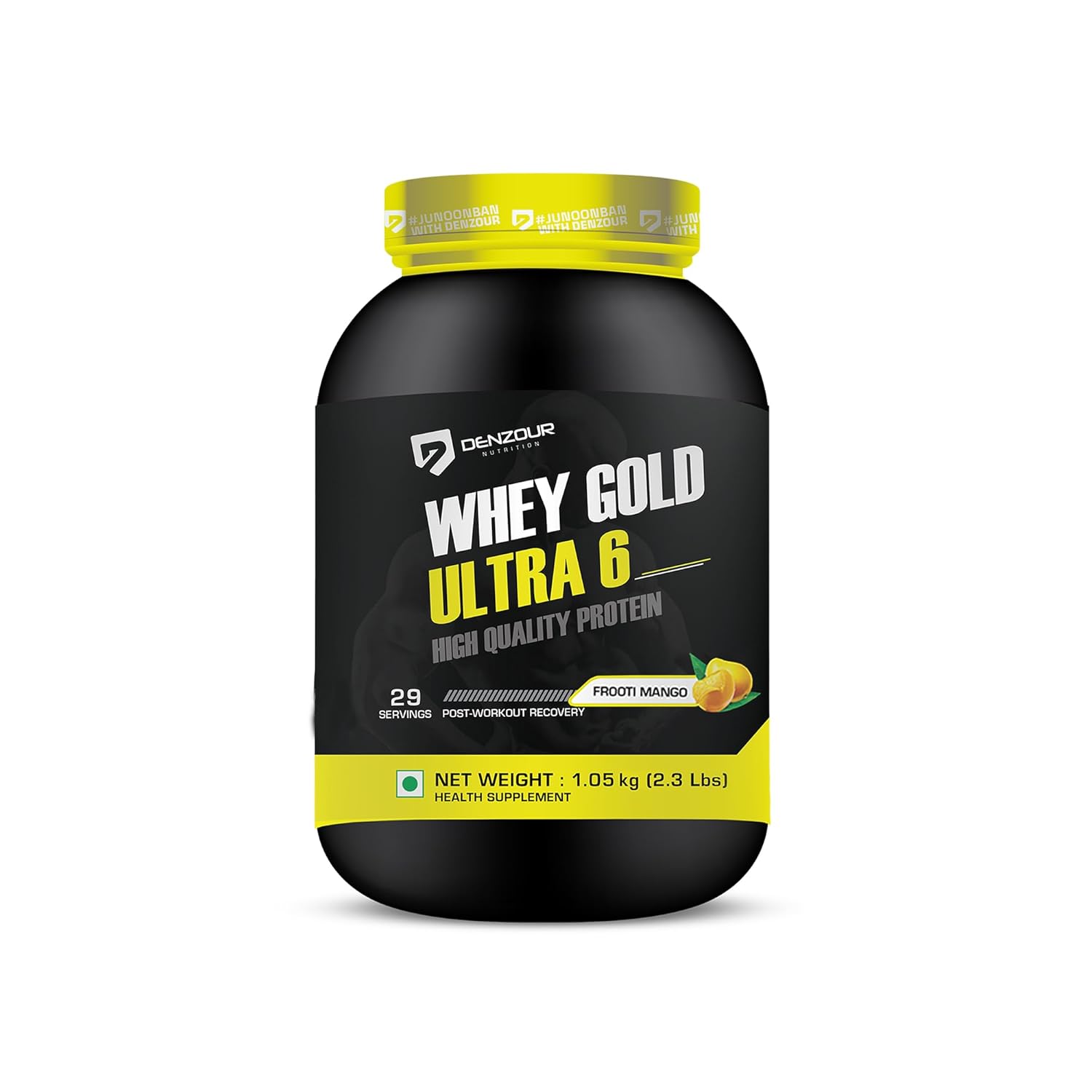
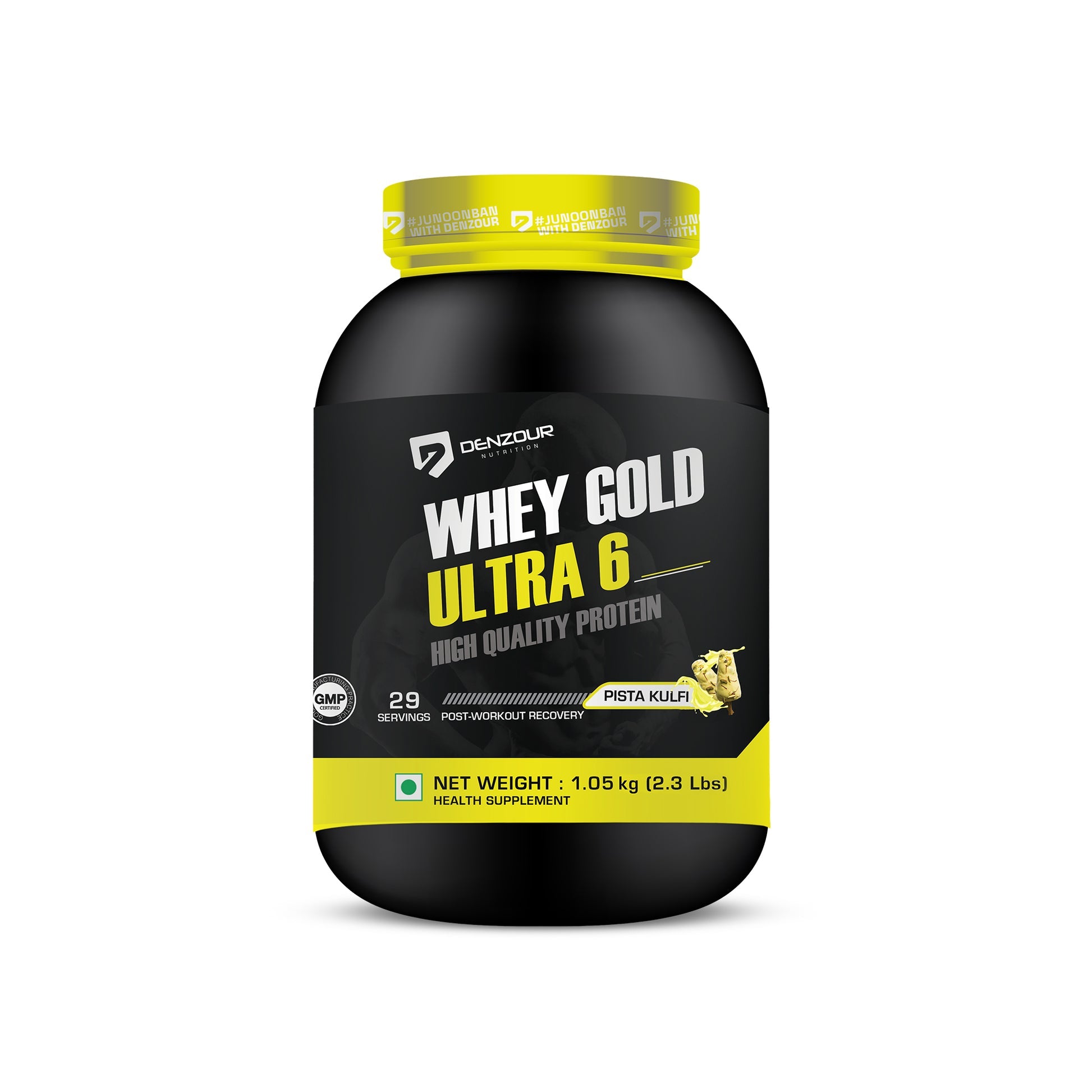
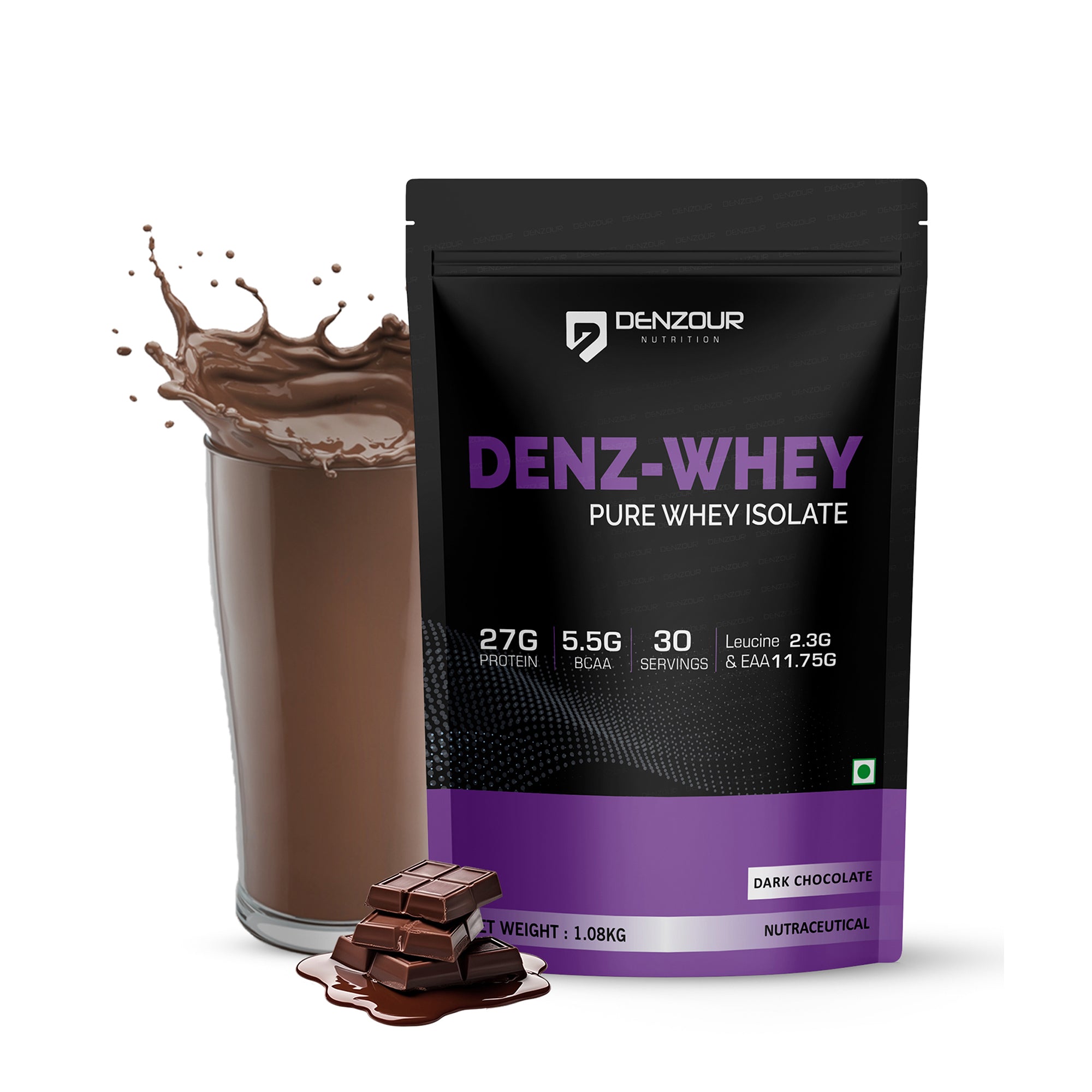
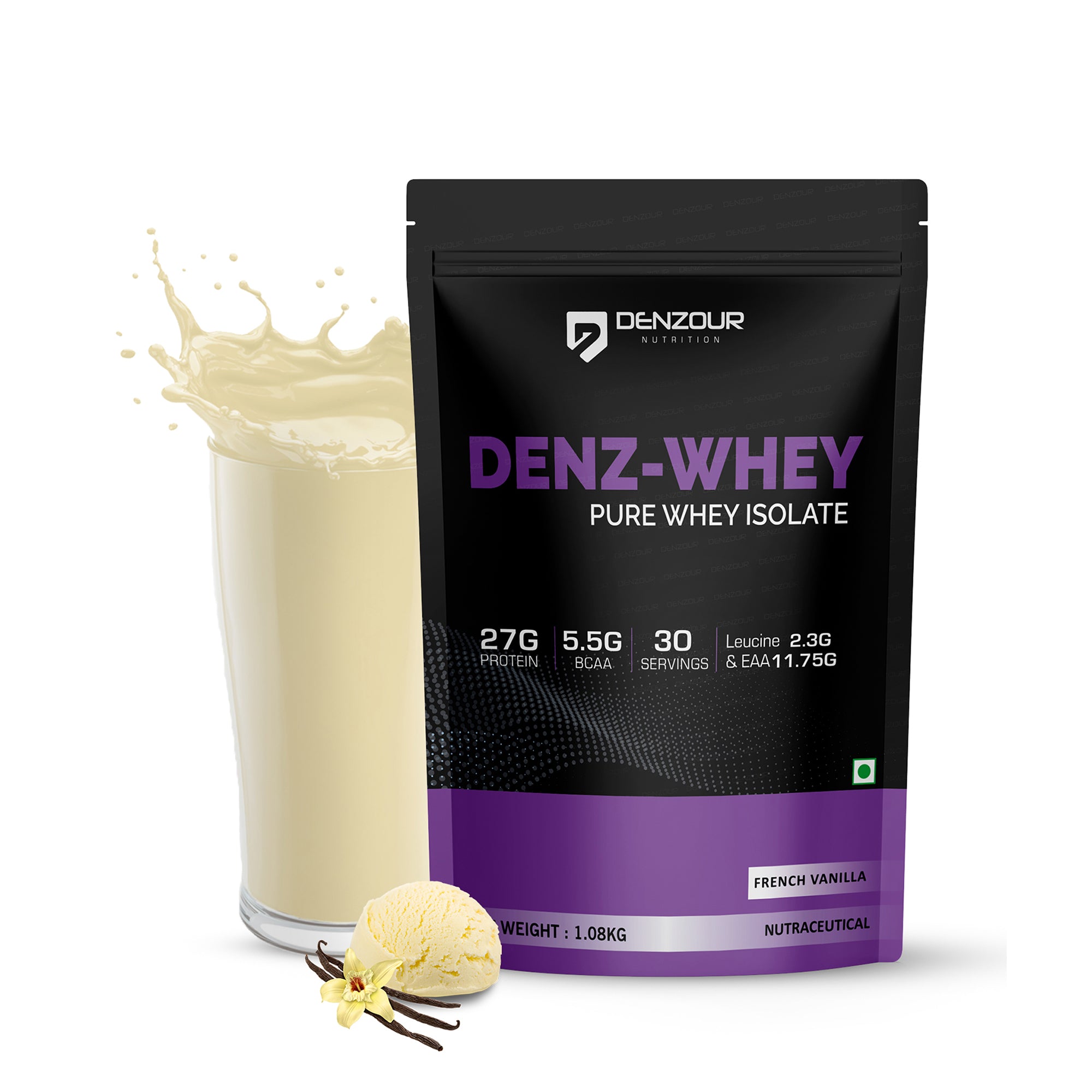
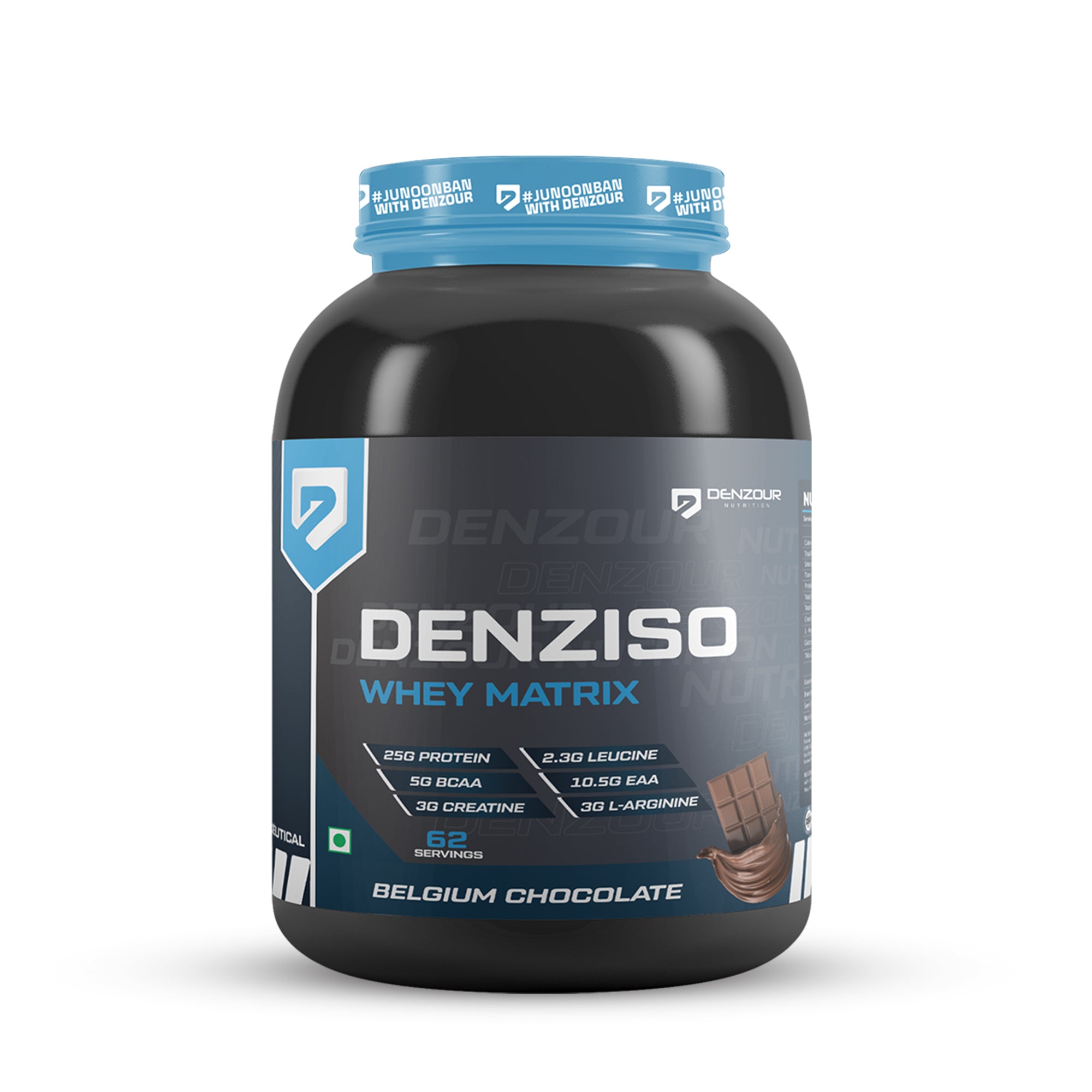
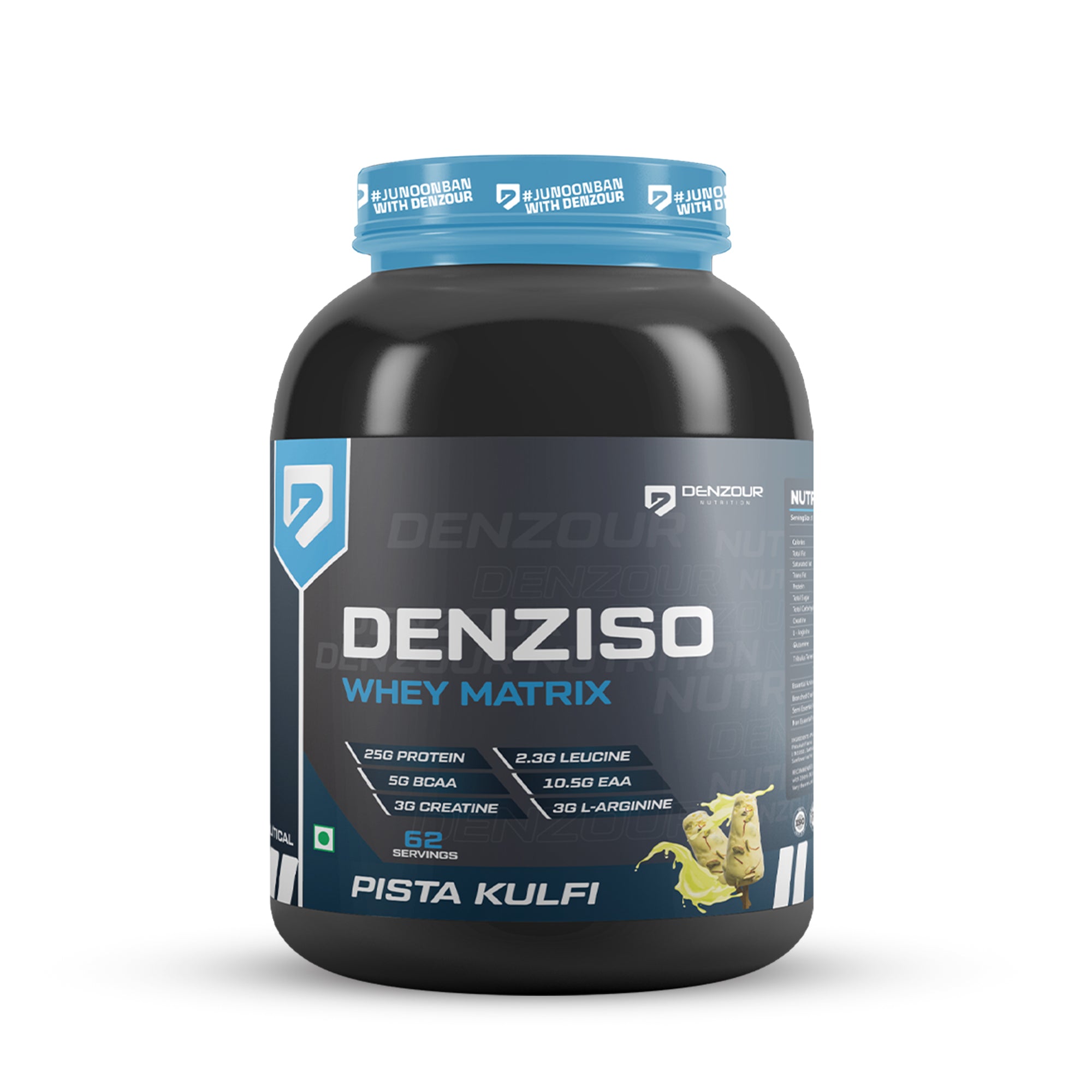
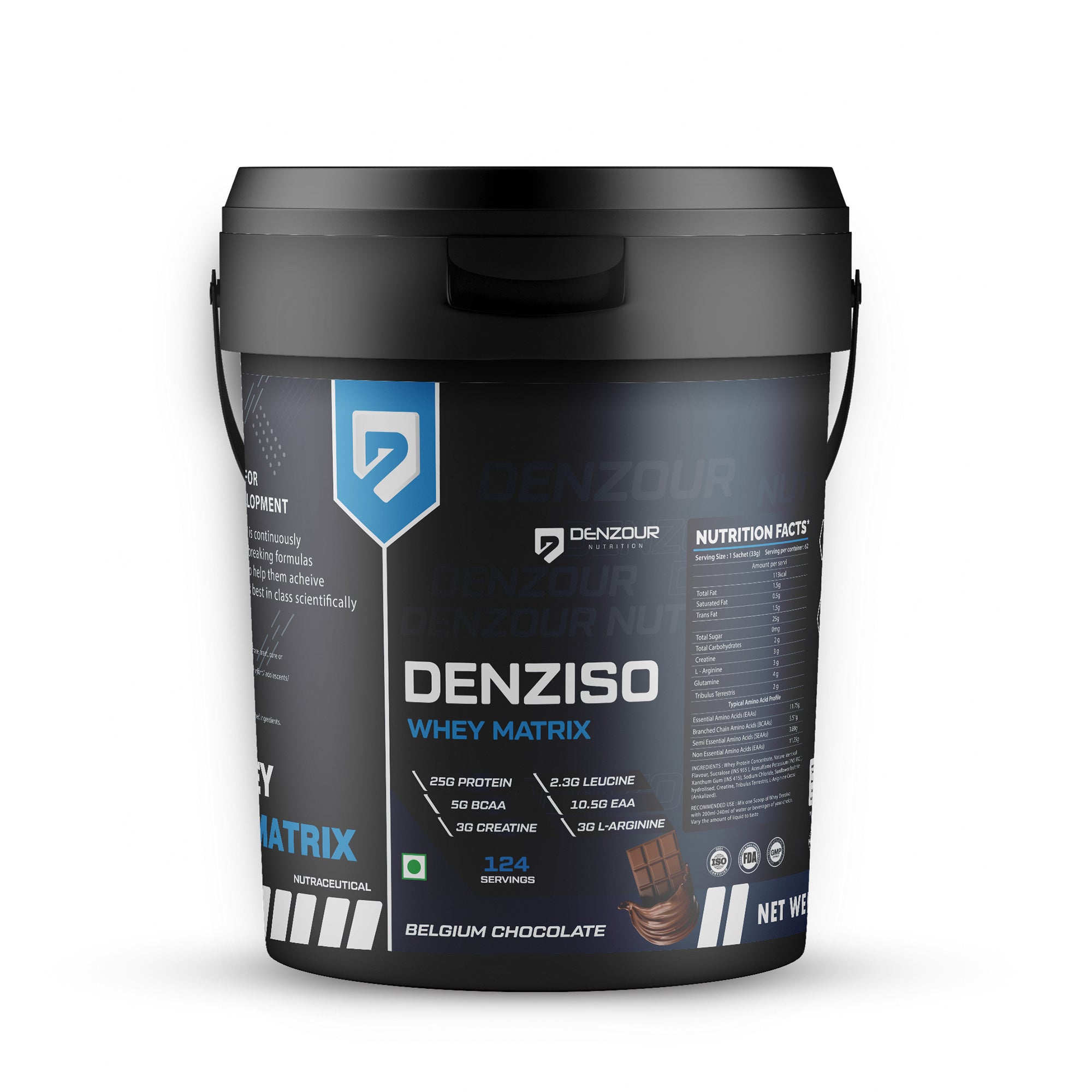
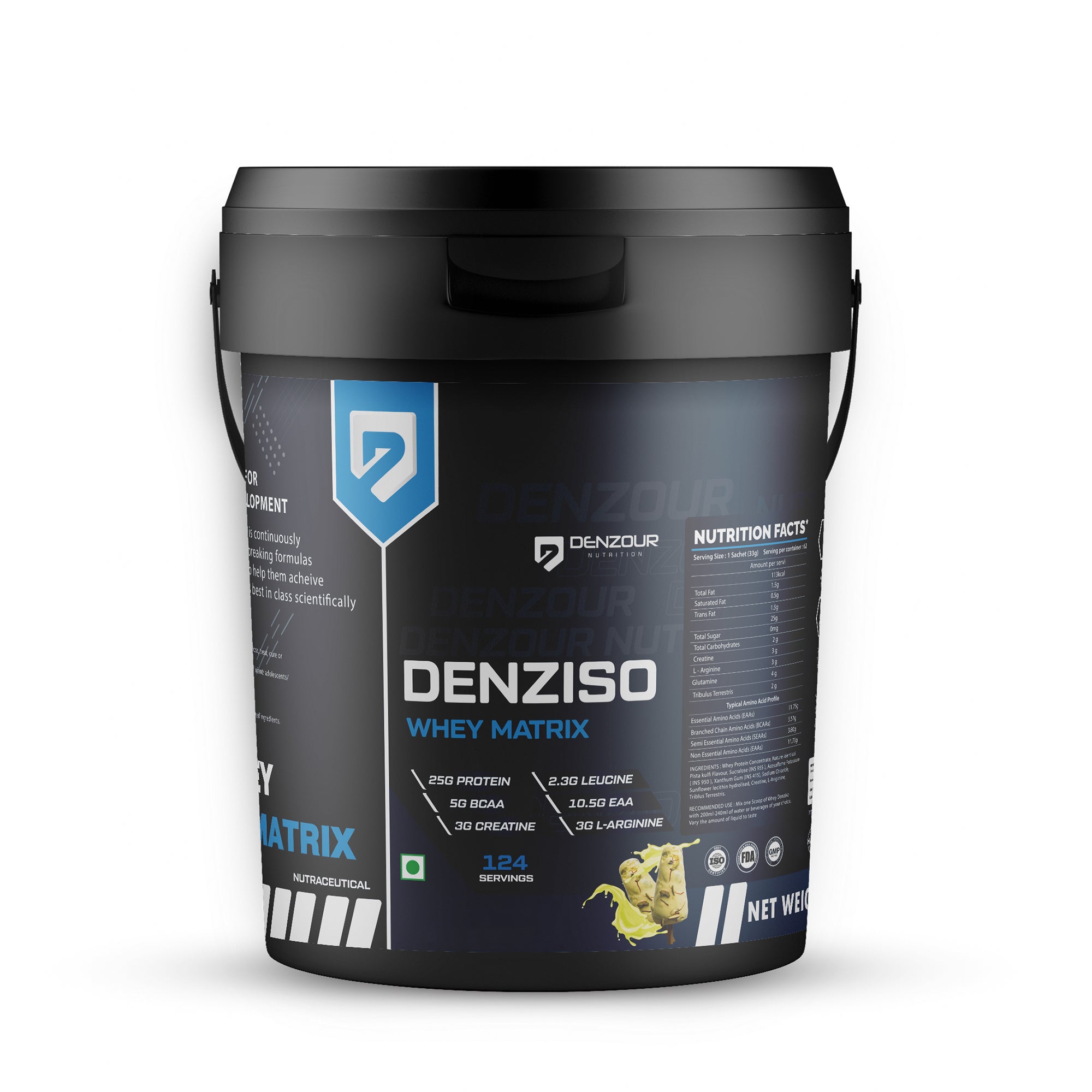
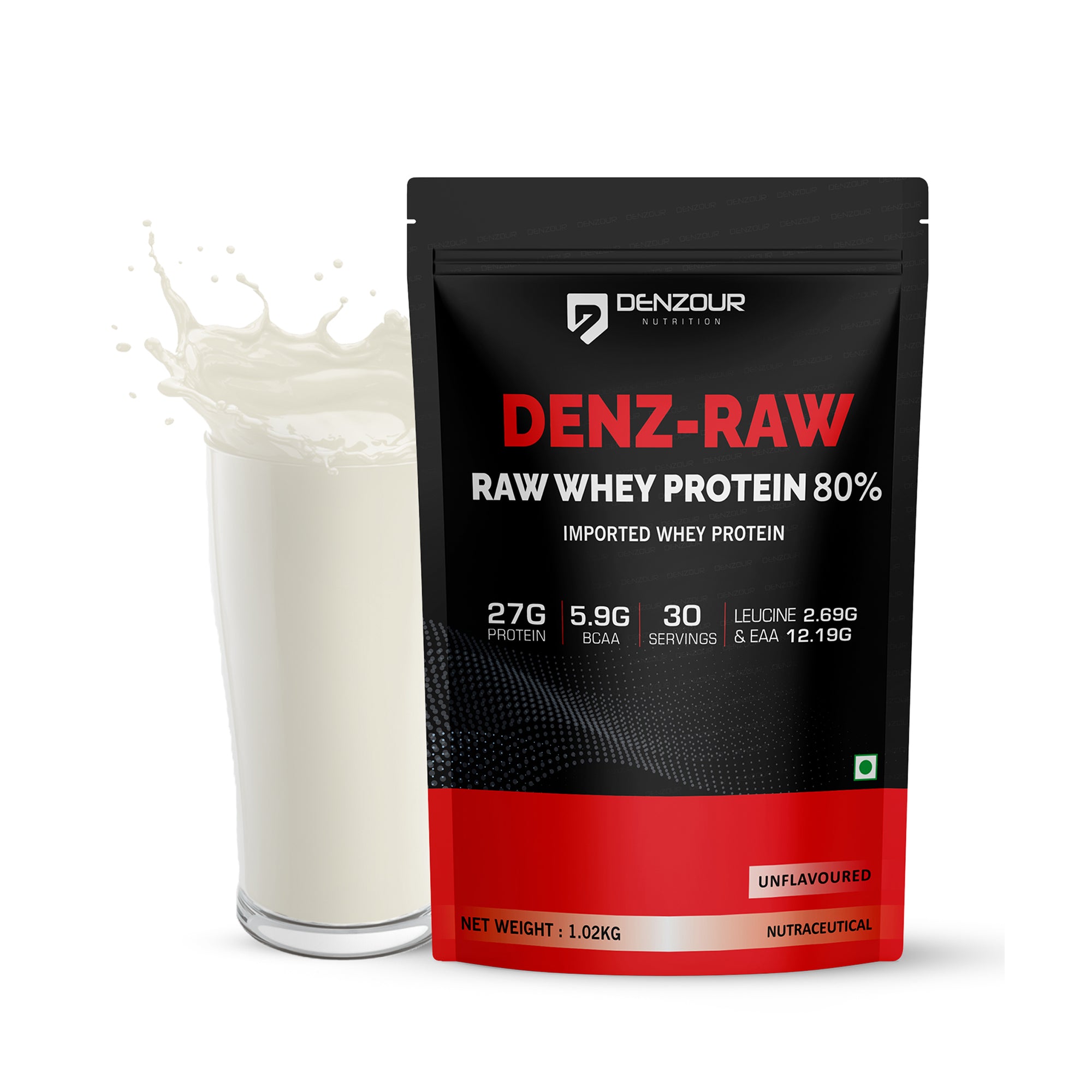
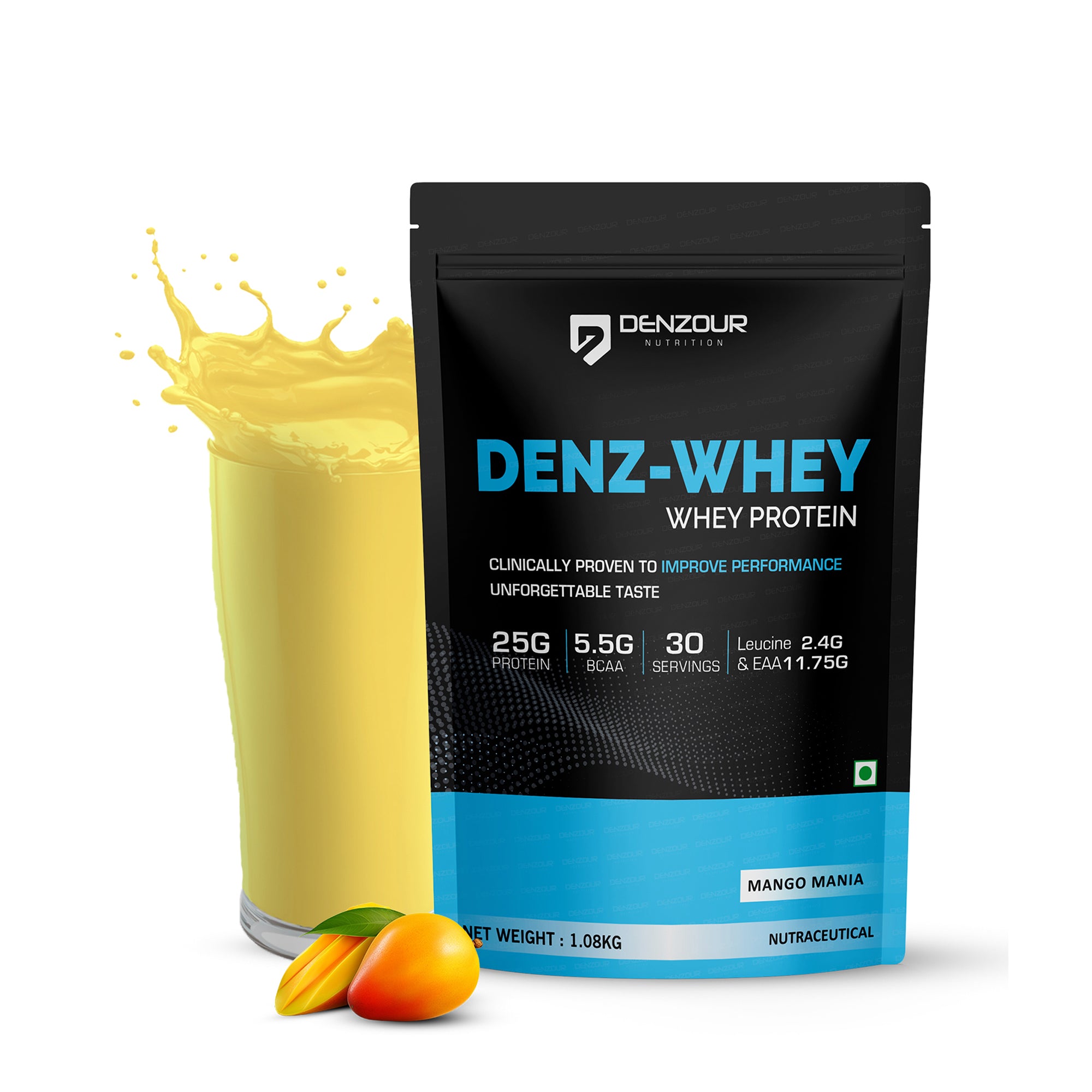
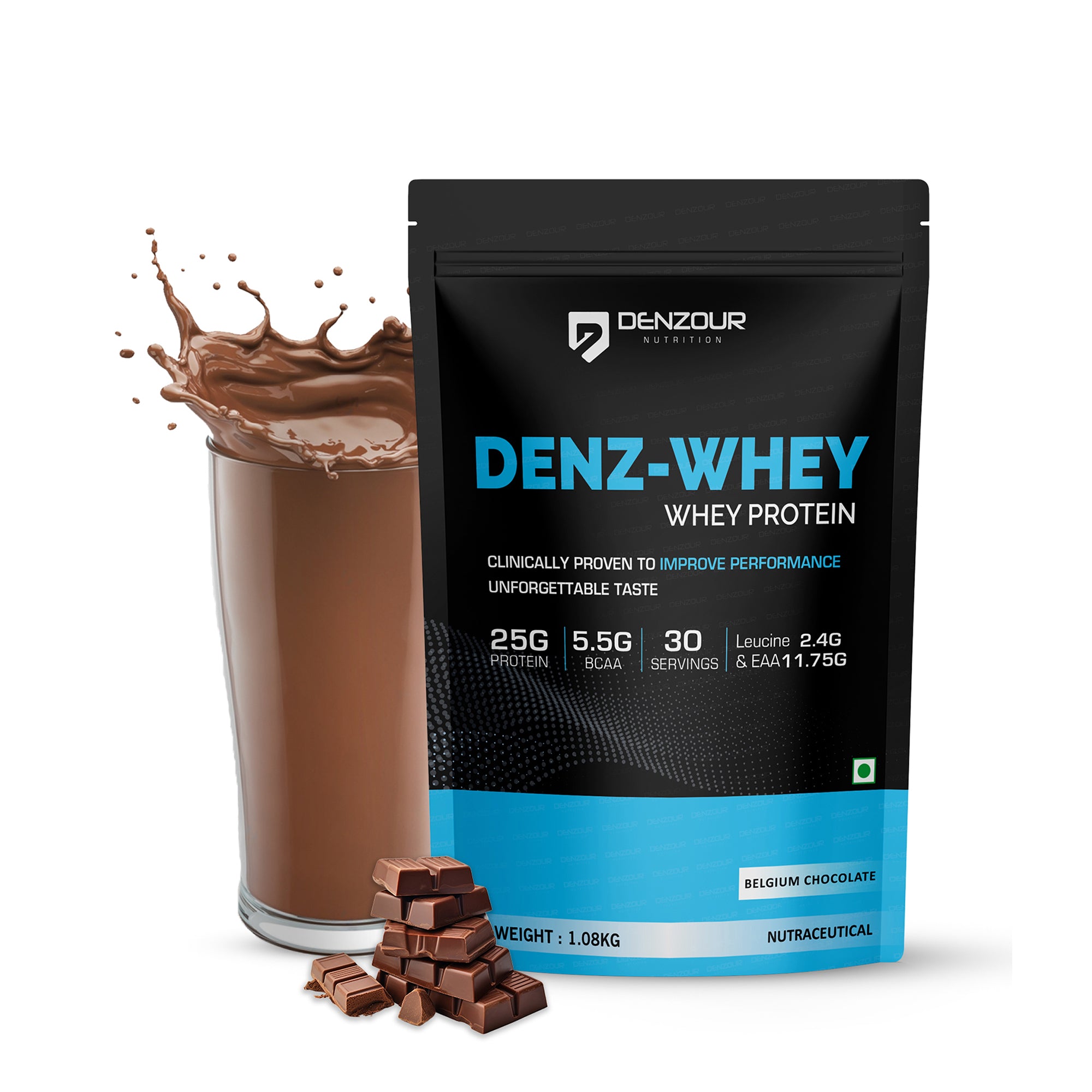
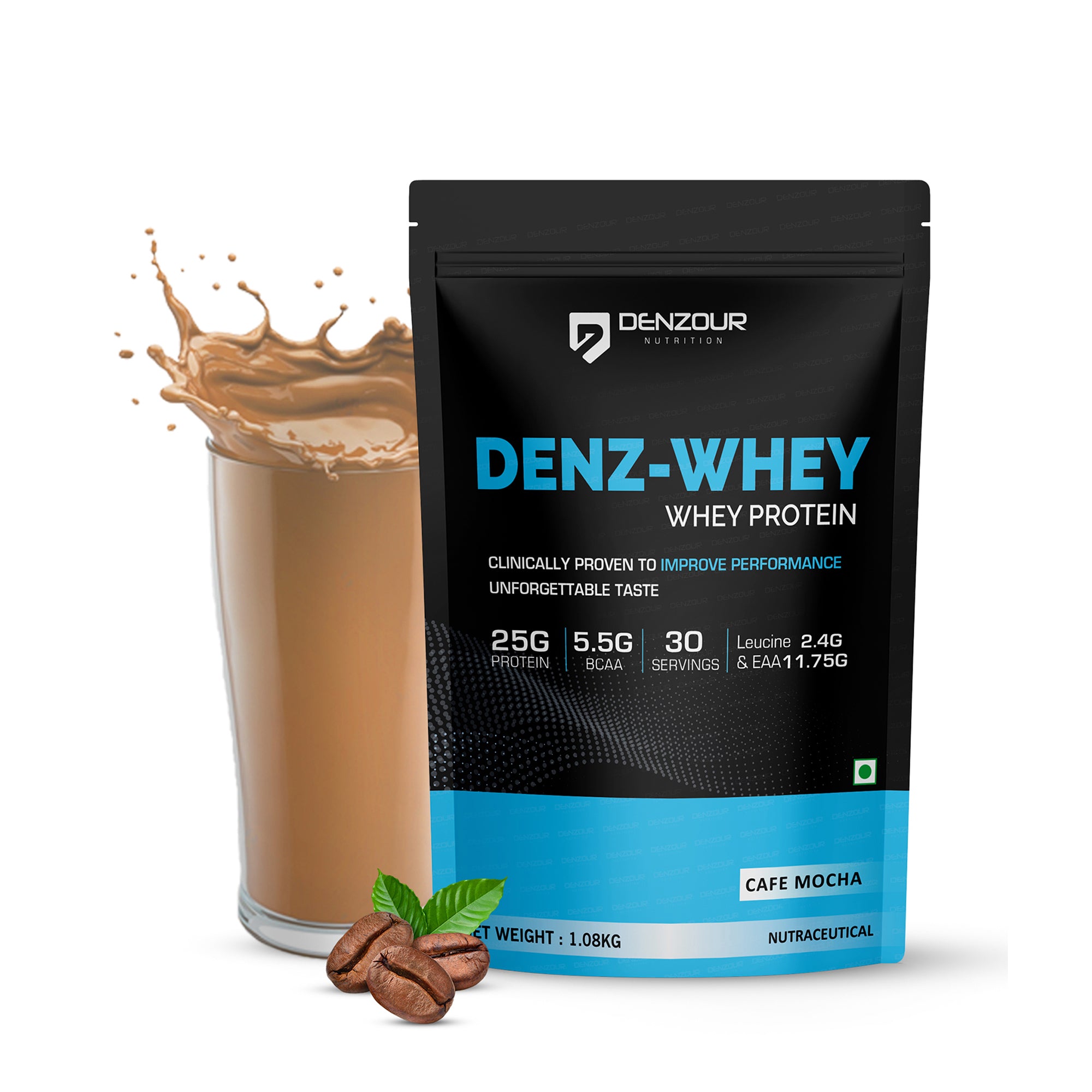
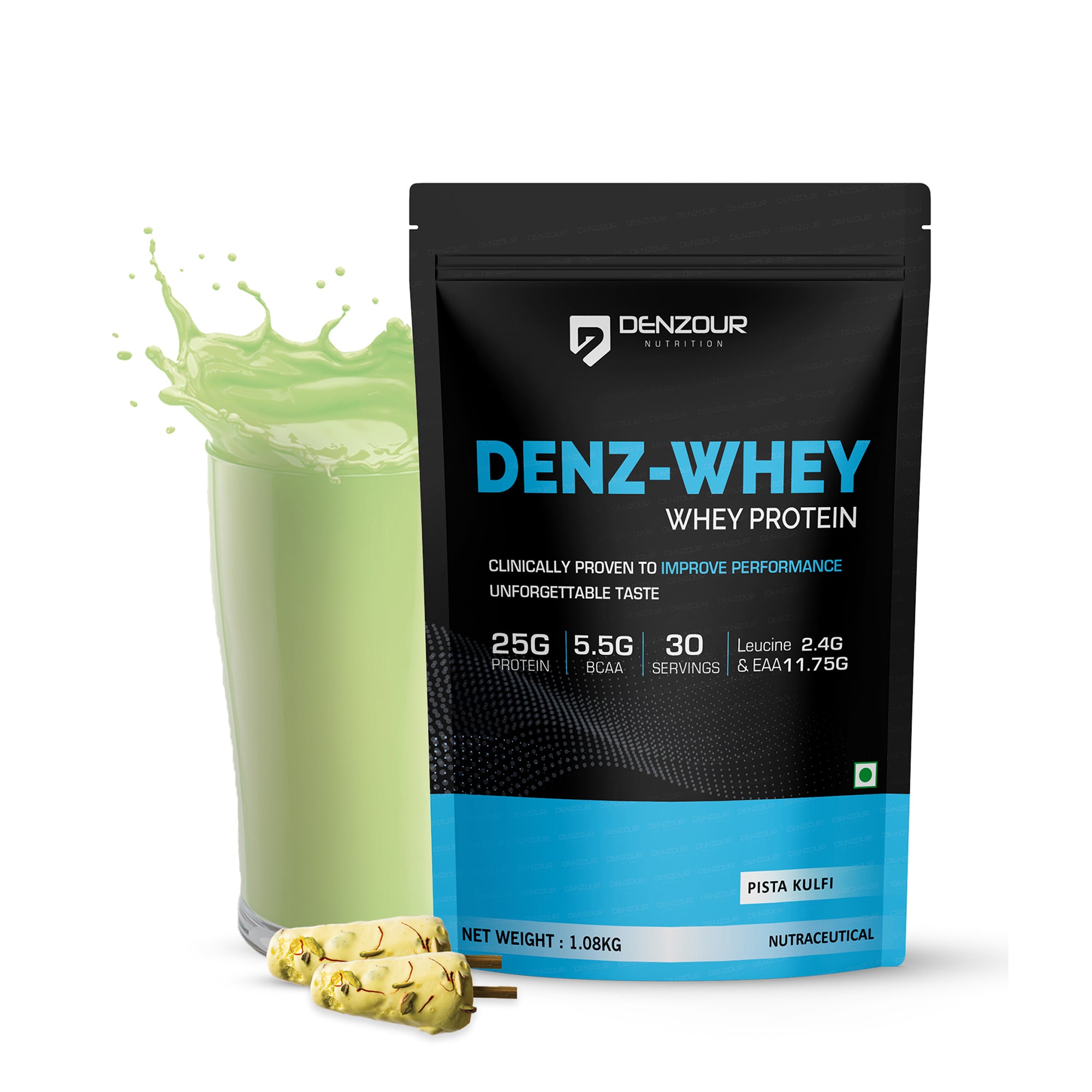
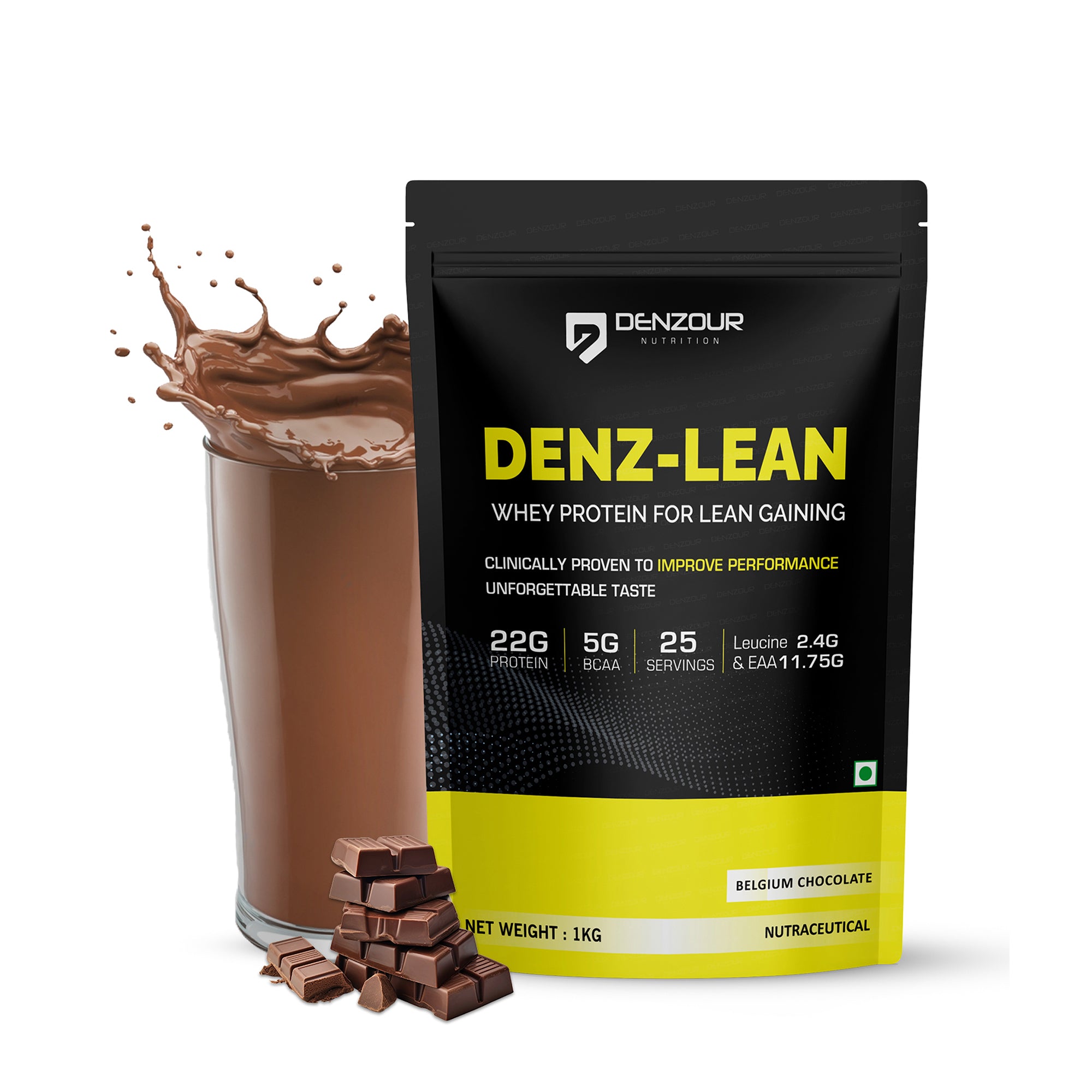
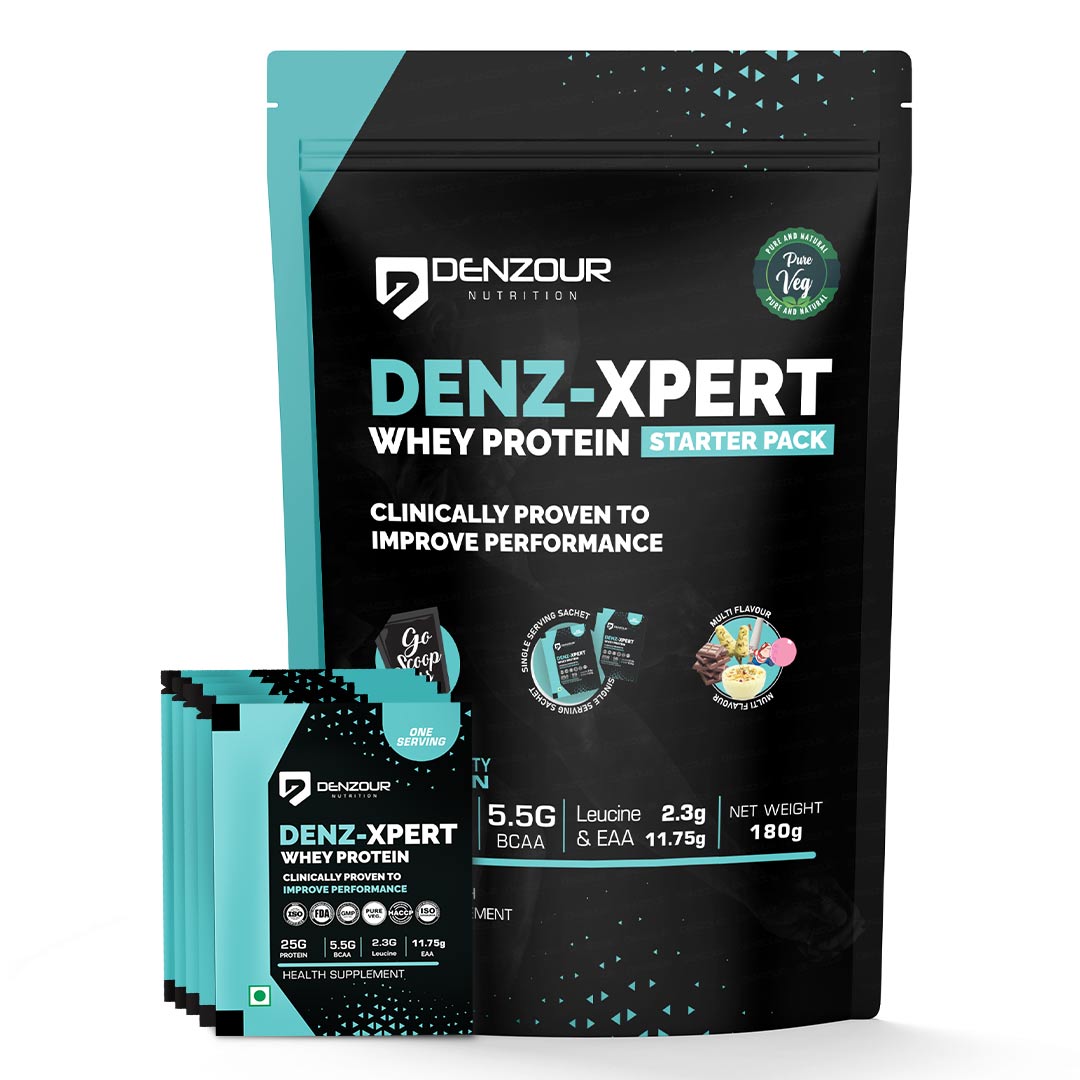
1. Denzour Nutrition – Denz Xpert Whey Protein Powder
Why it’s #1
-
Rating : ⭐⭐⭐⭐⭐ (4.8/5)

- 25g of protein per serving (36g scoop)
- Type : Whey Protein Concentrate + Whey Protein Isolate
- With 5.5g BCAA + 11.75g EAA per serving
- Vegetarian -made for muscle building + recovery
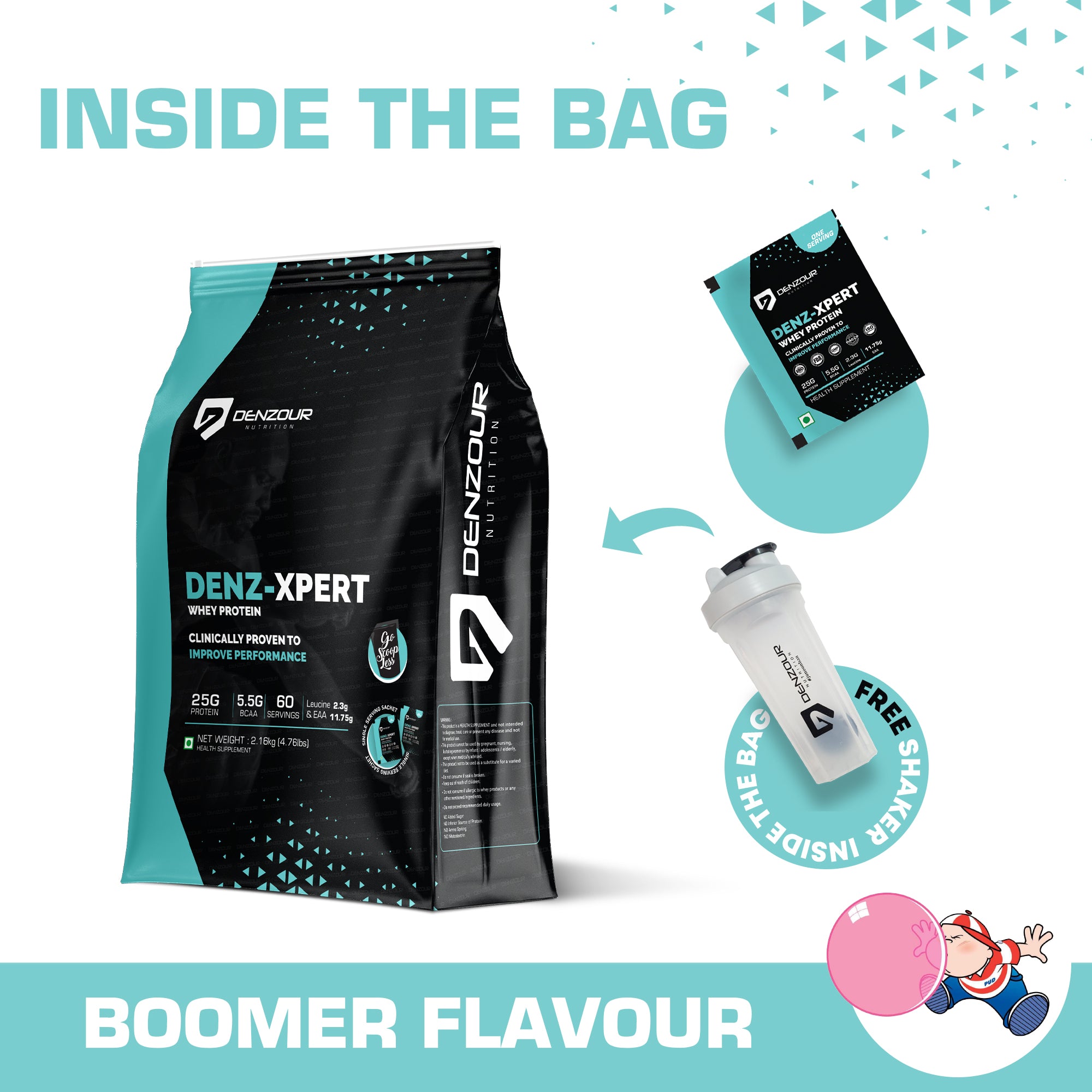
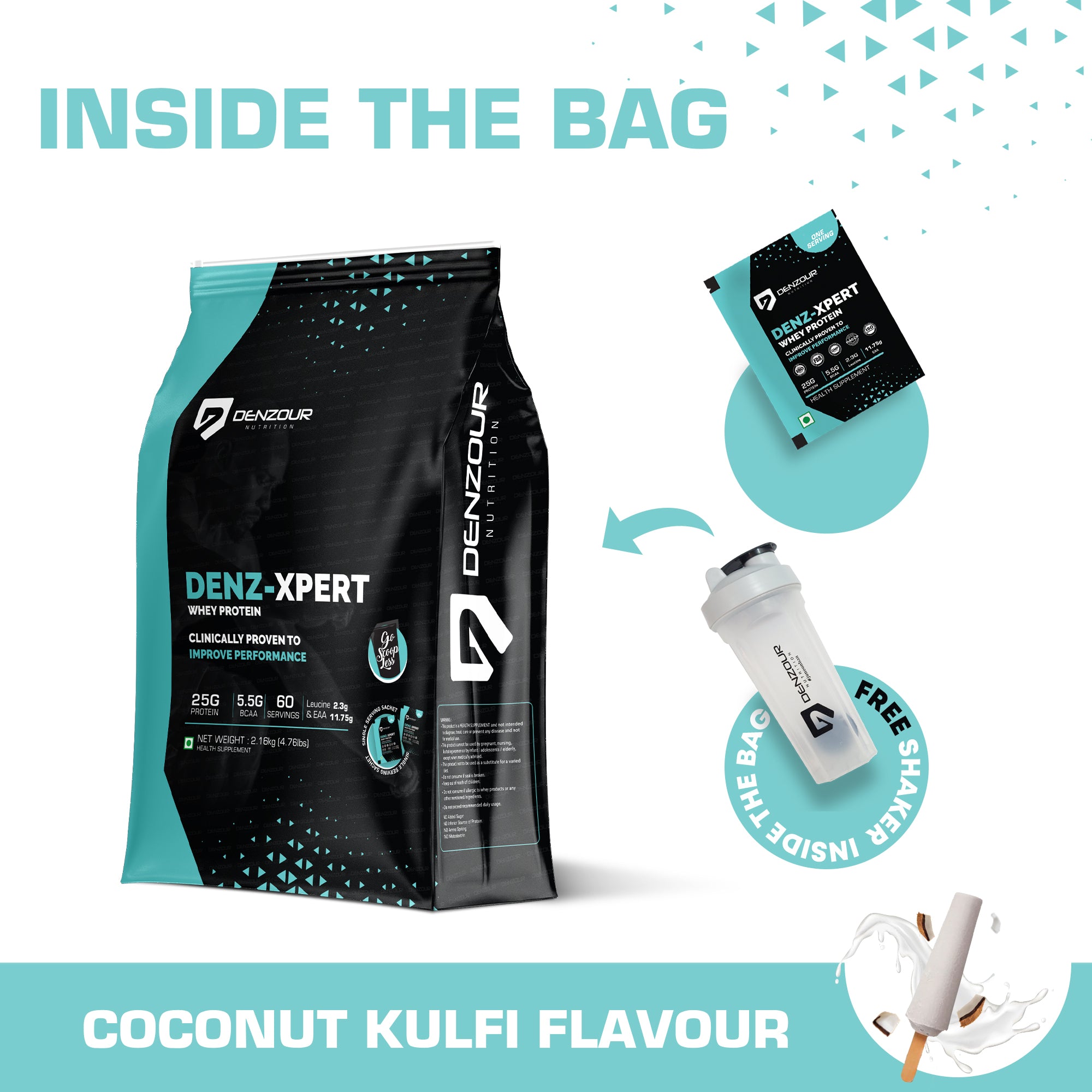
- India’s Favourite Flavours such as Belgium Chocolate, Pista Kulfi, Shahi Kheer
- Manufactured in a FSSAI approved unit having ISO 22000:2018, ISO 9001, HACCP and GMP certificates for quality assurance.

2. Optimum Nutrition (ON) Gold Standard 100% Whey
- Best for: Premium overall whey
- Why: Trusted global brand, good quality, a lot of taste options.
3. MuscleBlaze Biozyme Performance Whey
- Best for: Indian gym-goers (digestion-based positioning)
- Why: Big in India, powerful branding and readily available.
4. MyProtein Impact Whey Protein
- Best for: Value + variety
- Why: So many flavors, lots of international cred, great for everyday use.
5. Isopure Zero Carb (Whey Isolate)
- Best for: Lactose intolerant Individuals / Insanely “lean” macros
- Why: Isolation focused, lighter feel for most.
6. Dymatize ISO100 (Hydrolyzed/Isolate)
- Best for: Advanced and very fast digestion preference
- Why: High quality isolate-style product, great for cutting or sensitive stomachs.
7. Ultimate Nutrition Prostar 100% Whey
- Best for: Good balance of whey for everyday use
- Why: Good brand history, beginners to intermediate lifters use this bar all the time.
8. GNC Pro Performance 100% Whey
- Best for: Offline purchasers + brand recognition
- Why: Convince good availability in stores is an easy, no-brainer choice.
9. AS-IT-IS Nutrition Whey Concentrate
- Best for: Budget + unflavoured sessioners
- Why: Good for those who prefer plain whey concentrate and mix it themselves.
10. OZiva Plant Protein (or any good Pea+Rice blend)
- Best for: Veg/vegan users, or those avoiding dairy
- Why: A plant protein option for folks steering clear of whey.
How We Ranked These (Methodology)
We used the following criteria to rank the best protein powders/top sellers in India (2026): We focused on factors that directly impact results and safety to generate a shortlist of 10.
- Protein source match (Whey concentrate vs isolate vs plant blends)
- Every day usability (Taste, Mixability and Routine Consistency)
- Goal match (muscle building, recovery, cutting, digestion sensitivity, vegan)
- Ease of repurchase (availability and steady purchase)
- Trust signals (correct name, FSSAI details, batch/expiry info, verified sellers)
Disclosure (Important)
Our product (Denz Xpert Whey) is also in the list! The list is ranked by the above criteria and real-world fitness use-cases, not just brand recognition.
Quick Value Metric: Price per Gram of Protein
- Don’t just do the “price per kg.” Compare ₹ per gram of protein:
- ₹ per gram = Pack price ÷ (Total serve × grams of protein per serve)
- This reveals where you’re getting more real-world value.
How much protein do you need per day
The Indian ICMR-NIN 2020 recommendations for healthy adults set protein RDA at 0.83 g/kg/day (and state greater amounts are needed in some diets).
However, if you workout (gym,sport) it may be higher. The International Society of Sports Nutrition (ISSN) position stand outlines that active people typically have greater protein requirements than sedentary individuals, particularly when performing resistance training.
Evidence Snapshot (for clarity)
ICMR–NIN 2020 RDA for healthy adult is frequently quoted as 0.83 g protein/kg body weight/day.
The ISSN Position Stand (protein and exercise) states that “Many exercising individuals consume between 1.8 to 2.0 g/kg/day of protein [depending] upon their training phase, goals, habitual intake, and the source or sources from which the dietary protein is derived.”
Practical note: Exactly where you fall within this range will depend on training volume, body composition, and total calories provided to your body—use these ranges as a starting point to figure out what’s most sustainable for you, not as some kind of medical prescription.
Simple protein target
- Not training / general health: ~0.8-1.0 g/kg/day (most people find it hard to get this right)
- Gym / strength training: frequently 1.6 g/kg/day is a general practical goal for practitioners of sports nutrition (goal and BMI dependent).
Example: You are at 70kg and active, you probably want to go for something like 110g/day (including food + supplements).
Where protein powder fits
Protein powder is only a convenient tool to fill in the gaps. If you get enough protein on your diet, you don’t need it. If you don’t, a scoop can ensure that you stay consistent.
Whey vs Isolate vs Plant Protein: which is best in India?
1) Whey Protein Concentrate (WPC)
- Best for: general users, value shoppers, those with a normal” digestive system
- Usually cheaper than isolate
- May contain some lactose and fat
2) Whey Protein Isolate (WPI)
- Perfect for: those with lactose sensitivity, cutting/fat loss, “cleaner” macros
- Whey isolate is extra filtered so it often has more protein % and lower lactose than concentrate.
3) Hydrolyzed Whey
- Best for: Advanced users, ultra rapid digestion choice
- Processed, and often more expensive. Not necessary for most people.
4) Plant Protein (pea/rice/soy blends)
- Best for: vegetarians/vegans, dairy intolerance
- A good blend of plants can work, but taste + texture is inconsistent. A number of brands combine sources to increase amino acid completeness.
Best Protein Type by Goal
- Muscle gain/Strength training: Whey Blend or Whey Isolate (convenient for daily protein intake)
- Fat loss/cutting: Whey Isolate (leaner macros, generally easier to digest)
- A sensitive stomach / lactose intolerance: Whey Isolate or a tummy friendly whey.
- Beginners - value + results: Whey Blend (Concentrate + Isolate)
- Vegan/dairy-free: A plant protein blend (Pea + Rice is a great go-to)
The biggest problem in India: authenticity + transparency
- Too many fake listings: Same product name, different sellers → high chance of counterfeit / tampered packs.
- No proof per batch: Most brands do not publish their COA /lab reports so customers cannot access them to verify the protein content.
- False labels: “100% whey” somewhere with ambiguous blend or fillers, hidden or vague “protein matrix.”
- Not open test: Heavy metals/microbiology reports hardly made public.
- Seller Makes Matter More than Brand: Good brands can always be copied but from non-authorized sellers.
-
Lack of traceability: No batch no, mfg/expiry or manufacturer details reduces confidence.
- No system of authentication: Absence of QR/scratch card does not allow authenticity verification.
- Reviews may be faked: Ratings on their own are not trustworthy without some claims of authenticity/testing.
- Answer: Purchase from certified sellers + examine FSSAI, batch no., seal and COA/QR-tested reports
Authenticity Checklist (Use This Before You Buy)
- What to look for when buying a protein powder in India:
- Opt for official websites/ authorized sellers
- Look outer seal + inner seal (if available)
- Check batch number, production date, expiration date
- Check for FSSAI information on the product
- Keep away from adverts with too unrealistically reduced costs or perhaps an unclear seller traces
Ingredients that matter (and what to avoid)
What you want (generally)
- A clear whey (concentrate/isolate/blend) or a clear plant blend
- Enzymes if you tend to bloat (not necessary, but optional)
- Reasonable sweeteners (personal preference)
What to be careful with
- Hidden “protein blends” without percentages
- Filler-overload (part of it is maltodextrin, too much thickener)
- Claims that are in medical terminology (“cures,” “treats”)
Which protein should you buy?
- Beginner (general fitness): Buy a Whey Blend (Concentrate + Isolate) — best balance of value + results.
- If you have the goal of gaining muscle: I would get Whey Blend / Whey Isolate (High protein per scoop + easy to use daily).
- If cutting / fat loss: Get Whey Isolate (leaner macros, often easier on your stomach).
- If you experience bloating or have issues with lactose: Purchase Whey Isolate (less lactose) or a digestive-friendly formula.
- Vegan / Dairy Free: Buy a Plant Protein Blend (Pea + Rice or complete blend).
- If you’re strapped for cash: Whey Concentrate is the best ₹/gram option, but only from trusted sources.
- If taste is really important: Choose a brand and a flavor that you will truly drink every single day (consistency > perfection).
- If trust & safety is your priority: Choose a protein that includes FSSAI details + batch/QR verification + lab report/COA.
Best Protein Powder in India for Different Lifestyles
Not every buyer needs the same sort of protein powder. This is heavily based on the lifestyle when selecting a suitable product. A college kid who skips breakfast, the office worker who commutes 90 minutes one way, a beginner in the gym and an advanced lifter all use protein differently. Which is why one product may be the best for one person but not another.
For office workers, convenience is important. They typically require a protein powder that is highly digestible, easy to mix and helpful as either an at-breakfast supplement or evening aide when meals are becoming delayed. For students, affordability and daily usability take priority. They’re after a something that targets a more affordable budget but one still encouraging them to increase their protein without over-complicating the routine.
For those that go to the gym regularly, recovery and athletic training support is a key priority. They often require a post-workout protein that is both reliable and simple to incorporate on a daily basis. For those working to manage weight, a smoother and more satiating protein choice might be better because it can enhance satiety and increase overall protein intake.
This thinking, in fact, makes the purchase process more pragmatic. When the buyer begins to find the most effective, rather than pursuing the hottest product. The right protein powder should be in alignment with your routine, your diet pattern and your daily needs — not just your fitness goals.
How to Compare Protein Powder Value Instead of Just Price
One of the biggest mistakes buyers make is assessing protein powder based on price alone. It seems attractive to have a lower price, but input of the price alone doesn’t inform you whether the product is value for money or not. The better comparison is how much useful protein you are getting for what you pay.
Two foods can have different price tags, but if one meat meal delivers more usable protein per serving, better digestibility and a cleaner formula for less cash? A less expensive product may appear to be a deal, but if it contains less protein or weaker servings, it might actually cost more in the long run. That’s why good buyers don’t evaluate cost per tub, only effective serving.
Value is also related to how much the product supports your daily life. If a protein powder is so sweet that you give up using it after ten days, then it was never value. If it bothers him and goes unused in the kitchen, the lower price doesn’t matter. The true worth is a combination of nutrition quality, comfort, reliability and repeat use.
For supplement buyers in India, who are now becoming more aware and price-sensitive, value-based thinking becomes even significant. It distinguishes a smart purchase from an emotional one. Instead of asking, “Which is a cheaper protein? it is best to ask, “Which protein gives me the most nutrition and consistency for the money I pay?”
How to use protein powder for best results
- Start with your daily protein target first: Work out how much total protein you need to hit that day from food + supplements (do not only have powder).
- Use it to fill gaps: If you’re low on a food protein, take 1 scoop/day; if necessary, divide into 2 servings.
-
Best time to take it:
- Post-workout (easy habit + recovery)
- Breakfast (if you have no protein to go with your morning carbs)
- Between meals (to meet your goal)
-
How to prepare (better taste + digested):
- With water = less calories lighter
- With milk = more delicious, fattier
- In a smoothie (banana/oats/peanut butter) = perfect for gaining weight
- Begin small if you’re new: Begin with a ½ scoop for 2–3 days before moving to a full scoop, assuming digestion is okay.
- Stick with it: Daily use for 4‑8 weeks + fitness training = visible results.
- Don’t get carried away: Additional scoops don’t substitute for training, sleep and diet.
- Get plenty of water: Excreting more protein requires good hydration.
- Please store ingredients in airtight bag or container as soon as possible after use to avoid clumping and spoilage.
How to Choose the Best Protein Powder in India
To pick the best protein powder in India, start by matching the type of protein to your goals – a whey blend/concentrate will work just fine for most beginners and casual fitness goers, opt for a whey isolate if you’re looking for leaner macros and have lactose related digestive issues or use a pea + rice plant based blend supplement if you are vegan or avoid dairy. Next, read the label for amount of protein per serving (you’ll want a dose that feels substantial somewhere between 20 and 25g+ per scoop is a good target depending on scoop size), and look to see if the ingredients are stripped down rather than loaded with fillers if you’re sensitive to bloating.
Compare value in terms of cost per gram of protein (and not just price per kg), and buy only from verified sellers to minimize the risk of fakes look for FSSAI details, batch number, seal integrity and even a scannable code if possible. Lastly, choose a flavour and format that you will consume consistently (and by “best” I mean is the one you can digest well and use daily to reach your total protein requirements).
Why Protein Quality Matters More Than Just Brand Name
Many people search for the ideal protein powder in India buy on the basis of popular brands, big athlete endorsements or huge discounts. But brand names are less significant than quality of protein. Outside may seem premium, but what counts is what you get in each serve. A good protein powder should aid in muscle recovery, help you hit your daily intake of protein and integrate seamlessly into your routine. That, though, only occurs when the quality is there.
Protein quality is a matter of how well the body can utilize the protein, what the amino acid profile looks like (more on that below), and whether the product provides a good dose of protein without too many extras. While many buyers focus solely on tub size or flavour, a better approach is to look for a product that offers meaningful nutrition with every scoop. The relevance of this statement extends specifically to people in India that rely heavily on food to maintain health while managing work, training, family life and budget constraints.
There should be no confusion with a good protein powder. It should simplify your nutrition. As long as a product aids recovery from training, keeps you fuller for longer and helps you achieve your daily protein target, it is doing its job. In other words, the best protein powder isn’t one with a loud marketing campaign. The one that provides clean, reliable, and useful nutrition every day.
Understanding the Protein-to-Serving Ratio Before You Buy
The protein-to-serving ratio is one of the cleverest ways to compare protein powders. This involves assessing how much real protein you’re getting in a single serving relative to the full scoop size. Buyers look at a 35-gram scoop and see the word high protein, but that is not always the case. A larger scoop doesn’t always equal a superior product.
So one powder may yield 24 grams of protein in a 30-gram serving, while another will yield 22 grams of protein in a 36-gram serving. If you only consider the scoop, neither may appear too different on paper. Although the first product has a higher density of protein. This matters because a lower ratio typically means you are paying for protein — not extra fillers, flavouring systems or added ingredients that won’t really help improve results.
It’s even more helpful if you compare protein/100 grams. That provides a cleaner side-by-side comparison across brands. It cuts through the confusion due to different scoop sizes. Buyers who know this simple technique can make better decisions and get a better deal on their purchase.
If your aim is muscle recovery, strength training support or simply upping your daily protein intake, the protein-to-serving ratio should be one of the first things you look for. It tells a better story about product quality than flashy labels or oversized packaging.
The Role of Digestibility in Choosing the Best Protein Powder
A protein powder is only beneficial if your body processes it well. While digestibility is oftentimes overlooked when contrasting protein powders, it is one of the most important elements that affects long-term use. A supplement can have great numbers on the label, but if it makes you feel heavy, bloated or uncomfortable and you end up avoiding taking it regularly, it’s simply not right for you.
Protein powders are not digested the same way by different people. Some do great with regular whey concentrate; others find a whey isolate or lighter formulas work better for them. Digestibility may also be influenced by how the product is flavoured, what sweeteners are used and the impressions that smooth or heavy feel on mixing. If you have a sensitive stomach, you quickly learn that the wrong protein powder is usually the factor standing between you and consistent use.
That is why the best protein powder for you in India will never be just about protein. It is also about how they feel after drinking it. A product that blends nicely, feels lightweight in daily use and becomes easier to wield with each passing day often yields better results in the real world than a product that only looks good on paper.
If you’re purchasing protein for regular daily use, digestive ease should be considered something of significance, not insignificance. Consistency matters more than hype. When a powder works well for your specific body, it also tends to be much easier to take post workouts, between meals or on busy days without second-guessing.
Common Questions People Ask Before Buying
1) Should I choose whey or isolate?
If you process whey concentrate fine and like value, take a whey concentrate/blend. If you prefer leaner macros, or find that you are feeling bloated a lot of the time, give isolate a go.
2) Is more scoops always better?
Not so much No. All that matters is the total daily protein + training + sleep thing. Whey, when consumed in quantity or as a meal replacement, should fill gaps rather than replace food.
3) What matters more: brand or seller?
In India, the seller is as important as the brand because there are counterfeit/tampered listings. Always prefer verified sellers.
Common Mistakes People Make When Buying Protein Powder
People want to benefit from protein powder but they make some dumb mistakes when making their choice of type. The first is a mistake which many of the buyers do, that is to purchase based on marketing. Influencer promotions, dramatic claims and striking packaging can make a product seem enticing, but they’re no substitute for careful comparison. Buyers can really help themselves by always checking nutrition details instead of relying on just visual branding.
The second mistake is selecting the product that does not suit personal needs. There are people who get fancy or boxy look formulas even when a plain and steady would do better for them. Others opt for a dirt-cheap product without discerning if the true protein content is sufficient. Each choice can result in disappointment.
A third mistake is thinking of protein powder as a shortcut. Protein powder is helpful, but it complements a diet — it doesn’t build discipline and good meals, sleep or consistent training. People who view it as a complete solution frequently blame the product when things aren’t moving quickly enough. Protein, after all, stands for something much more lofty — and also works best when integrated into a seamless lifestyle.
Finally, the last big mistake is overlooking routine. A product can be aesthetically pleasing but if it does not align with your taste preference, mixing habit, digestion or budget you will lose interest. The best protein powder is the one you can stand to keep using. That’s where real progress begins.
How to Spot a More Reliable Protein Powder Brand
In an overcrowded supplement market with much competition, reliability is key as well as nutrition. A reputable protein powder brand typically instills consumer confidence through transparency. Honest labelling, straightforward ingredient lists, sensible serving information and realistic product claims all contribute to trust. Buyers should sense that the brand is educating them, rather than simply trying to show off and boast.
Reputable brands typically render it more easily comprehensible what is in a given product. They do not shelter in vague language. They simplify serving size, protein amount, and product positioning. This makes it easier for buyers to compare and not get confused. A brand that speaks plainly also usually has better product discipline.
Another indication of reliability is if the product feels consistent over time. For buyers, stability in flavour, mixing impact and overall quality are crucial. There should not be any uncertainty while making an order after the purchase of protein powder from a good protein powder brand. Consistency = Trust, and trust leads to repeat purchase behaviour.
Lastly, the market having expanded at such a rapid pace, brand reliability is becoming an even important choice factor for Indian consumers. Now, there are more options than ever, which means there is also more noise. That’s why buyers need to pay attention to how a product is presented honestly and clearly. Often the most trustworthy product is not the one that makes the boldest statements. It is the one that seems most transparent.
Why Long-Term Consistency Is the Real Test of a Good Protein Powder
Determining the true value of a protein powder isn't something you do on Day 1. It is a decision made after weeks and months of daily use. Even after the thrill of acquiring it wears off, a good product should still feel easy to use. And this is where the true test of long-term consistency comes in.
People buy protein with good intent but give up soon after because the product doesn’t suit their lifestyle. Sometimes the flavour becomes tiring. At times, the drink feels like too much. If the product is too pricey to buy on regular basis. When that happens, the supplement no longer works, however good it seemed when you signed up.
And since consistency is key, a protein powder should be convenient. It should integrate easily, feel doable on a day-to-day basis and fit comfortably in your budget. Train on training days, rest days. It shouldn’t be a complicated step that works only in the most ideal of scenarios. It should feel like an easy nutrition tool that you can lean on day to day.
That is especially true for people trying to make incremental changes to become healthier. It takes more than a week to build muscle support, improve recovery and have strong daily protein intake. They come from consistent habits. The best protein powder in India is the one that continue working for you month after month. That is what makes in real life a truly effective product.
Key Takeaways
- Most gym-goers that want an easy choice…whey blend every time (buildings on value x results x consistency).
- If you are lactose intolerant or just cutting whey isolate might be more suitable.
- In India, brand name is as critical as authenticity and seller verification.
- The true secret is sticking to the plan: hit your daily protein goal and exercise regularly.
Conclusion
Selecting the best protein powder in India is not buying some hyped product rather picking a protein as per your goal, digestion and from dependable source. Concentrate on clear labels, trusted sellers and transparent testing, so you know that what you are getting is the real deal.
Once you find the right formula, it’s consistency that makes it work hit your daily protein goal, work out consistently and use protein powder as a convenient supplement, not an all-time substitute. The sound choice will save your wallet and digestion from waste, not to mention saving you from the dreadful pace of stagnation—buy clean sources of protein that are consistent enough for real long-term progress.
Ready to choose the right protein?
If you’re looking for a reliable choice of protein to support your muscle gains, recovery or just daily protein intake - have a look at all our protein products here:


