























Black coffee means a coffee without milk + sugar. Since it is almost calorie-free, people who like to have the taste + caffeine without a bunch of extra stuff generally prefer it. Hospital, health references and are fond of spotlighting black coffee for its beneficial antioxidants, ability to increase mental alertness and provide metabolism/weight-management support—but they all emphasize “moderation” to prevent side effects including insomnia, acidity or jitters.
What is Black Coffee?
Black coffee is prepared by brewing hot water and coffee grounds instant or ground beans together without the addition of sugar, milk, cream or added flavors. It tastes bold and strong, is naturally super low in calories because it’s mostly water with a touch of coffee compounds. It also includes caffeine (for alertness and focus) and antioxidants in coffee.
Nutritional Facts of Black Coffee (Plain, Unsweetened)
Black #Coffee = Black Coffee is brewed coffee & water (no milk/sugar). It’s pretty much devoid of nutrition, which is why it’s a low-calorie beverage.
Per 1 cup (about 240 ml) black coffee
- Calories: ~2–3 kcal in per 1 cup (around 240 ml) of black coffee
- Protein: ~0.3 grams per 1 cup (about 240 ml) of black coffee
- Carbs: ~0 g in 1 cup black coffee (approx 240 ml)
- Sugar: 0 grams in a single cup (approximately 240 milliliters) of black coffee
- Fat: 0g per 1 cup (about 240 ml) black coffee
- Cholesterol: 0 mg in per 1 cup (around 240 ml) of black coffee
- Sodium: ~5 mg per 1 cup (approx 240 ml) of black coffee
- Potassium: ~110–120 mg per 1 cup (240 ml) black coffee
- Caffeine: ~80–100 mg in 1 cup (240 ml) black coffee (depending on type and how strong it is)
What changes the nutrition quickly?
If you add:
- 1 tsp sugar → ~16 kcal
- 100 ml of milk > calories, carbs, protein to the upsorting
- 1 tbsp ghee/butter = ~100+ kcal more
Health Benefits of Black Coffee (Top 10)
Black coffee (coffee + water, no milk/sugar) is a hit because it’s low calorie and naturally contains caffeine along with plant antioxidants. When consumed in moderation, it may help with energy and focus, improve workout performance and be associated with beneficial long-term health outcomes in multiple studies.

Image Source: freepik.com
1) Gives quick energy
Black coffee is the power-horse of all as it can make you feel more awake and alive. The caffeine in coffee acts like a “wake-up signal” for your brain, leaving some people feeling less sleepy after a cup. This can be particularly useful on hectic mornings, a long work day or for giving you a little nudge to get going. Black coffee is a straightforward choice as well, because drinking it black doesn’t tack on extra calories. Just keep in mind: The response will vary for everyone. Half a cup is enough for some to feel hyped, while others need more. If you have consumed a lot, you’re likely to be jittery or restless. Just don’t consume it in large quantities, or just before bedtime.
2) Improves focus
It may even help you focus, which can be helpful if you’re trying to work, study, or pay bills. Some people find they can keep focused on one thing for longer, and are more alert after coffee. This is largely because caffeine lowers the perception of fatigue, making your mind feel sharper. It can work serving the office, meetings, long drives or study classes. But coffee isn’t a substitute for sleep quality. If you rely on coffee every day to “fix” sleep, you might still feel tired later and your focus could deteriorate. And caffeine in excess can have the opposite effect, making you jittery or unfocused. A good way to enter into this is to begin with 1 cup and see how your body reacts.
3) Supports workout performance
Black coffee is a popular pre-gym caffeine fix because it helps boost energy and stamina for training. You could also find that you have more stamina, are more motivated to move and can support your fitness routine. Black coffee is also light, anyway, so it might not fill up your stomach like heavy milk coffee does and some people may feel that it’s easier to drink. A general rule is to take the caffeine 30–45 minutes pre-exercise. Though it isn’t for everyone. You'll feel a faster heartbeat and perhaps also peculiar when sensitive to caffeine. If that applies to you, cut the quantity or eliminate it just before running. And don’t use coffee to skip meals — your body still needs real food and fluids for optimal performance.
4) Very low in calories
A black coffee is one of the most diet-friendly drinks you can order. When you take it without sugar, milk, cream or syrups, it remains nearly calorie-free. That’s why it’s one of people’s favorite diets to be a part of. The primary advantage here is simple: You get the flavors and caffeine without adding additional calories to your day. But once you start adding sugar or milk, calories shoot up fast. Many people believe they are drinking “coffee,” but their cup becomes as a sweet draught. If weight management is your goal, keep it black or flavor it with no-calorie condiments like cinnamon. If you must make it sweeter, wean yourself off sugar gradually: Your taste buds will adjust.
5) May help with weight loss goals
Black coffee might help with weight loss in two ways that are very practical: it contains few calories, and it can stimulate the desire to eat in some people for a short time. A lot of people opt for it over, high-calorie beverages such as sugary tea, cold coffee or aerated drinks. And some people simply feel more energized after a cup of coffee, and hence move more, which could help support calorie burn. But coffee isn't enough to lose weight. Weight loss occurs when on balance over the days, weeks and months, you’re eating in overall calorie deficit and your diet follows a balanced pattern. And if coffee ends up making you feel hungry a short while later, it might not do much good. The best way to consume it is straightforward: If you drink black coffee and don’t add sugar or a creamy syrup, then consider caffeine as just an occasional bit of support — not the main plan.
6) Contains antioxidants
Unsweetened black coffee with no added ingredients contains natural plant compounds called polyphenols, which act as antioxidants. In plain language, antioxidants assist your body in coping with the wear and tear caused by free radicals through everyday life, such as pollution or normal bodily processes. This is one reason coffee comes up a lot in health conversations. You’re not supposed to “feel” antioxidants doing their job—these are long-term support nutrients. But please note: There’s no medication quality to coffee. You still need food to be healthy — your fruits and vegetables and good protein and water. And how you prepare your coffee matters too. Add too much sugar and the drink isn’t daily-usable healthful. One nice way is 1–2 cups per day doing it plain and along with a healthy diet. If coffee leads to acidity for you, opt for lighter strength or drink after a meal.
7) May support liver health
Coffee shows up again and again as a beneficial balm to liver health in numerous studies, this is one of the most common coffee benefits discussed. The liver is a vital organ that aids the body in cleaning itself and helps it to digest and metabolize. Sipping black coffee in moderation may be a useful habit for most of us to incorporate into our health and longevity lifestyle. But it’s important to be clear on the distinction: Coffee can support liver health, but that does not translate into a “cure” for liver problems. People who already have liver disease, however, should follow the advice of their doctor first. And it’s worth adding that booze, smoking and sugary foods can harm the health of your liver far more than coffee can help. So the real benefit lies in drinking coffee as part of a generally healthier set of daily behaviors.
8) May support heart health (in moderation)
For many people, moderate coffee consumption can be part of a heart-healthy lifestyle. Some studies tie coffee consumption to a reduced risk of certain heart problems, but the key word is “moderation.” Drinking too much coffee has negative effects on health: The risk of high anxiety, lack of sleep and a fast heartbeat can indirectly impact the heart. Those with blood pressure issues or heart rhythm problems should be especially careful and consult a doctor if necessary. The ideal is probably to keep the coffee simple (no sugar, no heavy cream), and you should probably consume it in moderate quantities that are reasonable for someone who isn’t a small child, say 1–2 cups for most folks. And don’t drink coffee late at night, as bad sleep can increase stress and appetite the next day.
9) May lower the risk of type 2 diabetes (in research)
It is well documented in many studies that people who drink coffee regularly, particularly those who consume several cups a day, are less likely to develop type 2 diabetes. That is not to say black coffee will spare everyone from diabetes, and it doesn’t cure diabetes. Risk for diabetes is influenced by a pleothora of things including your body weight, physical activity each day, what you eat, how much sleep you get and your family history. But black coffee can be a smart beverage choice if you are trying to lose weight because it’s free of calories and sugar. The plus is greater if coffee replaces sugary drinks. If you already have diabetes, black coffee is typically better for you than sweetened coffee, but keep an eye on the caffeine content and how your body responds. Some people find coffee affects their hunger or stress, so use accordingly.
10) May support brain health as you age
Black coffee could potentially support brain health as you age, and some studies associate drinking coffee with a lower risk of several problems that affect the brain as people grow older. Indeed, in daily life we experience coffee as a means to aid alertness and mood, which in turn can help us work and function better. Even so, long-term brain health is predicated on larger factors like good sleep, exercise and stress control, as well as a healthy diet. Coffee can be a small good habit, but not the whole answer. Also, too much coffee can disrupt sleep, and sleep is absolutely critical for brain recovery. So if you like coffee for brain support, go moderate, earlier in the day, and don’t make it a sugar-carb meal in a cup.
Black Coffee Side Effects
Black coffee is safe for most people, but it’s not free of side effects and potential hazards if you drink it in excessive amounts, on an empty stomach or loaded with extravagant amounts of sugar.
Common side effects
- Acidity / Heartburn: For some coffee can make the stomach ultra-sensitive, particularly if there’s nothing much going on in there.
- Jitters / shaking: You might feel jittery or shaky if you have too much caffeine.
- Anxiety / Nervousness: If you are sensitive to caffeine, coffee can make feelings of nervousness worse.
- Rapid pulse / palpitations: Despite conditions being generally similar, some have reported a noticeably rapid pounding of the heart after ingesting it.
- Sleep problems (insomnia): Drinking coffee late in the day can lead to sleep disturbances and make it difficult to fall asleep.
- Headache (or withdrawal from caffeine): If you drink coffee every day and then suddenly stop, headaches can occur.
- Frequent urination: Coffee can make you go, especially if you chug a few cups.
- Dehydration risk (slight): “That doesn’t be very extreme for most people, but it would still encourage lots of water,” he said.
- Upset stomach/nausea: Heavy coffee or coffee on an empty stomach can lead to a bad time.
- Elevated blood pressure (short-term): Caffeine can cause heart rate to surge temporarily.
Who should be extra careful
- Individuals with acid reflux/GERD, gastritis, or a sensitive stomach
- Those with anxiety, panic issues, or sleep disorders
- Individuals who have heart rhythm problems or uncontrolled high BP
- Pregnant/breastfeeding (speak to your doctor about the recommended caffeine limit)
How to reduce side effects (easy fixes)
- Do not drink it on an empty stomach (drink after breakfast)
- If you’re sensitive, cut back to 1–2 cups/day
- Stop drinking coffee after 4–5 PM (or earlier if it affects your sleep)
- Make it weaker (more water / less coffee powder).
- Drink water alongside coffee
When to stop and get medical advice
If you ever experience severe palpitations, chest pain, extreme anxiety, dizziness or ongoing heartburn from coffee consumption, quit coffee and consult a doctor.
Black coffee vs milk coffee
1) Calories (biggest difference)
- Black coffee: Practically zero calories (if you use sugarless).
- Milk coffee: Caloric highs because of fats + carbs + proteins contributed by milk (and sugar contributes yet more).
2) Taste
- Black: Strong, bitter and unmmmistakably bold.
- Milk coffee: Creamy, less bitter, more mellow.
3) Nutrition
- Black coffee: Empty calories (mostly water + caffeine + antioxidants).
- Milk coffee: Healthier as milk adds protein + calcium (but more calories as well).
4) For weight loss
- No sugar: Usually the better option for weight loss because it’s lower calorie.
- Milk coffee: Still acceptable according to the diet gurus but beware portion size – and, of course, sugar.
5) For gym/workout
- Black coffee: Decent as a light pre-workout pick-me-up, energy booster.
- Milk coffee: Can be heavier-feeling; good for those looking for something more substantial.
6) Stomach sensitivity
- Black coffee: May lead to acidity in few (especially on empty stomach).
- Milk coffee: While its fat content could help mitigate bitter flavors, milk does cause bloating in some individuals who are lactose intolerant.
Which one should you choose?
- Opt for black coffee if you're aiming for fat loss, low calories and fast energy.
- If you want a more mellow (and nutritious) taste and can control the calories, opt for milk coffee.
Black Coffee with Ghee Benefits
Black coffee with ghee entails adding a dash of ghee to black plain coffee and blending. People drink it to feel full or energized and for that “creamy” taste without milk.
Benefits of black coffee with ghee
1. Keeps you full for longer
When in a pinch, ghee does also offer healthy fats that you might feel keep hunger at bay for a few hours. This can be an aid to some people in cutting down on snacking.
2. Gives steady energy
Coffee provides a jolt of fast energy because of the caffeine, while ghee fats might feel to some like longer-lasting energy.
3. Helpful for keto/low-carb diet
If you follow a low-carb or keto lifestyle, ghee coffee can work well on this way of eating since it provides fat but almost zero carbs.
4. No milk, so better for lactose-sensitive people
Ghee is clarified, which means it has the milk solids in it nearly eliminated. SOME people who find themselves getting good bloating from milk can withstand ghee improved.
5. Supports morning routine
And, a lot of people enjoy it as a morning drink, finishing feeling more full than with regular black coffee.
Important note (very important for weight loss)
Ghee is high in calories. Too much (you need to find a balance; it varies for everyone) can actually slow weight loss.
- Best quantity: begin with 1 teaspoon ghee (not 1 tablespoon)
Who should avoid or limit it
- Small amounts or avoid if you have a high cholesterol, fat digestion problems or acidity.
- If ghee coffee makes your stomach upset, stop and try plain black coffee instead
Black Coffee for Weight Loss
Black coffee may help you lose weight by increasing how many calories you can burn; black coffee has an overarching ability to help decrease your overall calorie intake, due to the fact that it’s void of additives. But remember — black coffee is not some magic fat burner. You still drop pounds based on your overall diet, daily calories and physical activity.
How black coffee helps in weight loss
- Low calorie drink: A substitute for high calorie drinks like sweet tea, cold coffee, soda and sugar coffee.
- Increases energy: You might feel more energetic, which can help you be more physically active and exercise better.
- May decrease hunger: Some individuals experience a reduction in their cravings, after drinking coffee (not everyone).
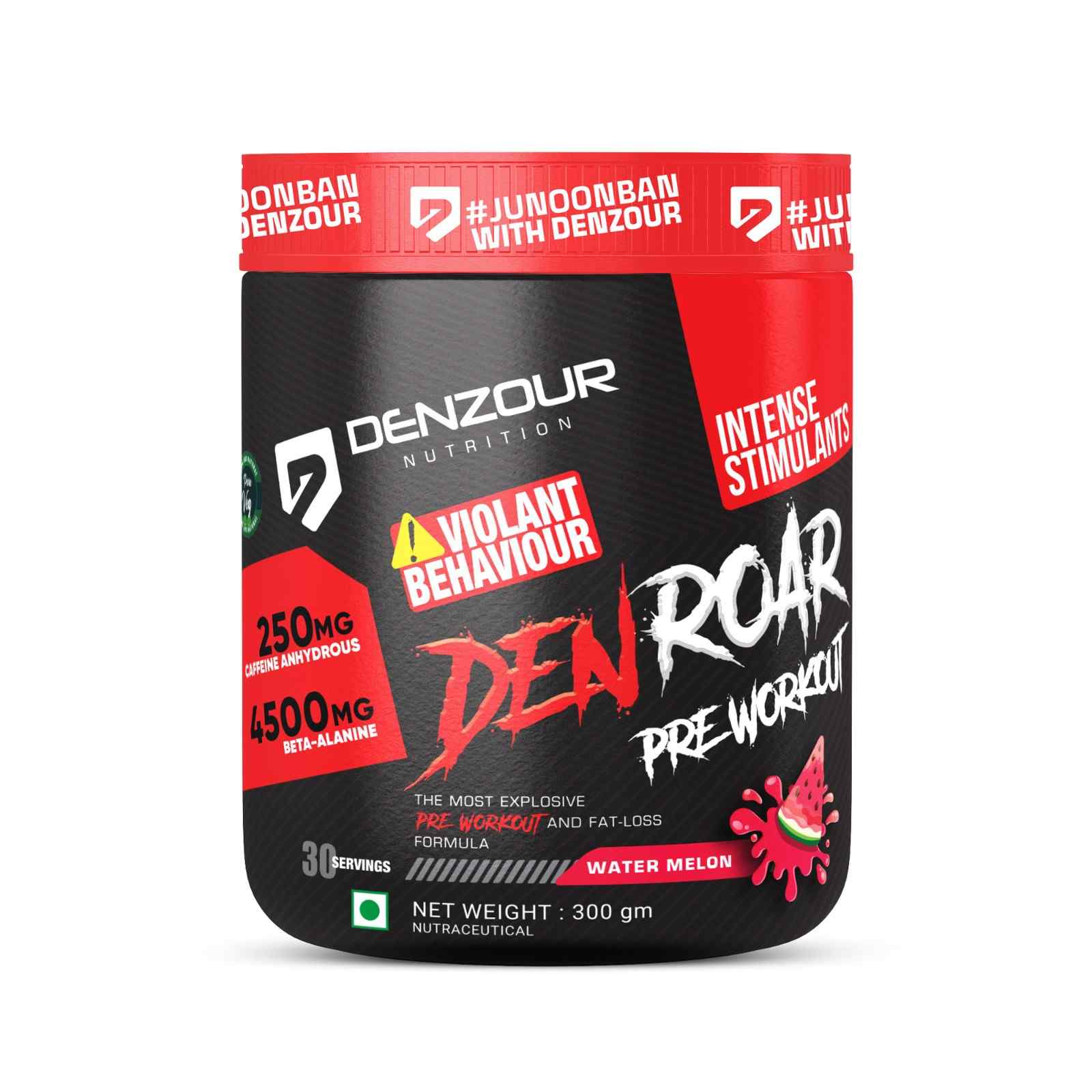
“For high-intensity ‘get-up-and-go’ workouts, you can also test out Bee HP Pre-Workout (has caffeine — don’t stack with your multiple cups of black coffee).

Best time to drink black coffee for weight loss
- Morning: Support for starting the day with energy
- Pre-workout (30–45 minutes beforehand): May help aid overall workout performance
- Stay away from late evening: it can interfere with sleep, and poor sleep causes hunger the next day
How to drink it for best results
- Go black (no sugar, no cream)
- Add cinnamon or cardamom, to taste, if desired
- Consume 1 – 2 cups daily (if you have a low tolerance to caffeine, begin with 1 cup)
Mistakes to avoid
- Pouring sugar/milk every time (this adds up the calories really quick)
- Too much drinking (jitters, acidity, sleep issues)
- Replacing meals with coffee (may lead to overeating later)
Quick tip
If you get acidity on an empty stomach, drink black coffee after breakfast, not before.
Black Coffee Calories
If you drink your black coffee with no sugar and no milk/cream, no added syrups… it’s extremely low in calories — like almost zero. One cup them (around 240 ml) amount for ~2–3 calories.
Why black coffee is low-calorie
Black coffee is mostly water. There’s a small trace of protein and micronutrients, but no significant carbs or fat unless you add something.
Calories in black coffee (approx.)
- 1 brewed cup (240 ml) of black coffee: ~2–3 calories
- 1 small cup (around 150 ml): ~1-2 calories
- 1 medium cup (about 180 ml): ~2 calories
Why calories increase quickly
If you add:
- 1 tsp sugar: ~16 calories
- 100 ml milk: +calories (depends on milk)
- 1 tbsp ghee/butter: 100+ calories
1 cup black coffee calories
The most common response is “1 cup,” although the size of a cup varies:
- Please note that international standard cup is around ~240ml.
- A lot of Indian cups are ~150-180 ml
According to USDA's standard nutrition reference, 240 ml brewed black coffee ≈ 2.4 calories.
So approximately:
150 ml black coffee → ~1.5 cal (estimate)
180 ml black coffee → ~1.8 calories (roughly)
1 cup (240 ml) black coffee → ~2.4 calories
Note: These numbers above are accurate for plain black coffee – no sugar, no milk, and certainly no ghee.
How much is too much?
For the majority of healthy adults, black coffee becomes “too much” when side effects like acidity, jitters, anxiety, fast heartbeat or poor sleep set in. A typical safe range is between 400–800 mg of caffeine per day, or 3–4 cups (240 mL) of coffee or up to about 7 cups if the coffee is weaker. Even 1–2 cups may seem like too much if you’re sensitive to caffeine. If you feel its affects on your sleep, then you should not drink any coffee later than in the early afternoon (3–4 PM). People who are pregnant or breastfeeding should follow a lower caffeine limit recommended by their doctor.
Who should be extra careful (important safety note)
- People with acid reflux/GERD
- Anxious or sleep-disordered individuals
- Individuals with heart rhythm problems (ask a healthcare professional)
- If you’re pregnant or breastfeeding, talk to your doctor about a safe amount of caffeine to consume.
How to reduce side effects (practical fixes)
- If you have an acidity problem, avoid drinking black coffee on an empty stomach
- Keep it to morning/early afternoon
- 1 if you get jittery, drop to 1 cup/day for a week
- Slay the energy drinks/pre-workouts/colas.
Conclusion
Black coffee is one of the easiest drinks to fill your cup with—it’s negligible in calories (about 2–3 per cup, when it’s plain), and full of coffee-cup antioxidants. If weight loss is your goal: Black coffee can help because as a swap it will save you zero sugars and calories, plus it can be supportive to focus and workout performance when consumed in the right timing.
However, results are based on how you drink it. Keep it real black (no sugar/cream), and don’t overdo the caffeine game — besides jitters, too much coffee can lead to acidity, anxiety and sleep issues. If you opt for black coffee with ghee, just keep in mind that it is a caloric beverage and should be consumed as such, so there’s the possibility of some satisfaction potential being met but doesn’t make sense if your main goal is being in a deficit.
Best approach: 1–2 cups/day earlier in the day and tailor to your tolerance. It is the consistency of diet+ activity that matters rather than any one drink.


