

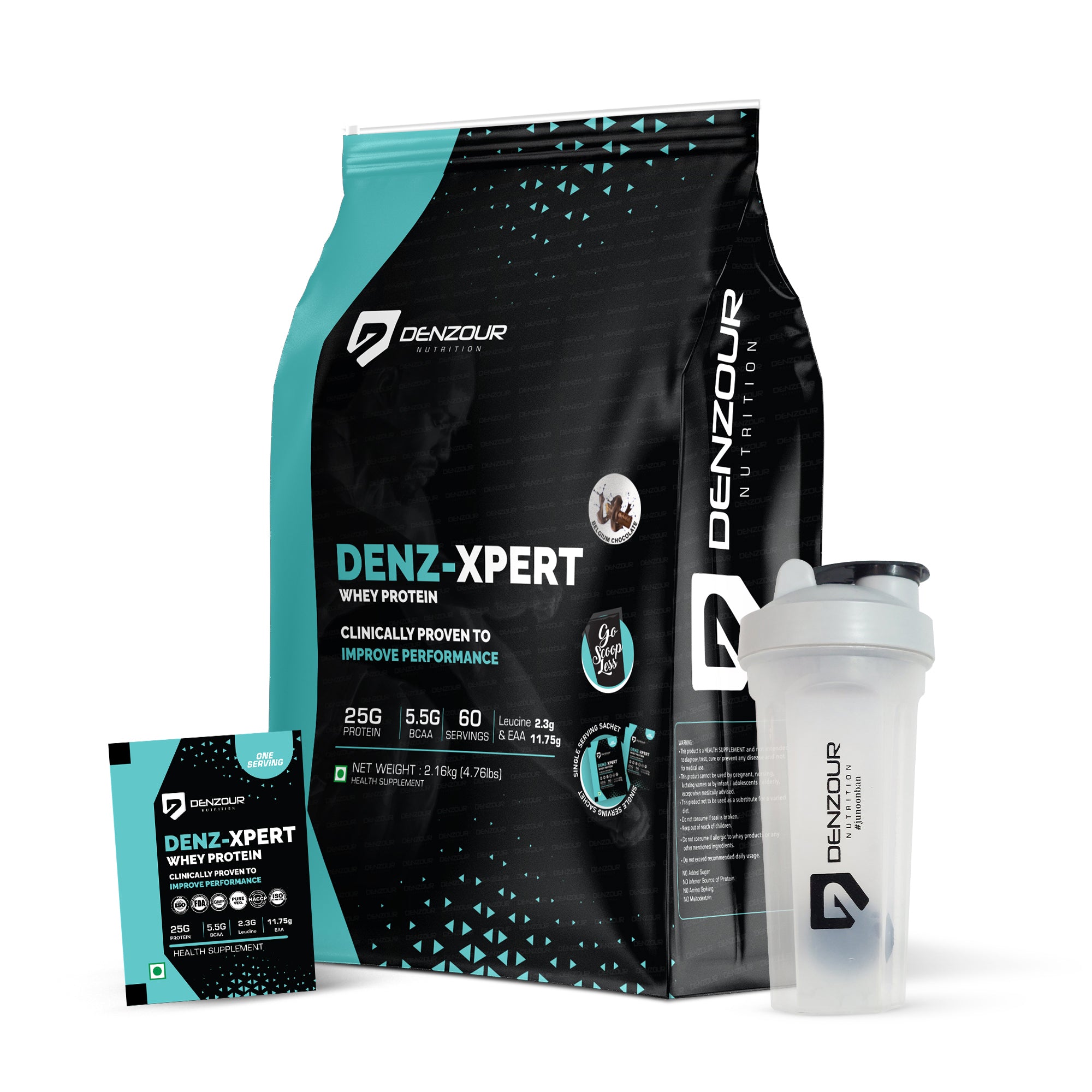
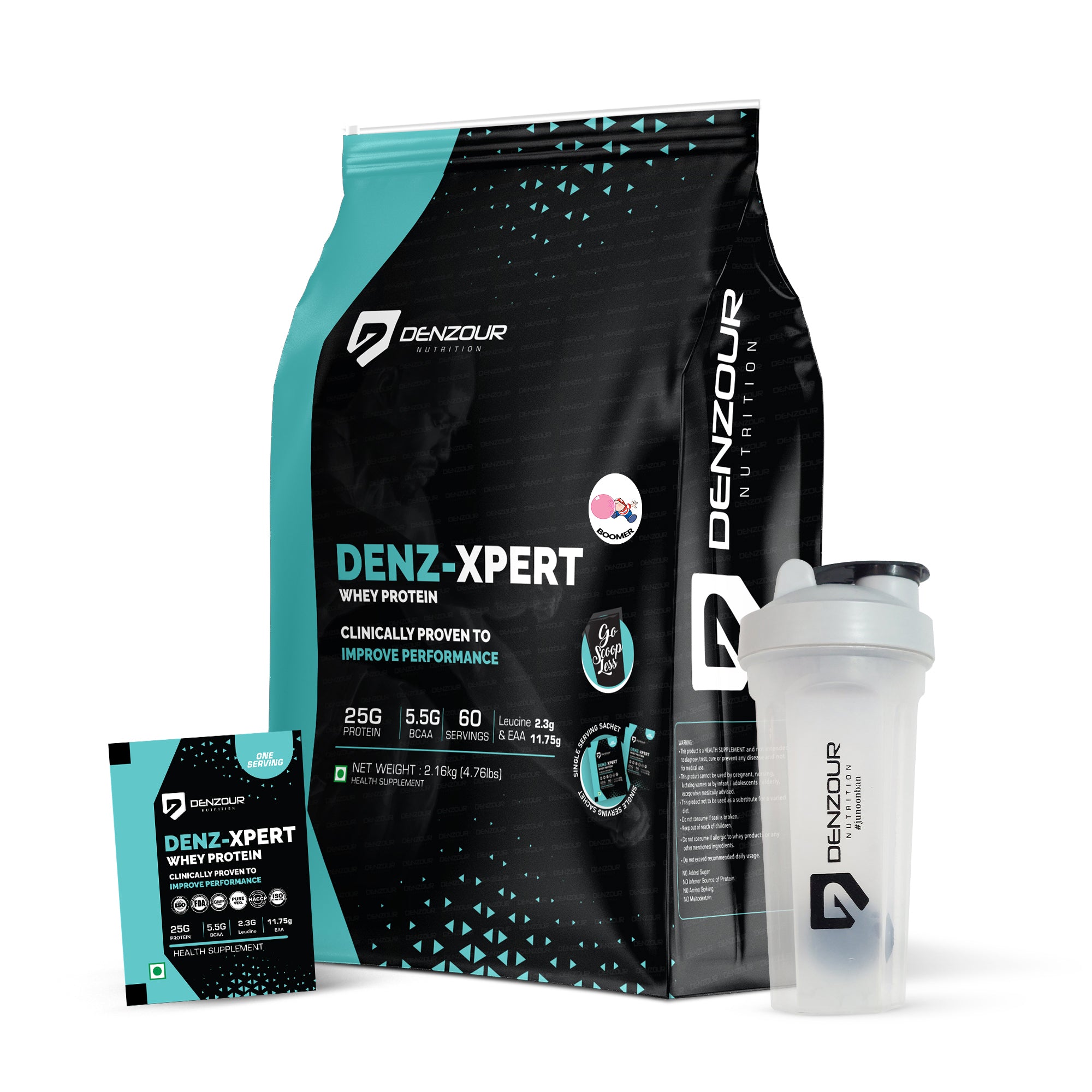
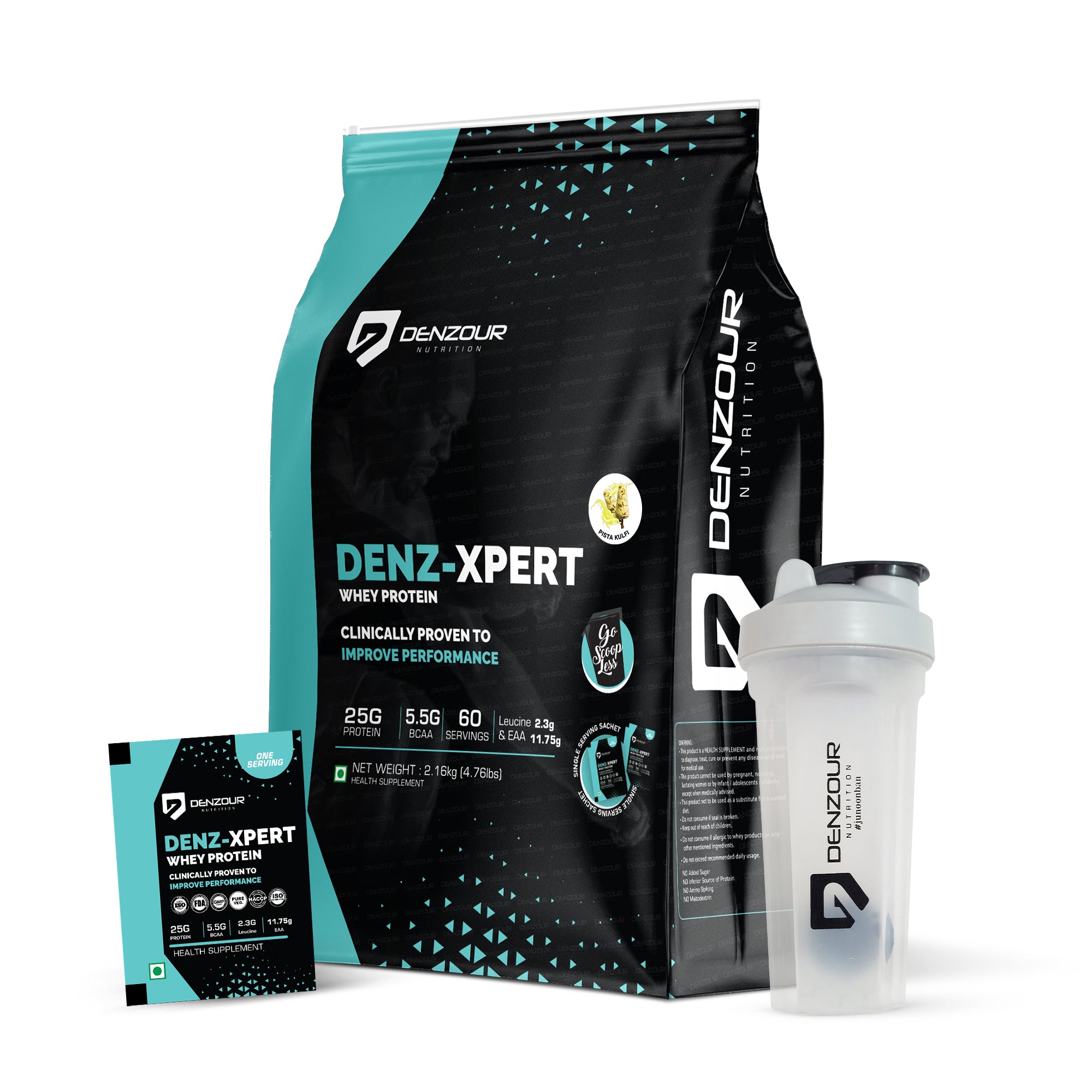









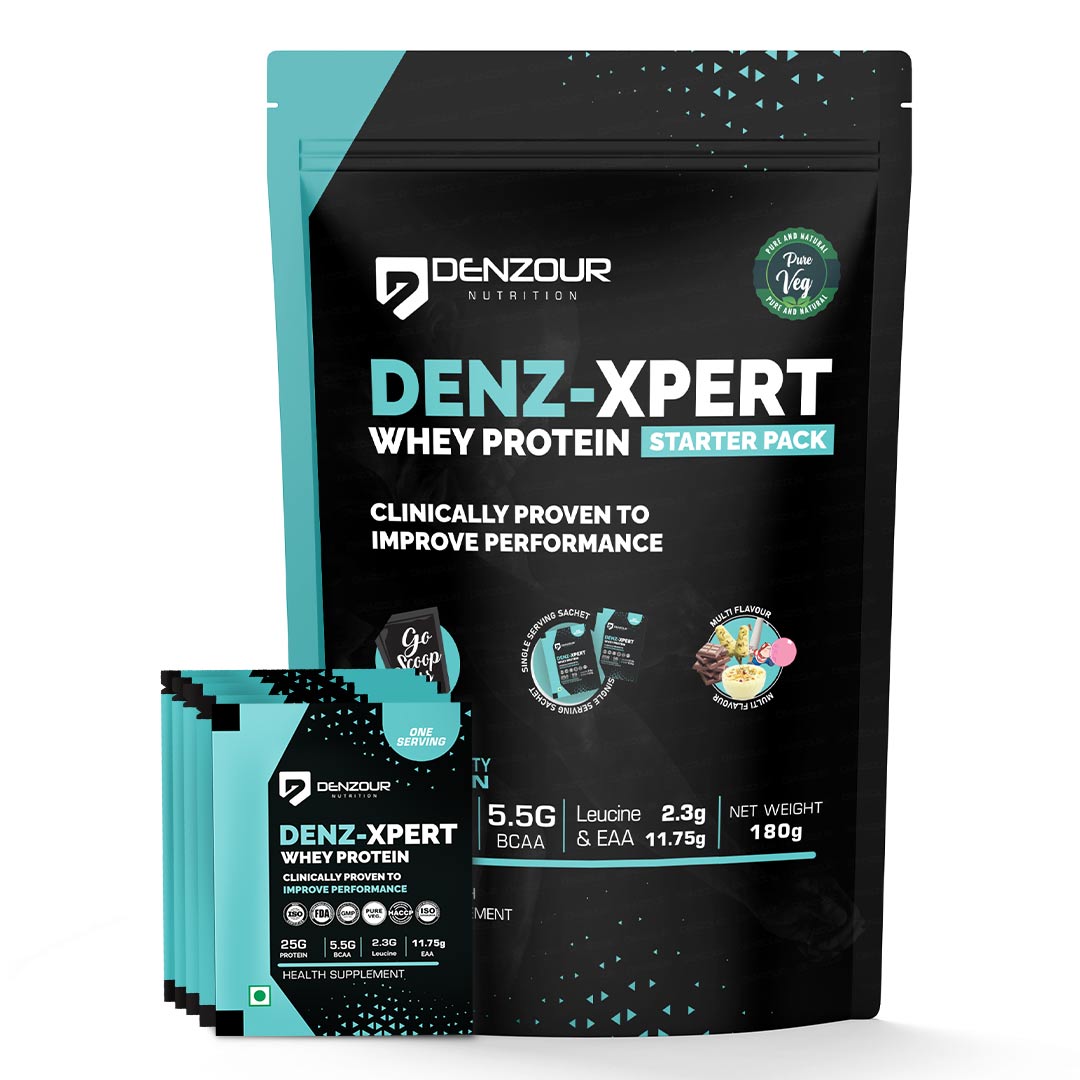


Whey protein has long been considered one of the top supplements for muscle building and recovery. But a major reason why most of us are afraid to use it is because we have all heard a very popular rumor: “Whey protein causes hair loss. This worry is understandable. Losing hair can feel scary, and if it begins after trying a new supplement, it’s only natural to tie the two together.
The reality is that hair loss is typically the result of a number of different factors, not one food or supplement. For the average healthy individual, whey protein will not directly cause hair loss. In fact, protein is a main player when it comes to the nutrients your hair depends on for strength, since hair is primarily comprised of a type of protein called keratin. If there is not enough protein in your system, you may experience more hair shedding. So, that you automatically fault whey protein without considering the larger context may be a bit misleading.
But some may even observe thinner hair when taking whey. Often, it’s not that whey is “causing” hair to suffer; something else is going on at the same time. For instance, one might join the gym, switch up their diet to lose weight or cut off calories — all of which can lead to temporary hair fall. And another hitch: If a human is already genetically predisposed for pattern baldness, then any sliver of hormonal shift can accelerate the process of hair thinning that was already going to happen.
Short answer: No, whey protein does not cause hair loss for most people. But in some cases — like genetic male/female pattern hair loss, sensitivity to hormones, an excessive overdoing it or poor overall nutrition it can speed up the process of thinning waft that was on the way out anyway.
What Is Whey Protein, and Why Do People Use It?
Whey is a full protein derived from milk and containing all essential amino acids. It is particularly high in leucine and other BCAAs, which are crucial to muscle protein synthesis. It exists mostly in three forms:
- Whey Concentrate – 70–80% protein, containing some lactose/fat
- Whey Isolate – 90+% protein, minimal lactose/fat
- Whey hydrolysate – pre-digested to provide quick utilisation
People turn to whey for muscle gain and fat loss support, recovery and to meet dietary protein needs when food intake lags.
It is also critical to remember that protein itself is important for hair, as hair is primarily composed of keratin (a protein). Visible shedding can be the result of protein deficiency. So the suggestion that protein supplements will instantly lead to hair loss is clearly suspect.
Why Do People Think Whey Protein Causes Hair Loss
There has been some talk online about whey protein and hair loss, but it’s largely based on misconceptions and half-truths. Here's the catch: If somebody begins whey and shortly afterwards sees shedding, it seems reasonable to point fingers at the new supplement. But the reality is, for many people, their connection is not that direct. Here are some of the top reasons for this belief.
1. Confusion Between Whey & Steroid Use
One is the fitness world. Bodybuilders often use multiple supplements simultaneously, and sometimes they’ll even take anabolic steroids. Steroids are known to cause a spike in DHT (a hormone associated with hereditary hair loss). When people see lifters losing hair, they sometimes assume it’s because of whey protein but the true culprit might be steroids or other hormone-driven accessories. Whey becomes “guilty by association.
2. The DHT and Testosterone Fear
Baldness – particularly male pattern baldness – is very closely related to DHT. Some think whey boosts testosterone, and thus the extra testosterone also increases DHT, resulting in hair fall. This is convincing on its face, so it proliferates readily online. But for most healthy adults, regular consumption of whey does not meaningfully increase DHT. The panic persists largely because hormones and hair loss are an emotional subject.
3. Timing & Natural Hair Loss Age
Most men and women begin to notice hair thinning in their 20s or early 30s — at the very time when serious gym training (and whey) begins for many. So even if hair loss is occurring because of genetics, stress or age, whey becomes the culprit just because it was introduced at about the same time. This is a classic “timing mistake,” not real evidence.
4. Lifestyle Changes That Occur With Whey
People rarely start whey alone. They also change their lifestyle:
- heavier workouts
- sudden fat loss diets
- calorie cutting
- less sleep
- more stress
These are all rooted in transient hair shedding. So the hair loss could be from the lifestyle change, and whey is just part of your new routine.
5. Internet Myths Spread Fast
Losing one’s hair is emotional, and people want fast answers. And if a handful of people share anecdotes along the lines of “I started whey and lost my hair,” others begin to believe it without investigating underlying causes. The stories eventually become part of the accepted mass mythology, predicated on little if any hard science.
In short, whey protein is vilified largely by association, fear of hormones and timing rather than as an actual proven direct cause. That’s why it’s important to consider the big picture before determining whether whey is causing hair loss.
Whey Protein and DHT: Does Whey Increase DHT Levels?
This is the core of the worry.
The theory
- Whey is rich in BCAAs.
- BCAAs may slightly influence insulin/IGF-1.
- IGF-1 can also crosstalk through androgen pathways.
- Androgens → testosterone → DHT.
- Then high DHT will shrink follicles in genetically susceptible scalps.
What evidence says
Human evidence doesn't yet indicate that taking whey will raise DHT enough to cause balding when used in normal doses. Most reviews describe the link as weak or not proven.
There are a few small studies quoted online every now and then indicating that isolate may make hair health worse in some people but they’re not large or widely replicated enough to prove causation.
Bottom line:
Whey doesn’t “cause” DHT-related hair loss in the vast majority of people, but if you’re already genetically susceptible to DHT, even a small hormonal nudge could theoretically accelerate thinning.
Who Is Most Likely to Experience Hair Loss While Using Whey?
Whey isn’t a universal trigger. It depends on you, not the scoop.
1. People with genetic pattern baldness
Dominator Hair androgenetic alopecia If your father, mother or close blood relatives has androgenetic alopecia – your follicles can potentially be DHT-sensitive. Whey could perhaps speed a process already set in motion by genes.
2. People taking very high doses
Average daily use of whey = 20–40 g/day.
The risk goes up when people go with 2–4 scoops daily on top of high-protein diets when there’s no medical need. Too much supplementing is consistently raised as a possibility.
3. People using “test booster” blends
Some protein powders are “spiked” with things like DHEA-like molecules, mega-doses of ashwagandha, or tribulus or even discreet pro-hormone ingredients. Those might push the hormones more aggressively than whey alone could.
4. People with nutrient gaps
Relying too much on whey and ignoring real food and you may be neglecting iron, zinc, omega-3 fats, vitamins and fiber — nutrients all important to hair follicles. Whey is not what causes shedding, nutritional imbalance can.
5. High stress plus extreme cutting phases
Intense workouts, lack of calories, compromised sleep and stress can put hair in a resting phase called telogen and result to temporary fall out. Infants are making a lifestyle change as it is — and whey just so happens to be around at the time of that shift.
Can Protein Deficiency Cause Hair Loss
The hair follicles are one of the first tissues to be adversely affected following protein malnutrition. If you stop eating much protein, your body secretes the right hormones to preserve essential organs — and a few others that don’t make the cut for priority oxygenation get their productivity curtailed, leading to diffuse shedding (telogen effluvium).
So, ironically, trying to avoid protein because you’re afraid of hair loss might actually be making the problem worse.
If you’re not supplementing with whey, however, you still need to ensure that the food you eat contains adequate protein: eggs, dairy, chicken, fish and basmati rice, soy and chana dals (chickpeas), paneer/ tofu or nuts.
Does Whey Protein Cause Hair Loss in Females?
Androgenetic alopecia can also affect women, but female hair loss more commonly has to do with:
- iron deficiency
- thyroid changes
- PCOS/hormonal imbalance
- postpartum shedding
- crash dieting
Whey on its own is not a known cause of female hair loss. For women with PCOS or DHT sensitivity, some hormonal fluctuation might count, but the evidence is still shaky.
How Much Whey Is Safe If You’re Worried About Hair Fall?
For a healthy adult:
- 1 scoop/day (20 to 30 g protein) is likely safe.
- Total daily protein goal for bellies: ~1.6 – 2.2 g/kg body weight (theoretical range based on a number of sources).
- Whey should be used to bridge any gaps, not replace whole meals.
Simple rule:
If you‘re eating healthy and the dose of whey is moderate, risk to loose hair from whey by itself is pretty low.
Signs Your Hair Loss Might Not Be From Whey
Before you point the finger at whey, consider these sources:
- Family history of baldness
- Some Recent stress
- Weight loss or calorie deficit
- Low iron / vitamin D / zinc
- Thyroid issues
- Poor sleep / overtraining
- New medications
Conclusion
Whey protein as such doesn’t cause hair loss, however it can indirectly lead to hair loss or more accurately tendon and nerve damage in the scalp. Protein is, in fact, a key component to healthy hair. When someone does experience hair fall after introducing whey, it’s usually a result of something else that coincidentally occurred around the same time such as genetics, stress, intense workouts, rapid weight loss or hormonal changes or a lack of specific nutrients like iron and vitamin D.
The answer is straightforward: consume a normal amount of whey, select a reputable brand and maintain balance in your overall diet. If hair thinning runs in your family or you have a hormonal condition such as androgen, monitor the change closely and consult a dermatologist should shedding persist.
So rather than fear whey, stick to the big picture and your health. Strong hair is a result of good nutrition, recovery and lifestyle management not avoiding just one beneficial supplement.


