


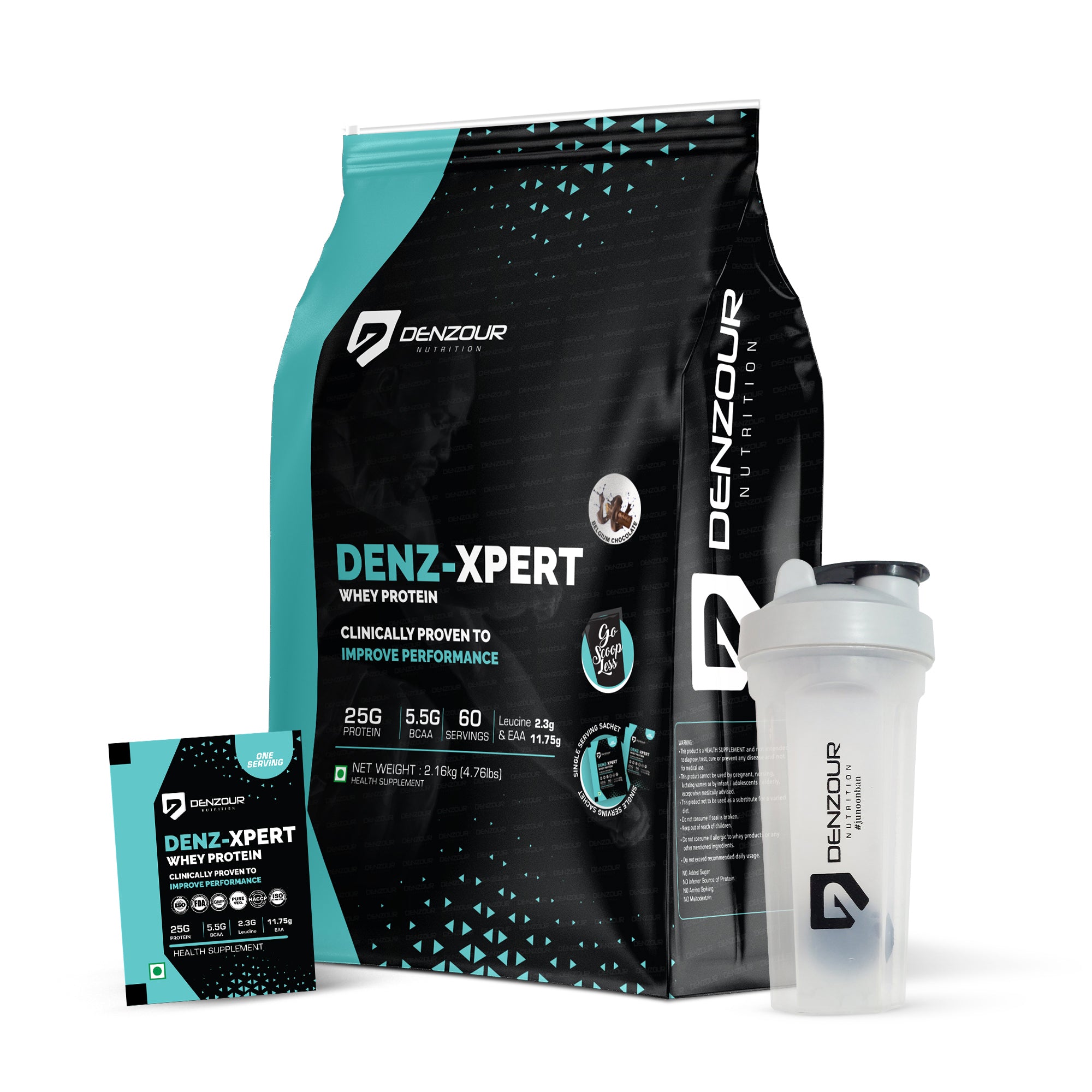
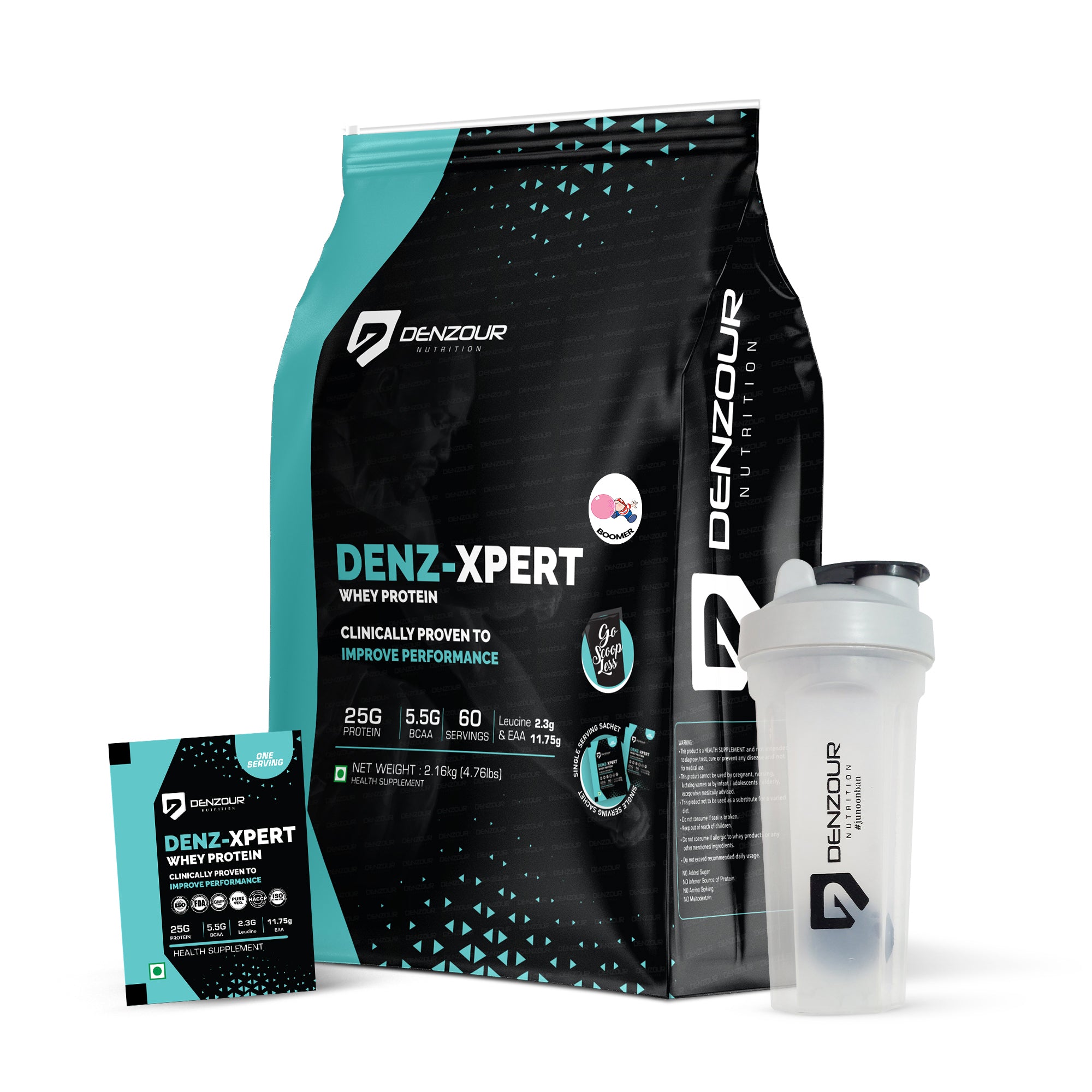
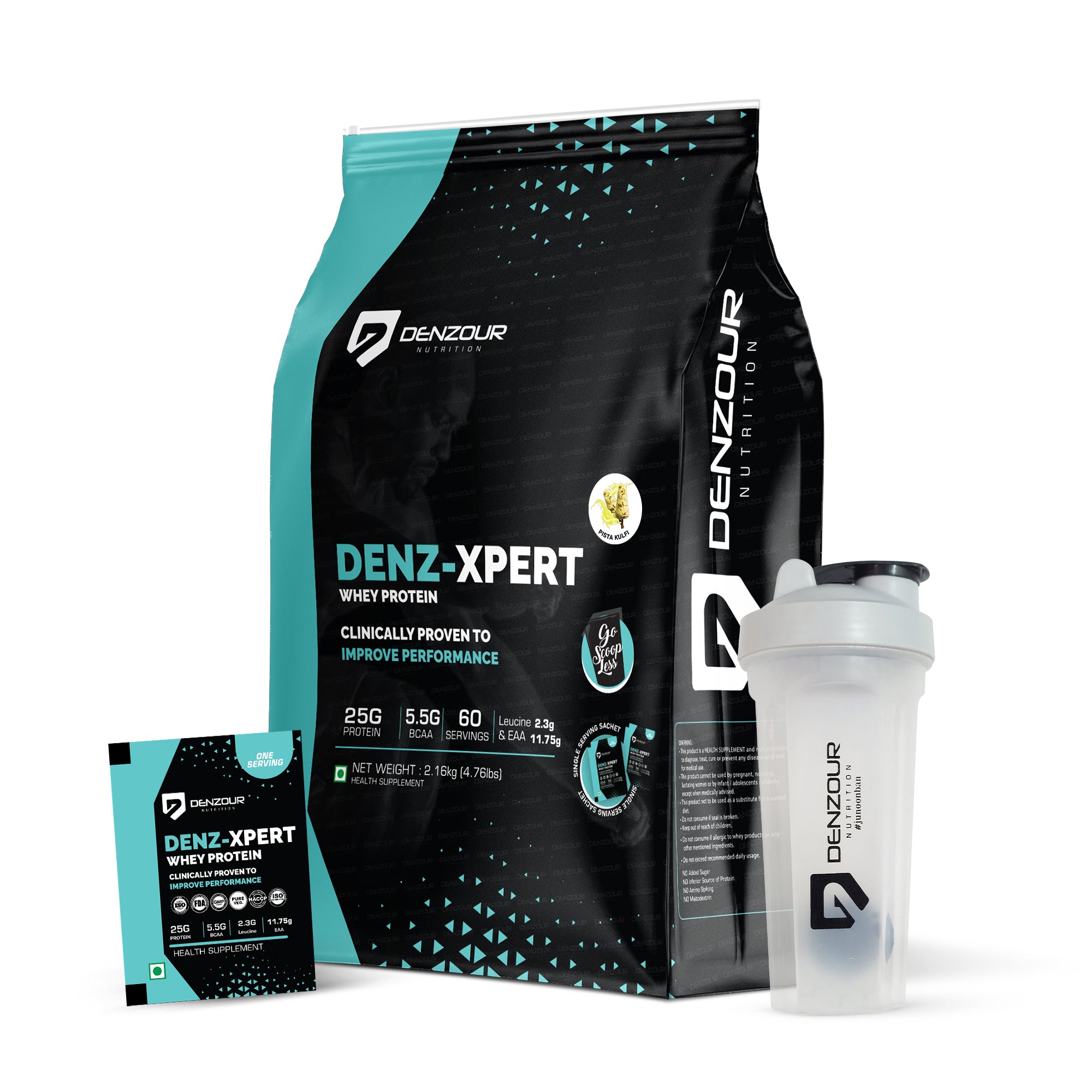
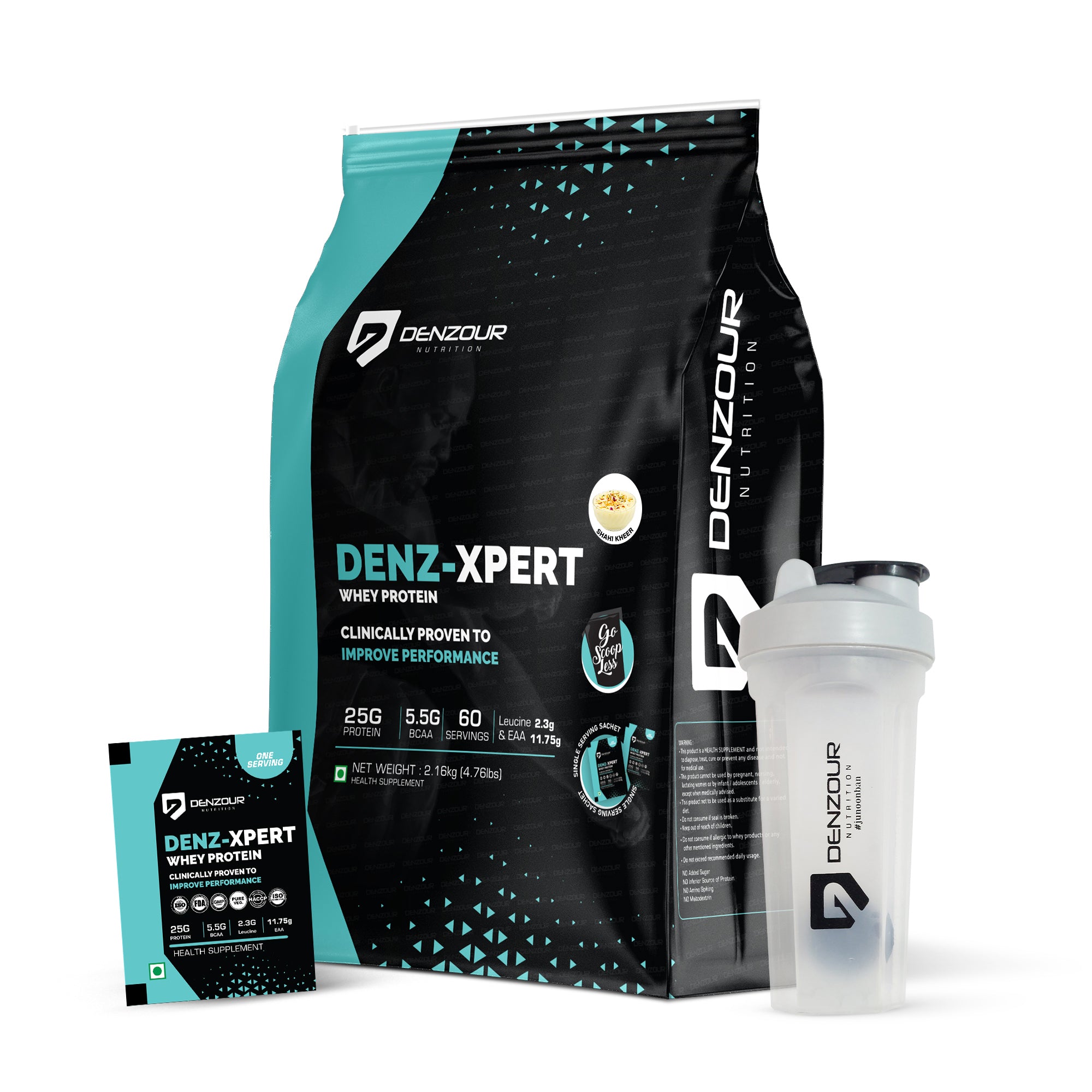


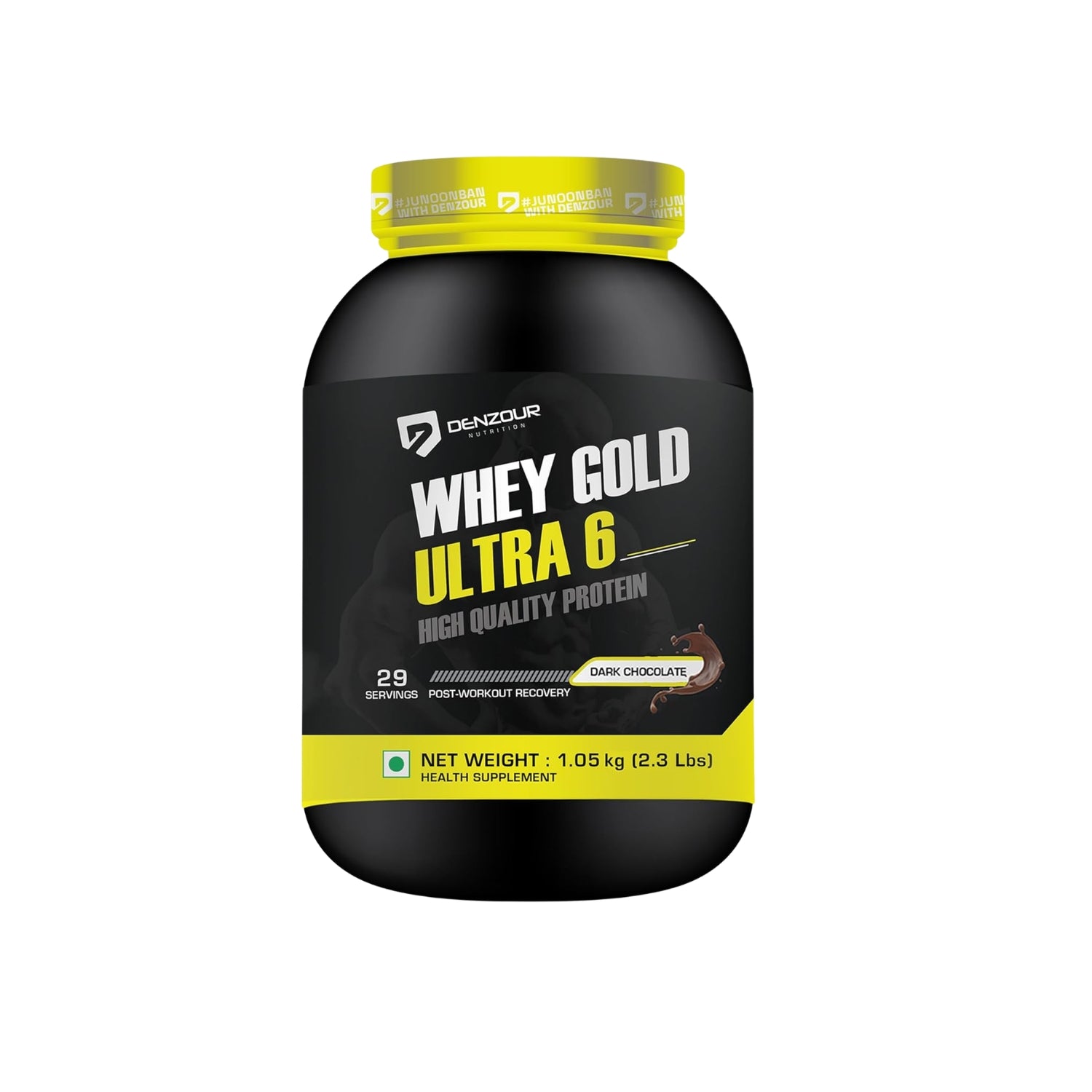
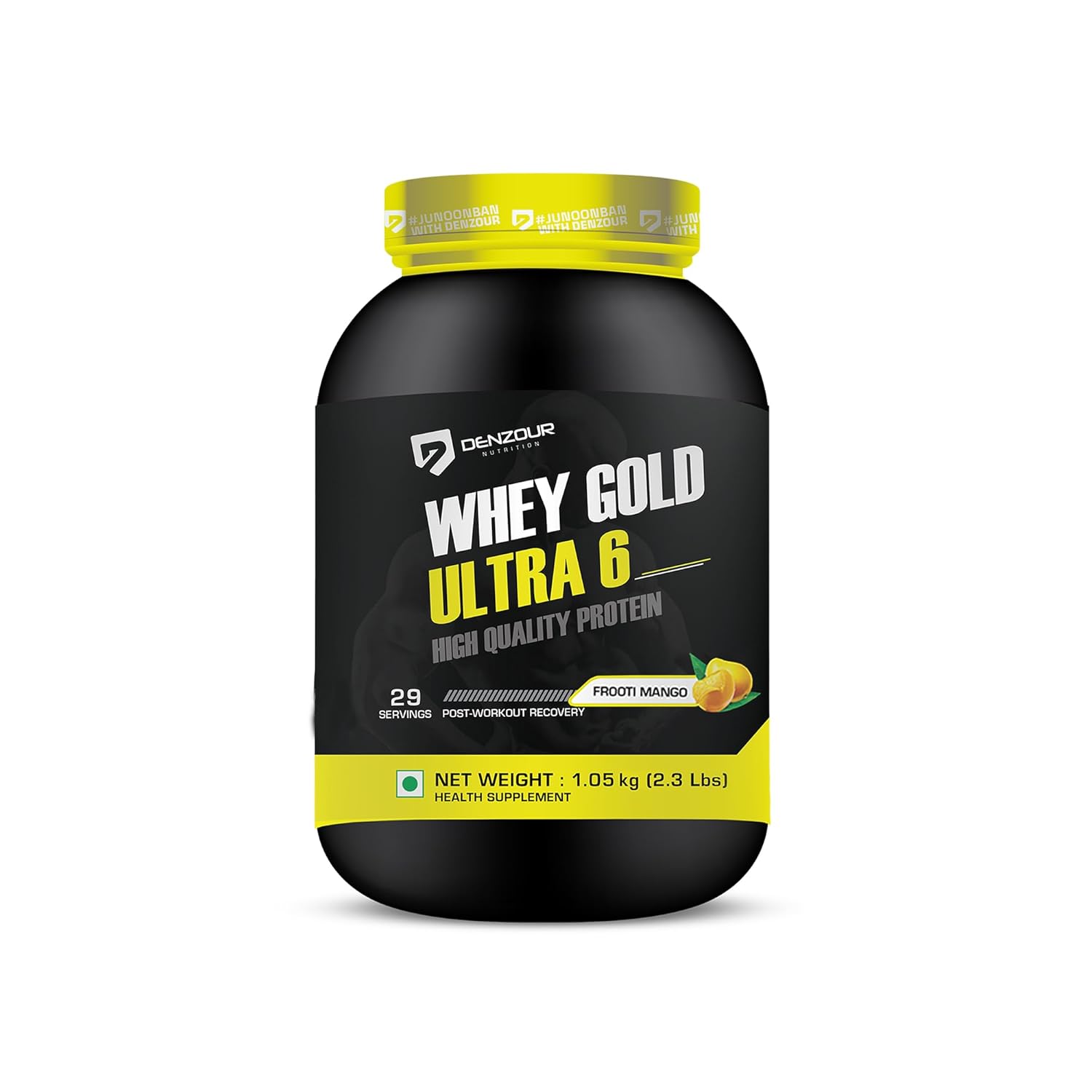
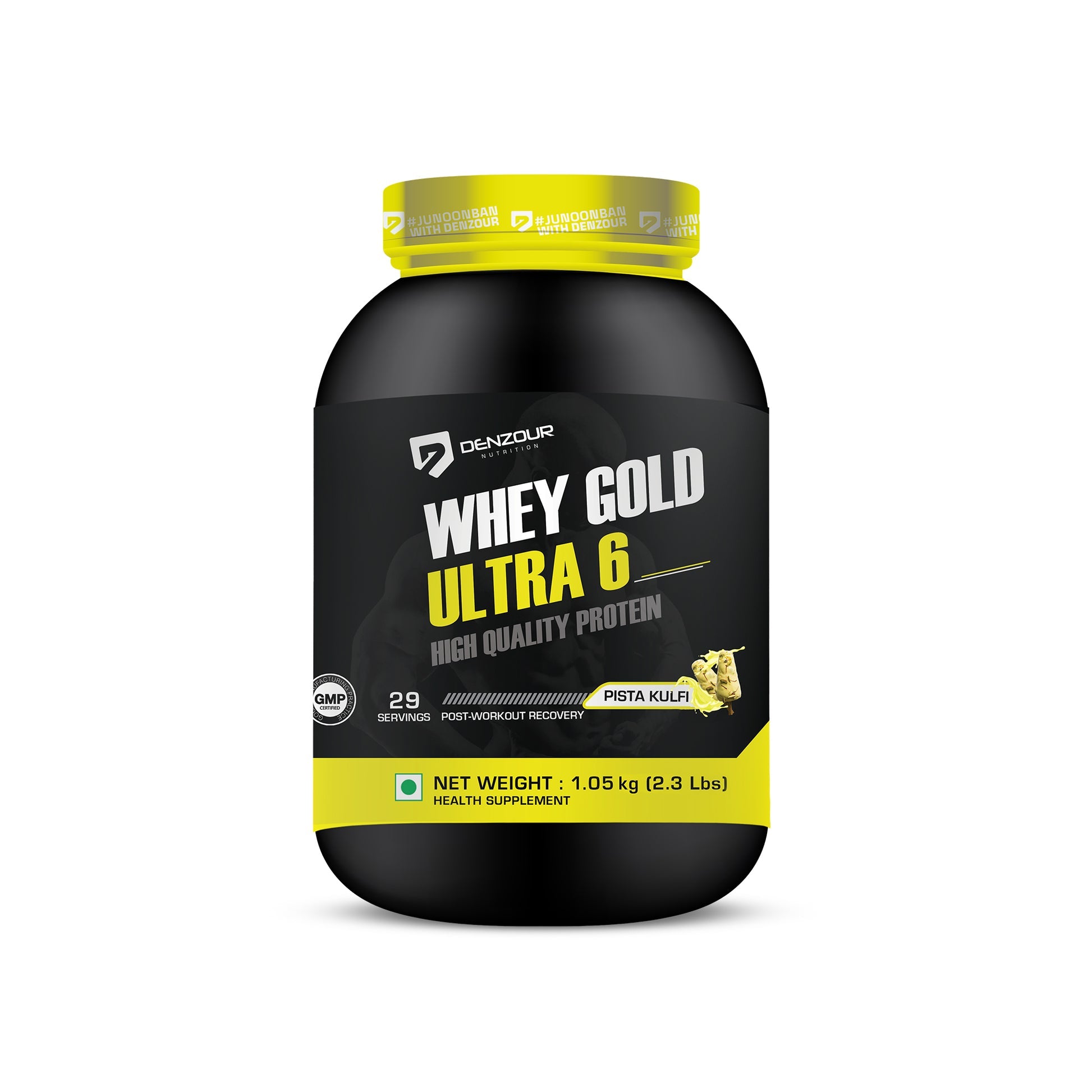




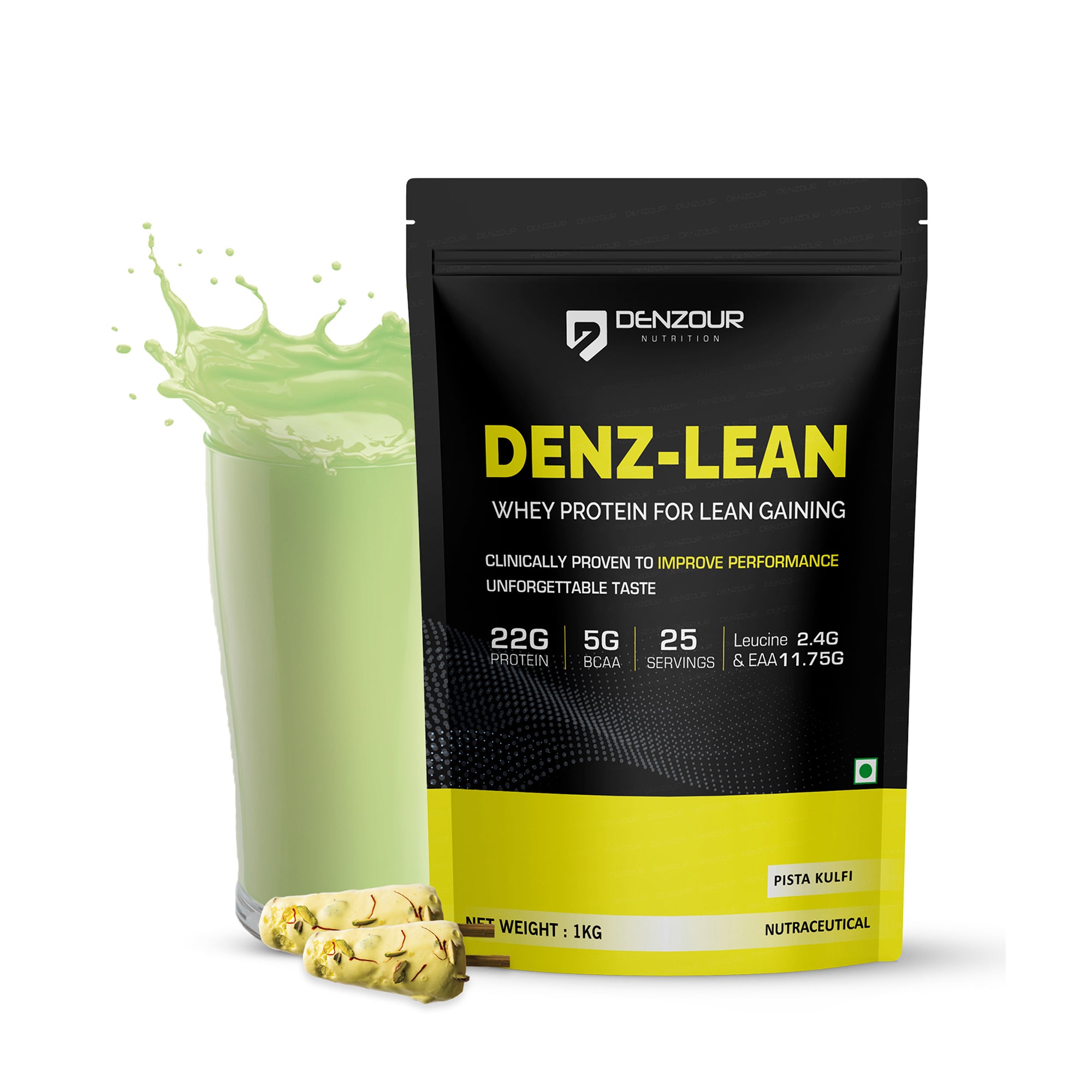


One scoop of whey protein provides approximately 20–25 grams protein on average. The majority of whey protein brands have one scoop set at 30-grams. Of that 30 grams of powder, approximately two-thirds is pure protein, with the remainder typically consisting of carbs, fats and flavours (plus sweeteners, and perhaps some added ingredients).
How much protein in a scoop of whey? The quantity varies get what type of whey you to the brand used. Based on nutrient content, whey concentrate typically has a little bit less protein per scoop than isolate, with the former having more carbs and fats. Whey isolate is further filtered, which means it has an even higher protein percentage and lower carbs and fats. Hydrolyzed whey also contains a rich protein yield per scoop and is pre-digested for accelerated use.
But rather than guessing, the best way to find out the precise number for the product you’re using is to read the nutrition label on the jar or bag. There you should find something obvious like “Protein: 24 g per serving (30 g).” So, when someone questions, “How much protein does one scoop of whey protein have?” the short, sweet simple answer: about 20–25 grams of top quality, fast-acting protein per regular scoop — ideal for muscle repair and daily support The post How Much Protein?
What Exactly Is a “Scoop” of Whey Protein?
By “one scoop,” people typically mean the hard plastic scooper that comes inside their whey protein jar. This scooper is perfect for a serving size.
For most brands:
- A level scoop of whey protein powder weighs approximately 30 grams.
Some of the brands might use a little heftier or smaller scoop (e.g. 32g, 35g), but 30g is about the most common. This is the serving size you’ll see listed on the nutrition label with all values per serving displayed there.
Knowing this is important because:
- When you read “Protein per serving,” think protein per scoop (30g).
- So your calories, carbs and fats are also shown calculated for a 30g scoop.
If you don’t have or can’t find your scoop, weigh out 30 grams of powder on a kitchen scale. That way you’re getting the precise amount of protein listed on the label.
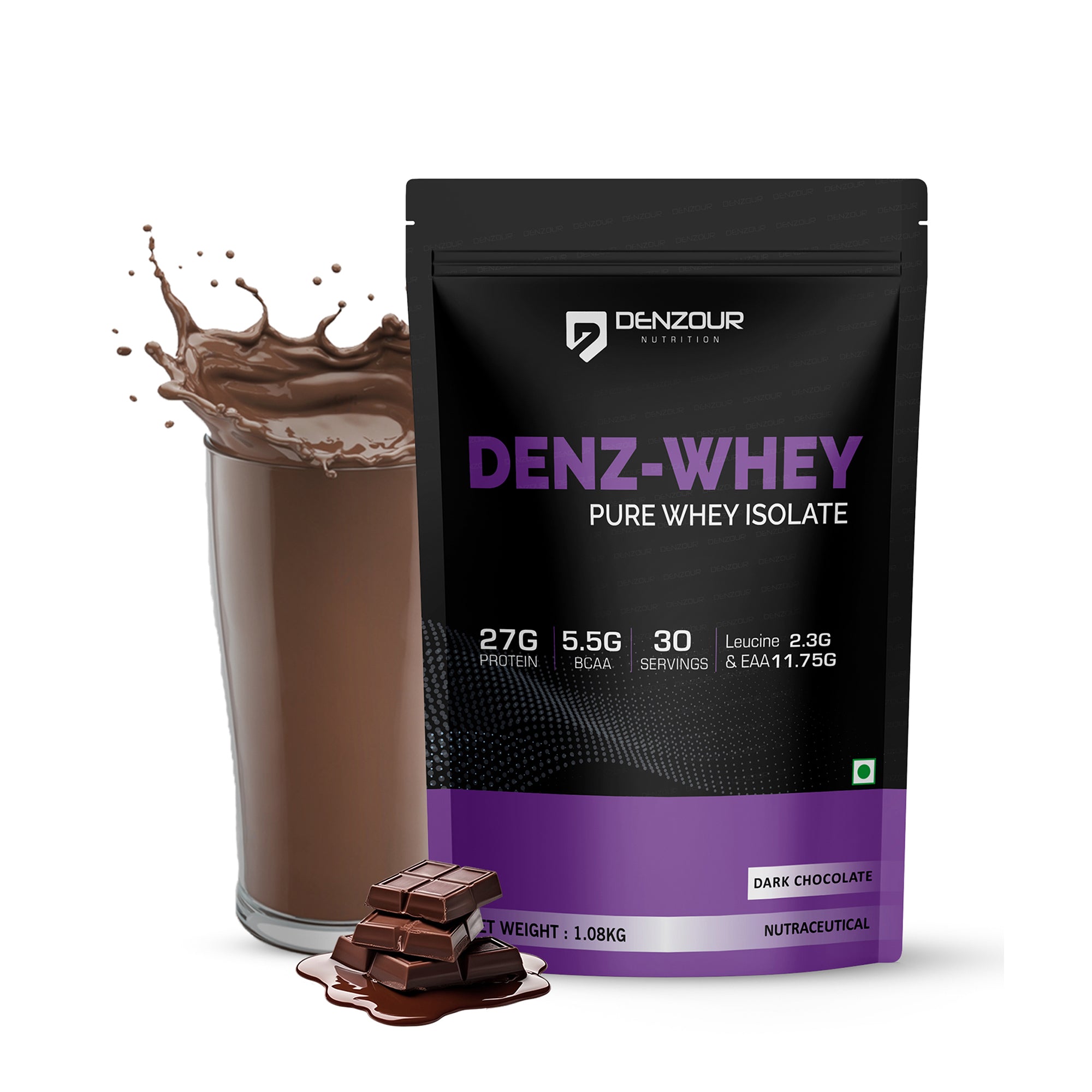
How Much Protein in 1 Scoop of Denz-Whey Pure Isolate?

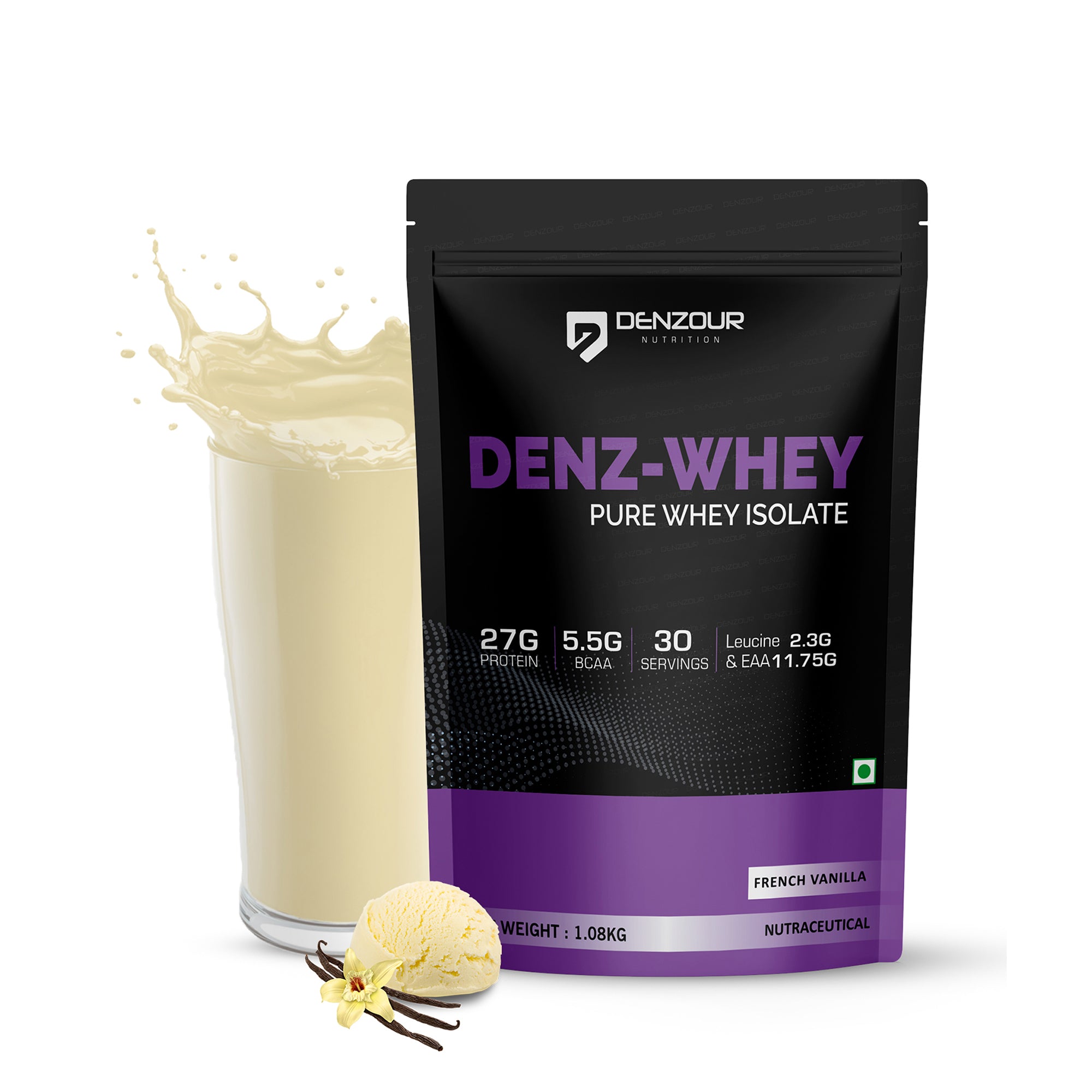
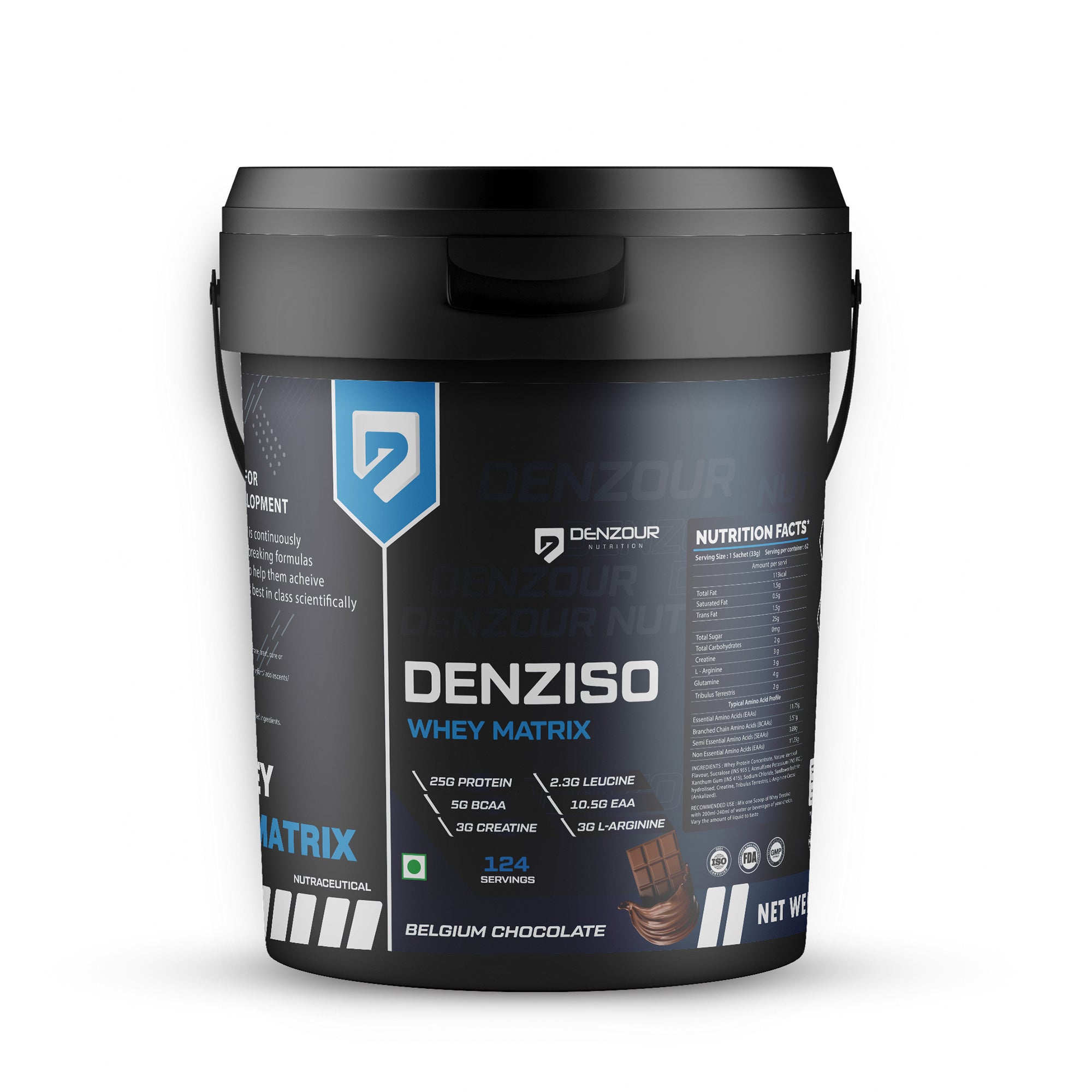
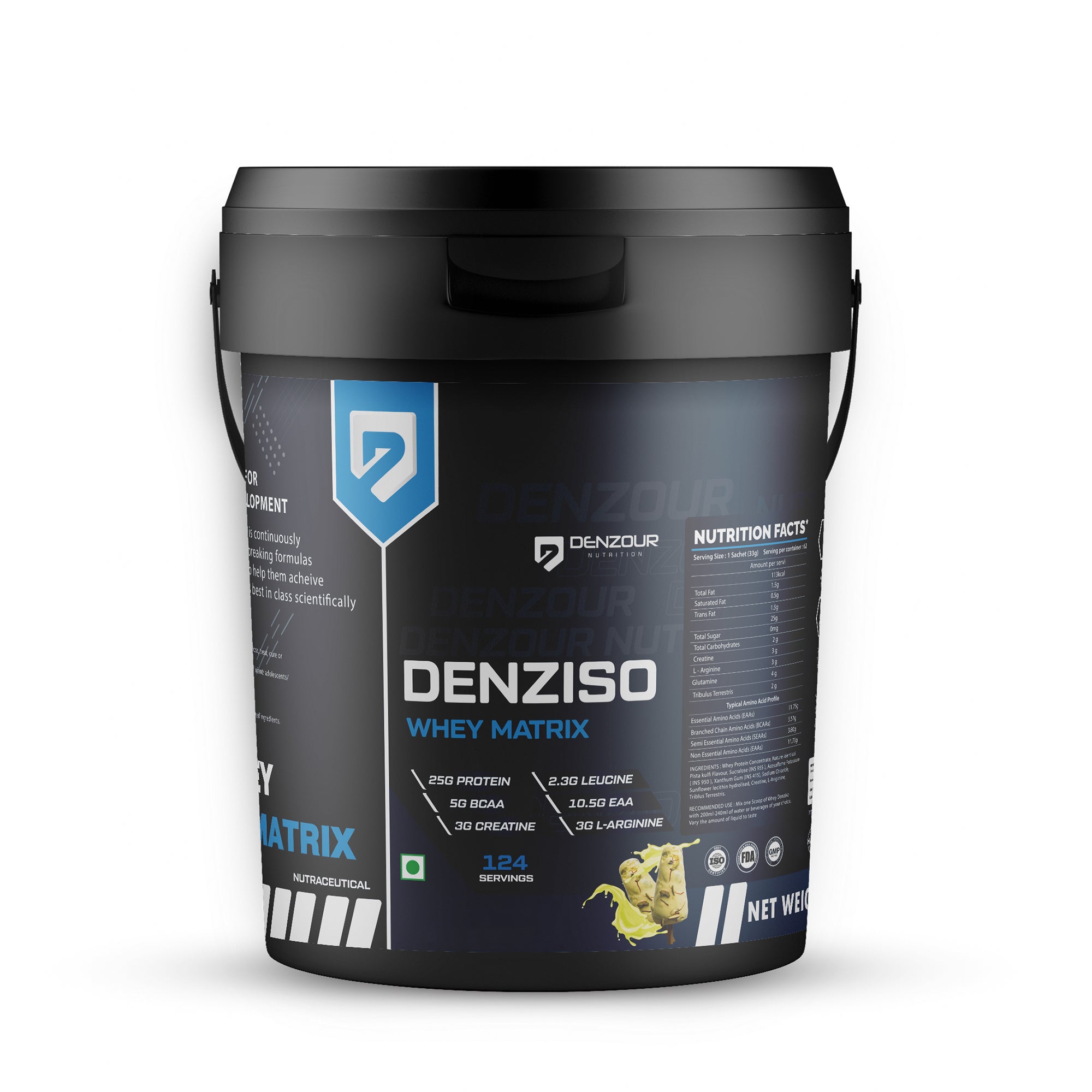
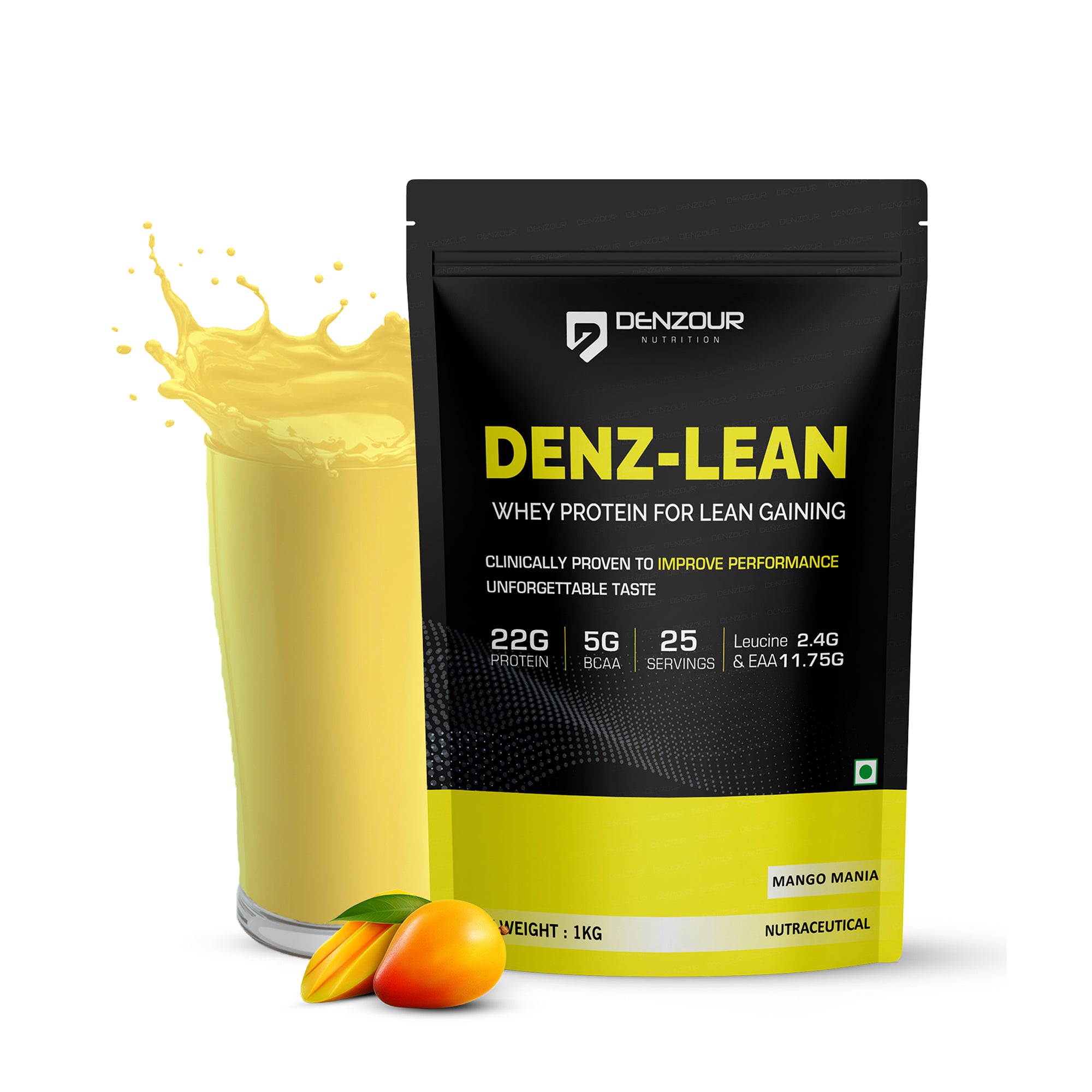
Den-Whey Pure Isolate You get a strong 27 grams of quality whey isolate protein in each super-saturating shake (one heaping scoop). That means most of the scoop is straight-up protein with very little in carbs and hardly any sugar, meaning you’re not throwing away calories on fillers. In addition to protein, each serving contains about 5.5g BCAA and approximately 11.75g EAA for faster muscle recovery, less soreness and better strength gains post-workout.
For the average gym-goer, 27g of protein from one scoop does a fair job covering a good portion of your daily needs. For instance, if you’re targeting a daily protein amount of 100-120 g/ day, every scoop of Denz-Whey Pure Isolate already gives you around 1/4th (one-quarter) of your requirement and in very easily digestible form. As a fast-absorbing whey isolate, it’s particularly effective post-workout (when your body needs rapid protein for repair and muscle building).
Types of Whey Protein and Protein per Scoop
When people type in “how much protein in 1 scoop of whey” they also generally would like to know the different types of whey and how much protein each contain per scoop. The main three are whey concentrate, whey isolate and hydrolyzed whey, and each carries a slightly different amount of protein per serving.
Put very simply, they are all made from milk, just at different stages in the process. And, the more it’s processed, the higher the percentage of protein (lactose and carbs go down, too). That is why isolate and hydrolyzed whey usually have a bit more protein per scoop than regular concentrate.
1. Whey Protein Concentrate (WPC)
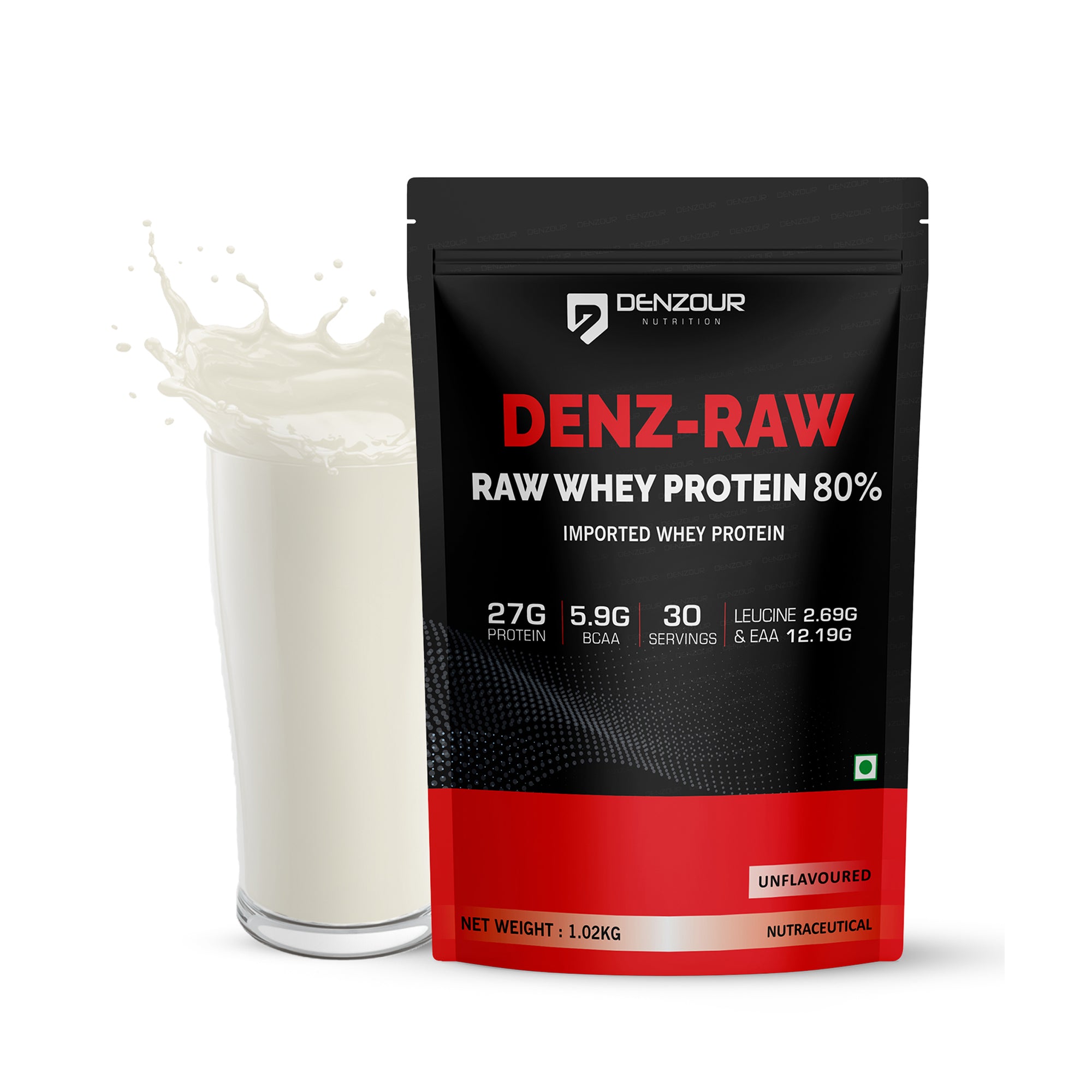
Concentrate is the most popular and cost-effective style. It typically comprises 70–80% protein by weight, with some remaining natural fats of milk and lactose. Now, in a regular 30g scoop, most conventional concentrates supply roughly 21–24 grams of protein.
That makes it a solid choice for beginners or for people looking to get decent protein per scoop with a creamier feel and a touch more deliciousness.
2. Whey Protein Isolate (WPI)
Whey isolate is further filtered to strip away more carbs, fat and lactose for a higher protein-to-carb ratio. For that reason, a 30g scoop of isolate typically contains 25–27g of protein with minimal carbs and sugar.
This is perfect if you are looking for the most protein per scoop, can’t skip on calories or have mild lactose intolerance.
Take Denz-Whey Pure Isolate, for instance: You get 27g of protein in each 36g serving, which is at the higher end of the spectrum for most isolates (which means more protein per scoop).
3. Hydrolyzed Whey (WPH)
“Hydrolyzed whey” is whey protein that has been partially pre-digested into smaller peptides. This doesn’t significantly change the protein content, but it can aid digestion and absorption. Hydrolyzed whey will usually deliver approximately 24–28g protein for every 30g scoop, which is on par or even slightly higher than most isolates depending on the brand.
It is a popular choice for elite-level athletes or those wanting the fastest absorption possible (e.g., around workouts).
Here’s how they compare in general if you lined them all up:
- Concentrate: typically slightly less protein per scoop, but affordably creamy.
- Isolate - higher protein per scoop, low carbs & fats, ideal for lean muscle and cutting shreddeds.
- Hydrolyzed: fast digesting, with protein per scoop comparable to isolate, generally used by performance-focused users.
For most individuals, particularly those who are seeking a clean, high-protein hit without additional sugar content, a solid isolate (such as Denz-Whey Pure Isolate) is usually the cost-effective and performance-powered option per serving offered.
1 Scoop of Whey Protein: Calories, Grams and Nutritional Value
When someone is looking for “how many protein in 1 scoop”, they are also likely considering calories, carbs and fats. For most whey products:
- Serving size: Approximately 30–36g of powder
- Protein: about 20–27g
- Calories: around 110–130 calories per scoop typically
- Carbs: often 1–4g
- Fat: often 1–3g
This is consistent with what we find in other top selling global whey proteins like ON Gold Standard, among others, where a 30 – 31g scoop provides approximately 24 g protein and ~116-120 kcal.
On the label for Denz-Whey Pure Isolate we see the exact calorie count (I’ve printed your nutrition label image here), but based on 27 of 36 grams being protein, and low carb, no sugar - it must fall into the “high protein, moderate calorie, low carb” classification. Emphasis on maximum protein per scoop and fewer extras.
How Much Protein Do You Actually Need per Day?
The only way to know if one scoop is enough is if you know your daily protein requirement. This will vary based on body weight, training level and goals.
General guidelines from sports nutrition and health authorities :
- Sedentary / Very Light Activity – 0.8g protein/kg body weight/day or so as a minimum value
- Active individuals / typical exercisers: 1.2–2.0 g/kg
- Strength athletes / bodybuilders: 1.6–2.2g/kg You can estimate or calculate your total daily protein needs by multiplying your weight in KG’s by one of the ranges above!
So if you weigh:
- 60 kg: you can shoot for approximately 80–100g protein per day if you work out often.
- 70 kg: 100–130 g/day, depending on the intensity.
- 80 kg: approximately 120–160 g/day for heavy training or muscle building.
Whey protein is only one means to make it to that number. Your primary protein source is still the one from food i.e dals, paneer, eggs, chicken, fish tofu, curd etc. Your scoop is helping close the nutritional gap between what you eat and what you should eat.
Is 1 Scoop of Whey Protein Enough?
The short answer: it depends on your goal and how much protein you get from food.
If you are a lighter person with high quality protein in your diet, 1 scoop per day is sufficient. If a person is between 55–60 kg and aiming towards 80–90 g protein per day and is already taking in some 60–70g from regular food, then all they have to do is add some scoop of strong product like Denz-Whey Pure Isolate (27 g protein) for them to cross the target.
But if you’re heavier, more active, or have a protein poor diet, 1 scoop may just not be enough. For instance, an 80 kg lifter wanting 140 g protein/day could obtain as little as 70–80 g through food. And one scoop (27 grams) of Denz-Whey falls short. In that case, they might:
- Consume 2 scoops a day (such as post workout shake of Denz-Whey Isolate and another shake at any point of the day) or
- Include additional high-protein foods in their meals.
So:
1 scoop can be suitable for some, particularly if they’re taking a high-protein product like our Denz-Whey Pure Isolate but you need to consider your full day protein, not just from the shaker.
How Many Scoops of Whey Protein per Day Is Safe?
For the majority of healthy adults, 1–2 scoops of whey protein per day is a safe and effective way to supplement your diet as long as:
- The total amount of protein they eat each day is within the recommended range (about 1.2–2.0 g/kg for active people).
Many gym-goers use:
- 1 scoop after workout (for example, Denz-Whey Pure Isolate ), and
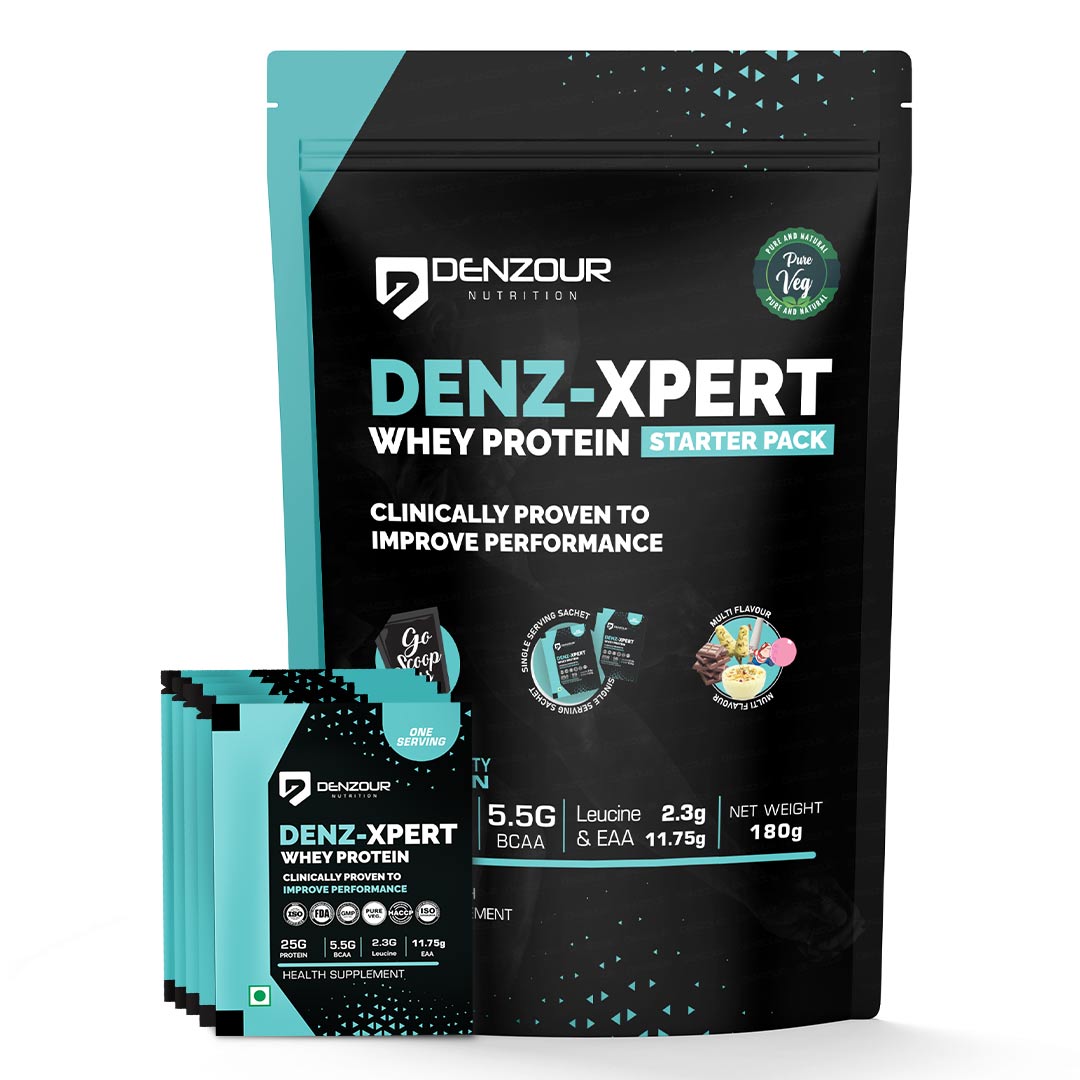
- 1 scoop again at another time (eg. Denz-Xpert with breakfast or in the evening)
If someone has kidney disease, liver problems or other conditions, they should talk to a doctor before trying high-protein diets or supplements.
Best Time to Take Your Scoop of Whey Protein
You can consume whey whenever it helps you work in the amount of protein you need daily, but certain times are better than others:
Post-workout:
The time mentioned above is the most desired. Whey is fast digesting, so post workoutsomething like Denz-Whey Pure Isolatewill provide your muscles with a hit of amino acidsright off the bat to begin repairing and building.
Between meals:
Having a shake as a snack (eg Denz X-pert with water or milk) between low protein, high carb meals can keep you full and also the feeling of fullness and regular intake helps your body maintain levels of protein available.
For breakfast or as an evening snack:
Including a scoop in oats, smoothies or curd in the morning or as an evening shake helps to spread protein intake throughout the day evenly so your muscles can be maintained.
Remember, the actual clock time is less relevant than getting in 30 grams of protein total over the course of a day. Post-workout is an easy one, but not the only time you can take it.
Final Conclusion
So, when looking to answer how much protein is in 1 scoop of whey, the general consensus for the minimum amount you should expect would be approx 20-25g of top quality protein per scoop. This amount is going to just depend if it's a concentrate, isolate or hydrolyzed whey and what specific brands formulation. The actual serving and protein serving size, usually 30–36 g of powder, is always listed on the nutrition label. As such, the label is the best way to find out how many grams of protein are in one scoop.
In reference to our own product, Denz-Whey Pure Isolate features up to 27g of pure whey isolate protein in a single heaping scoop (36g). It also contains BCAAs and EAAs, limited carbs and zero added sugars, this is a very power packed option for those who want more protein with less calories especially post workout. The choice between 1 or 2 scoops of Pure Protein Shake – depends on how much protein you want to feed your muscles and overall daily protein goal. Choosing a clean high protein option like Denz-Whey will go a long way in both helping to hit your target and sustaining it.


