









Raw oats contain 11 -17g protein per 100g, complex carbs, fiber (beta-glucan) & important minerals. Typical nutrition profile 389 kcal/100 g with 66 g carbs,6–7 g fat and 17% of the calories derived from protein, oats are a higher-protein grain.
Protein in Oats Per 100g
Oats are universally adored, due to their unusual combination of useful protein, slow-release carbohydrates and heart-healthy fiber in a single low-cost ingredient. If you’re simply wondering,
How much protein is in 100 grams of oats ?
Short answer is: approximately 11–17g of protein, depending on the type and brand and how it is processed.
Derivative tables for Protein in Dry, Raw Oats Most general nutrition tables (e.g., the USDA one on Nutrition Data) based around dry, raw oats end up with a close approximation of 16–17% total calories from protein on average which comes out to 16–17g per 100g. Alongside the protein content a 100g serving tends to provide around 389 kcal, 66g carbs and 6-7g fat.
What makes oats particularly exceptional among grains is not just the high quantity of protein they provide, but also its quality. Oat Protein has a storage protein named avenalin (it’s similar to legume proteins) and offers an appropriate amino acid profile for a cereal, aiding with muscle repair, daily recovery and fullness. Oats might not be as densely packed with leucine as whey or soy isolate, but they are protein-forward for a grain, particularly when you serve them with higher-protein liquids (milk/soy milk) or toppings (nuts/seeds/yogurt).
Since you're probably cooking the oats with water, then the same amount of protein per 100g is going to look less when written down because: weight increases when water is added. The total protein you consume from your raw measure is the same; it’s just reduced per 100g when hydration has taken place.
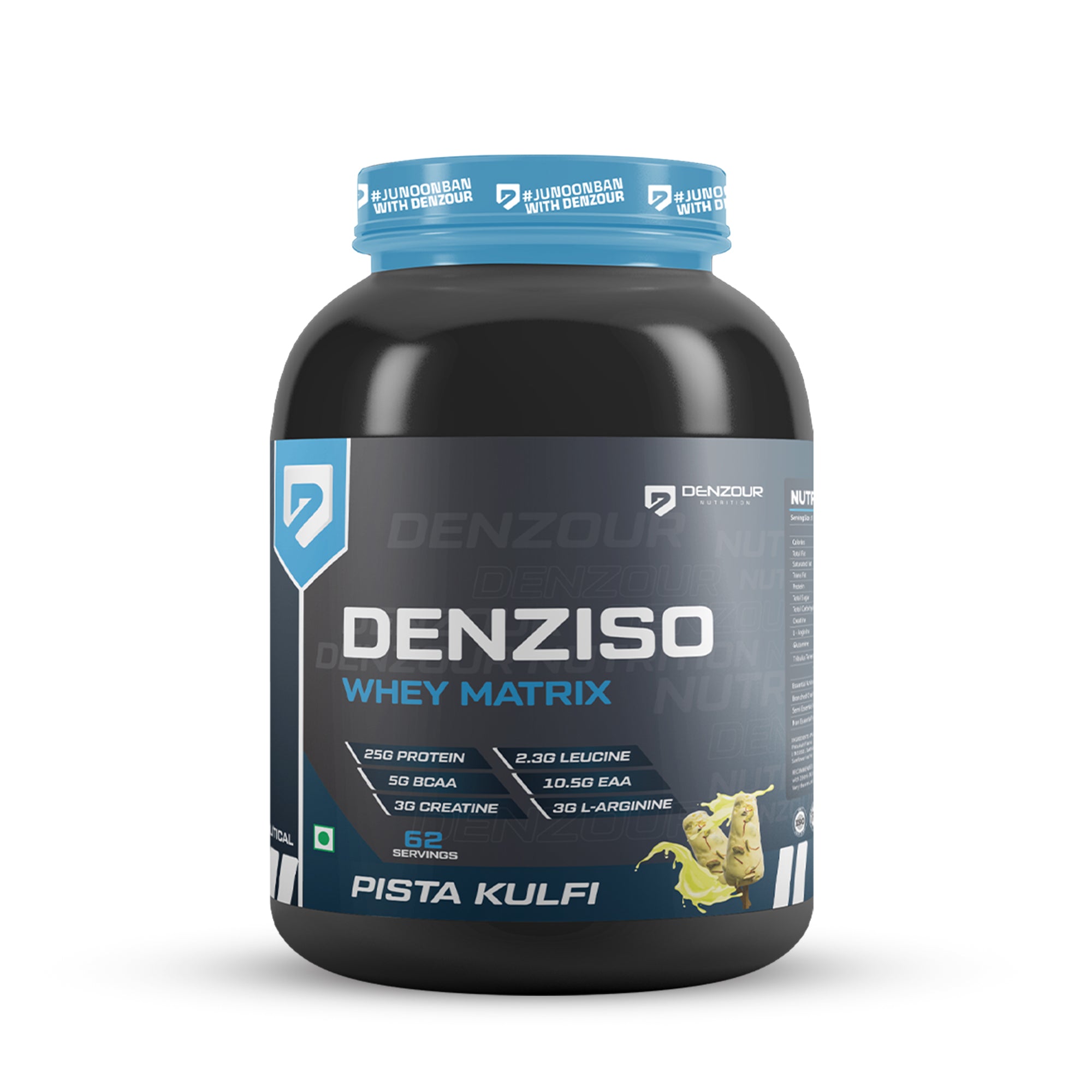
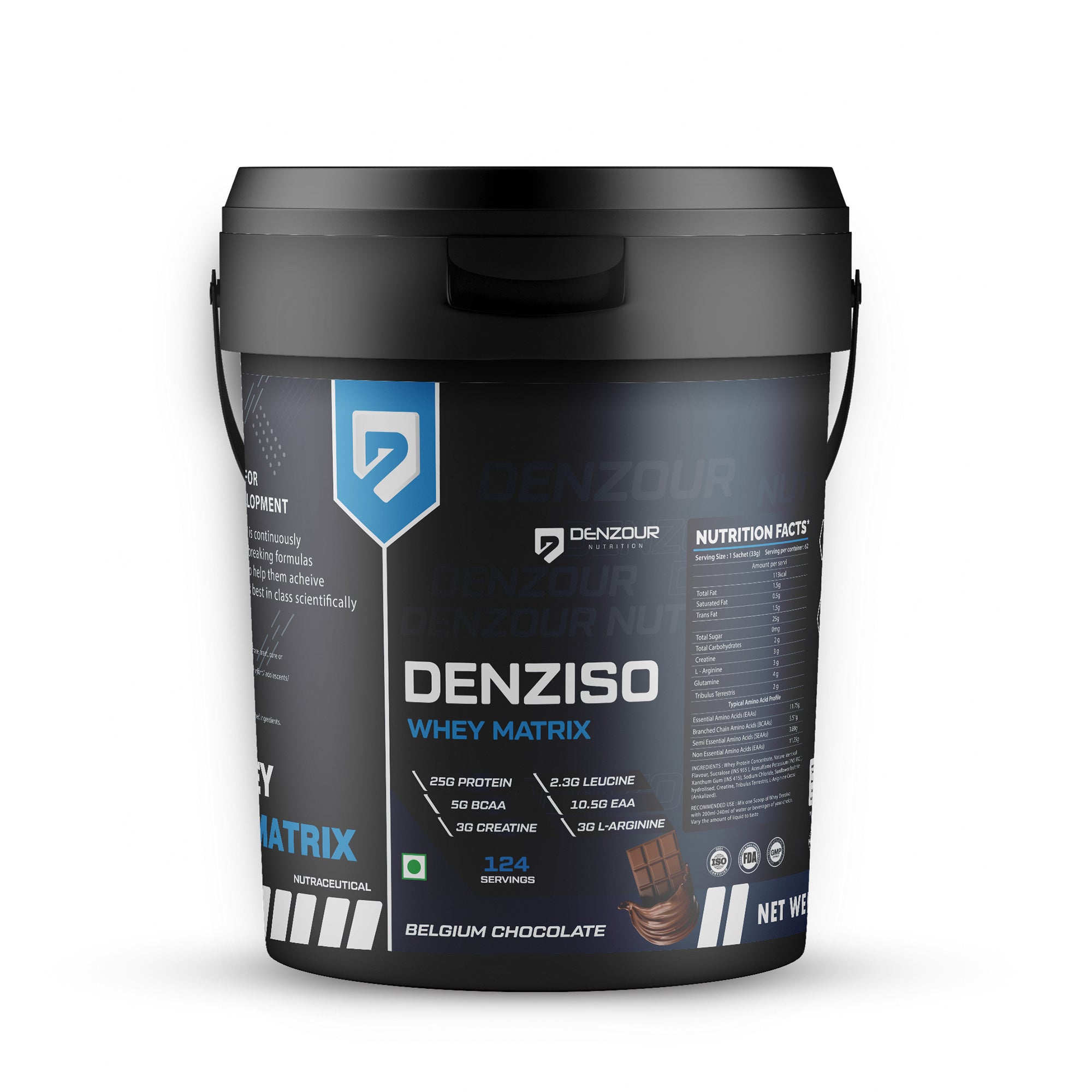
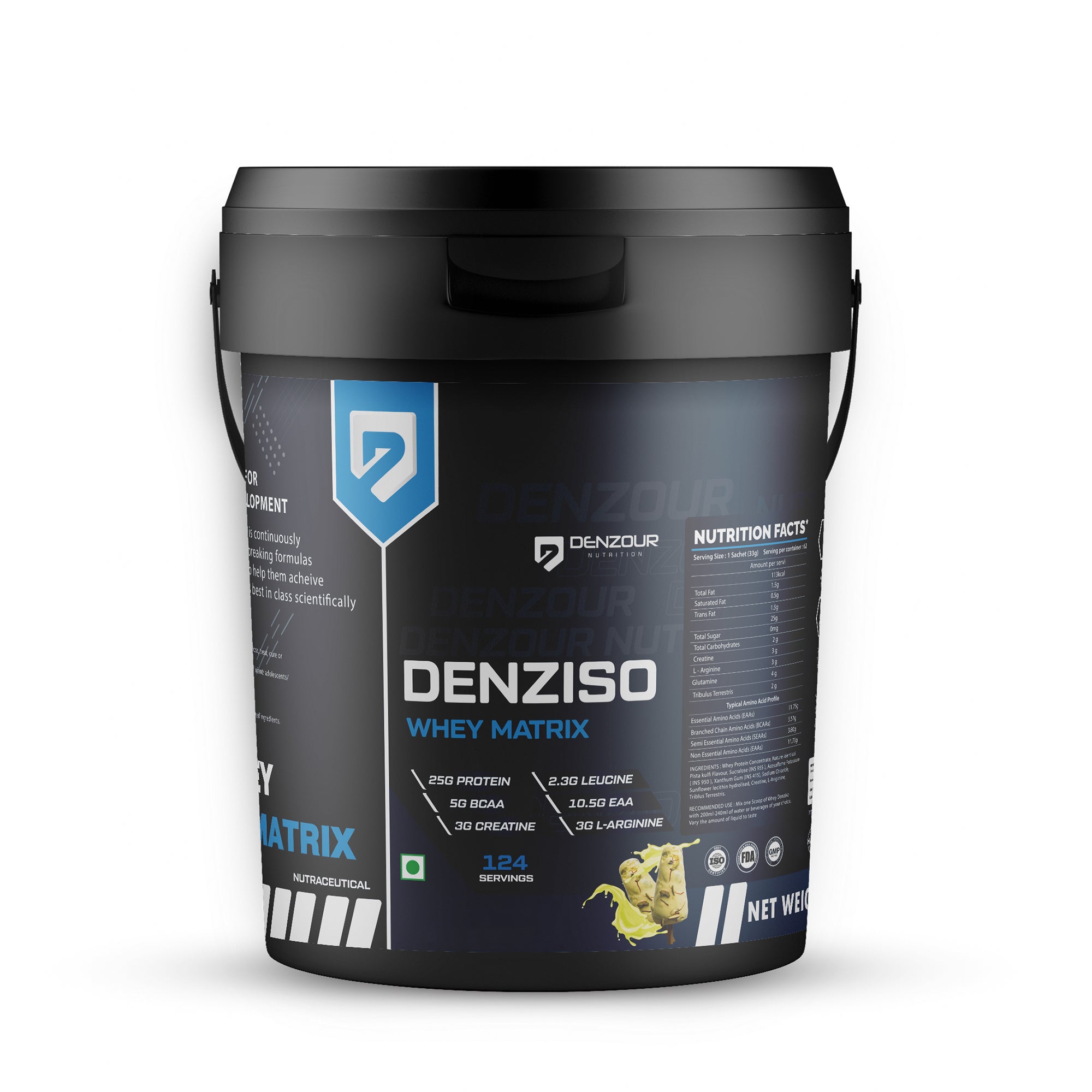
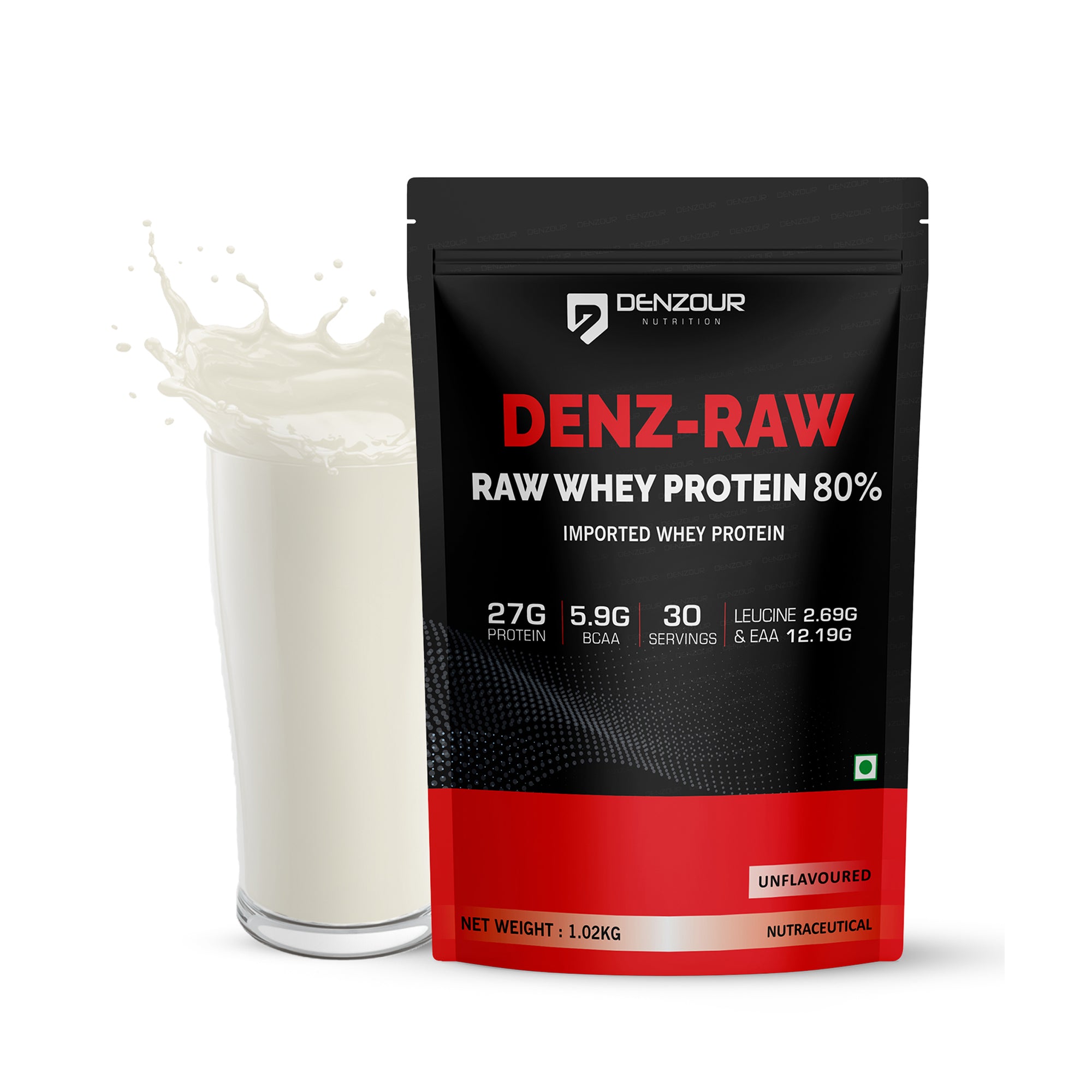
To maintain that high per-bowl protein, stirring in nut/seed butters, adding Greek yogurt or swirling in a scoop of protein powder can complement dry oats mixed with milk/soy milk and sprinkling nuts/seeds on top. These easy moves can turn an undistinguished bowl of oats from a small foundation of protein into a complete, high-protein meal for breakfast or after your workout.

Oats Nutrition Per 100g
One serve (100 g) of raw oats looks something like this:
- Protein: ~16–17g
- Calories: ~389 kcal
- Carbohydrates: 66 g (fiber 10-11g)
- Fat: ~6–7 g (including trace amounts of mono- and poly-unsaturated fats)
- Micros: Manganese, phosphorus, magnesium, copper, iron zinc, B-vitamins such as thiamin and antioxidants like avenanthramides found only in oats.
- Functional fibres: Beta-glucan is a soluble fibre that lowers LDL-cholesterol and has gut health benefits.
Rolled vs Steel-Cut vs Instant: Does the Protein Change per 100g?
Here are the profiles per 100g dry, all from the same grain, so protein is similar: Small differences are due processing or additional ingredients (in instant/flavored packets). As per usual, be sure to always check labels; plain rolled or steel-cut usually fall in the ~11 - 17g/100g range.
Oats Macros per 100g (What You Actually Get)
A very typical macro profile for raw oats per 100g would be 389 kcal, 66 g carbs, 6–7 g fat, 17% calories from protein. This is part of the reason oats are sources of energy as well as somewhat protein-supportive for those who are active.
Are Oats a High-Protein Grain?
Amongst cereal grains, oats are the star performers – says more than a few reputable overviews that oats are “high in protein for a cereal” with figures between ~12–24% of protein by dry weight reported based on cultivar and analytical method. In short: as a grain, oats are stronger than their
Amino Acid Profile & Avenalin: How “Good” Is Oat Protein?
Oats are high in storage protein, which resembles proteins found in the legume family than that of wheat. That means in practice oats have enough of a good amino pattern profile to work well with soy/pea, milk or nuts either side of it for any small gaps. Great for vegetarian and vegan meal planning.
Oats Protein per 100g vs Other Foods
- Oats (dry): ~11–17g/100 g
- Cooked legumes: 7–9g per 100g
- Milk/soy milk (100g/ml): ~3–5g
By combining oats with milk/soy and nuts/seeds, you’re balancing out that amino profile and kicking total protein per bowl up a notch without weighing down your diet.
How to Increase Protein in Oatmeal
- Prepare with milk/soy milk, instead of water.
- Add base of Greek yogurt for additional + 8–10 g per 100g of total protein.
- Mix in nut/seed butters (peanut, almond or tahini).
- Serve with seeds (hemp, chia, pumpkin) for added protein and minerals.
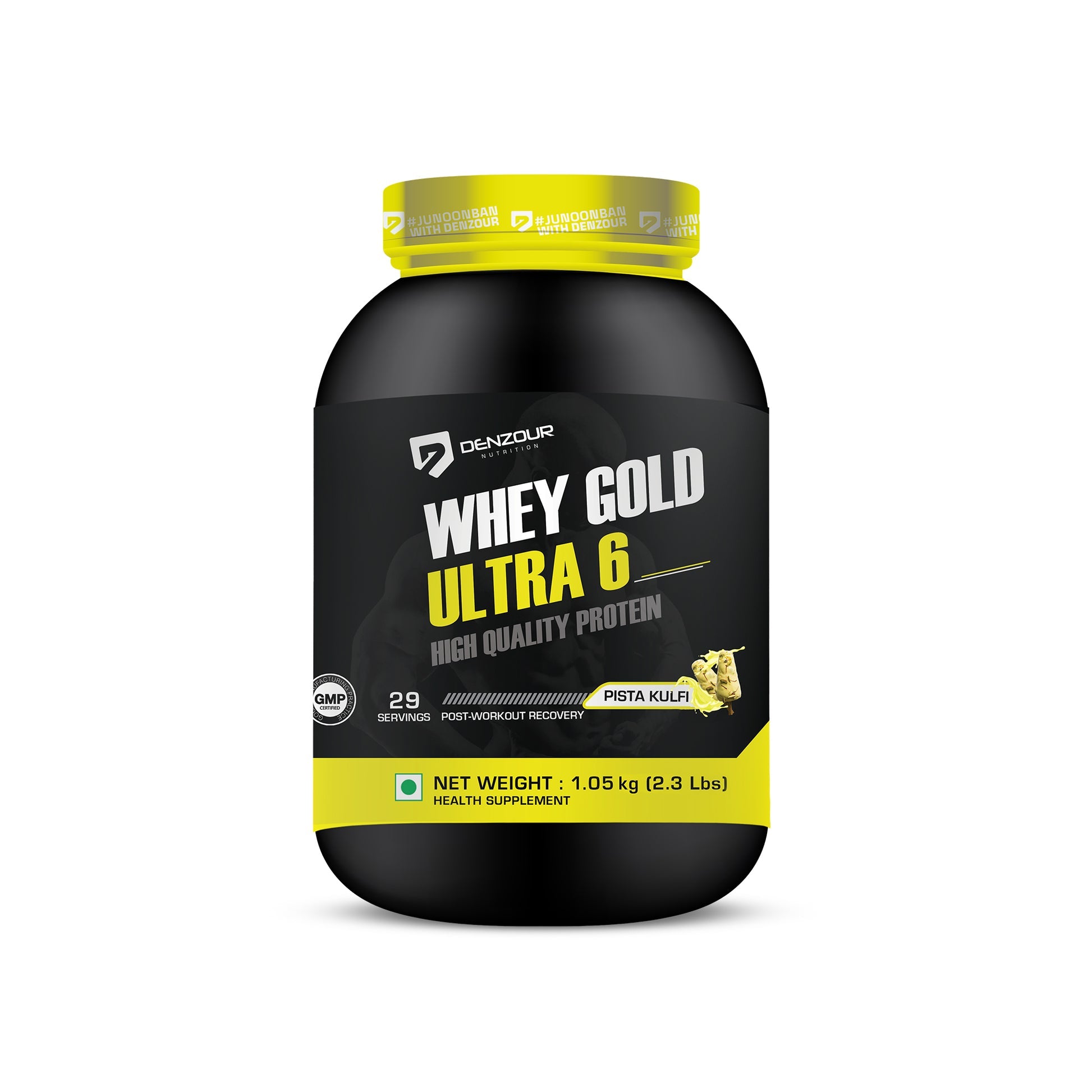
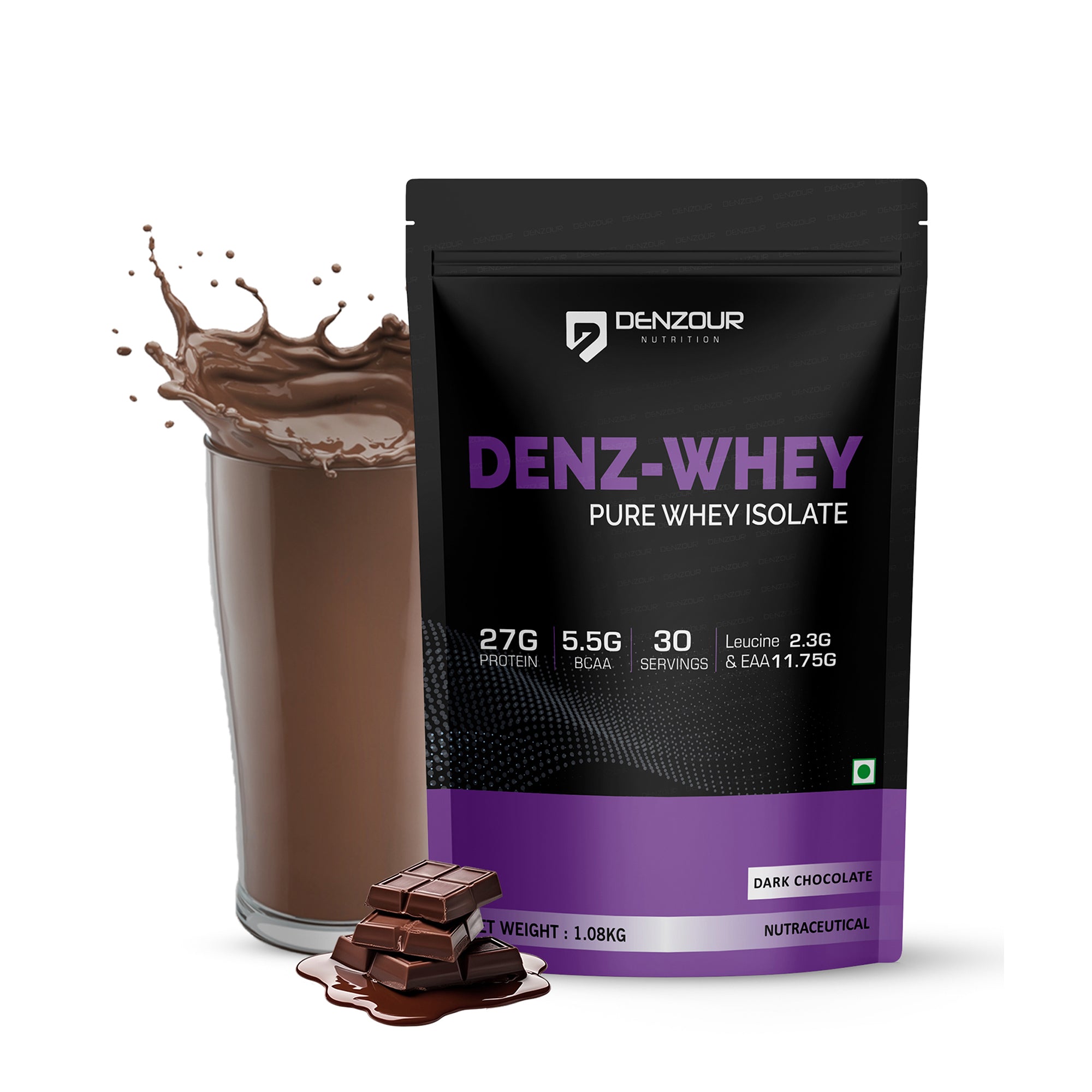
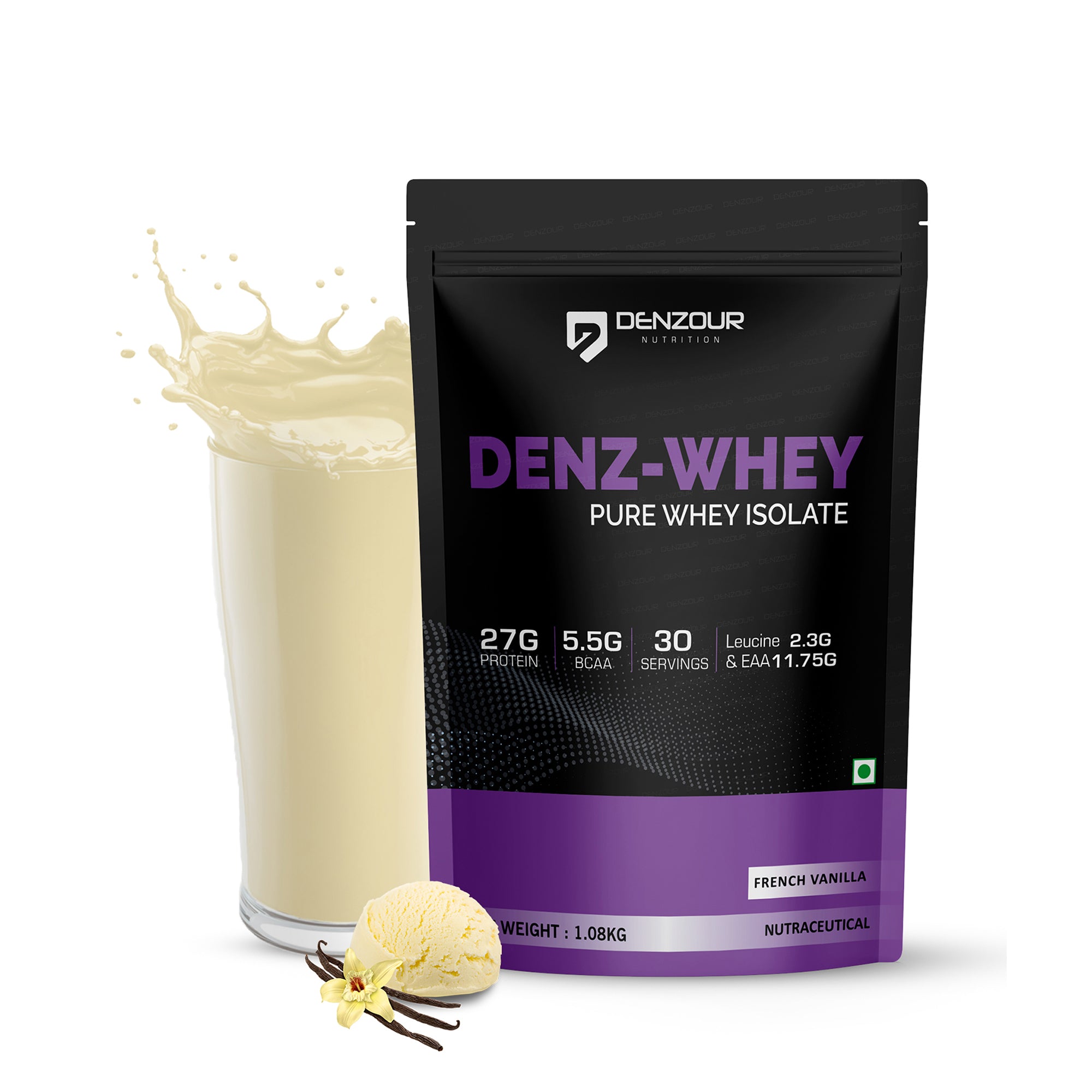
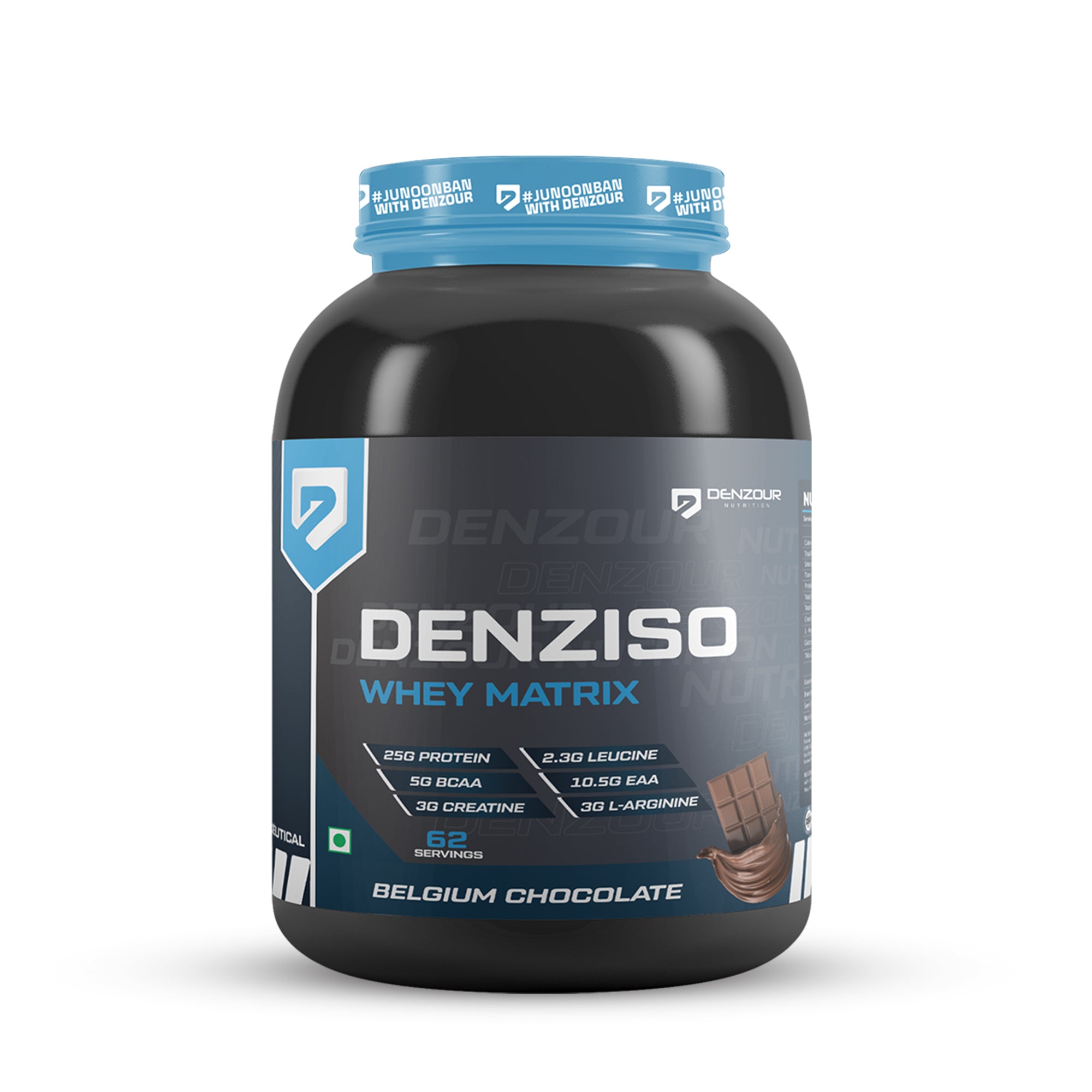
- Blend in a scoop of protein powder (whey or plant) for an instant 15–25g pick-me-up.
Oats for Muscle Gain & Recovery: Does It Help?
Yes especially in a balanced bowl. The slow-digesting carbs help levels of energy remain steady, and oat protein aids with muscle repair. Combine with high-protein liquids or powders to arrive at ~25-35g protein per meal, which is the magic number that a lot of lifters shoot for.
Does Cooking Reduce Protein in Oats
No meaningful protein is “lost.” Cooking induced water uptake and starch gelatinization—increase in weight/volume. So 100g cooked does not equal 100g raw, and protein seems lower as per 100g cooked! Keep track of your oats raw weight if you want to always log things the same macros wise.
Oats Benefits for Health
People commonly search “oats benefits for health” or “oats benefits for cholesterol/heart.” Here’s what’s best-supported:
1. Heart health & cholesterol
Oat beta-glucan (3g/day) is associated with clinically relevant decreases in LDL cholesterol. This is solid enough to support authorised health claims in key jurisdictions. An everyday diet ensures normalisation of blood lipids.
2. Glycemic control & stable energy
Steel cut/rolled oats: Due to the minimal processing, rolled oats have a lower glycemic load than quick-cooking oatmeal. The protein and healthy fats (milk, yogurt, seeds, nut butters) in the drink will help slow glucose rise even more: Think sustained energy.
3. Digestive health & satiety
The soluble and insoluble fibers are good for gut health and fullness potentially support weight management when portions are controlled.
4. Micronutrients & antioxidants
Oats also contain manganese, magnesium, phosphorus, copper and iron as well as special polyphenols known as avenanthramides that are being researched for their anti-inflammatory and vascular effects.
Oats with Milk: How Much Protein Do You Get?
Using 250 ml milk:
- Cow’s milk (3% fat) – ~8g protein
- Buffalo Milk (India, higher fat) protein content the same; calories differ
- Soy milk (fortified): ~7-9g protein
- Pea milk: ~7–8g
- Almond/oat milk: typically less (~1–3g), unless fortified
Example bowl:
50g oats (8g protein) + 250 ml dairy/soy milk (8g) → ~16g without toppings. add 1 scoop whey/pea to jump up to 35–40g total.
Oats with Whey or Pea Protein: Ratios & Recipes
Best ratio (smooth, tasty):
- 50g oats + 250ml milk + scoop of whey/pea
- Mix protein after cooking (if using whey) to avoid clumps. You can whisk some of the scoop into the liquid for pea/soy isolates first before simmering and then add the rest after cooking it.
Flavor hacks: Cinnamon, cardamom, vanilla, cocoa, a pinch of instant coffee or small banana/berries. You can also throw in a pinch of salt — it rounds sweetness.
Peanut Butter in Oats: Protein Add-On
- 1 tbsp (16g) peanut butter → ~ 4g protein
- 2 tbsp → ~7–8g protein
And: heart-healthy fats and more creaminess. If you’re targeting 40 g protein, combine PB with whey/pea or Greek yogurt.
High-Protein Overnight Oats
A) High protein classic overnight oats (≈30–35 g protein)
- 40–50g rolled oats
- 150g Greek yogurt (or hung curd)
- 150–200 ml of milk (dairy or soy)
- 1 tbsp chia seeds
- 1 tsp honey (if using) + cinnamon
- Fruit: berries/banana slices
Directions: Stir together all (except for fruit), refrigerate 6-8 hours, and add fruit before eating.
Macros (like 50g oats and some dairy milk and 150g Greek yoghurt):
I don’t know exactly, something like 30-35g of protein, about 500-600 kcal depending on milk/fat %.
B) Vegan Chocolate-Peanut Butter Overnight Oats (≈32-38g protein)
- 50g rolled oats
- 200 ml soy or pea milk
- 1 scoop pea protein (chocolate or unflavored + a dash of cocoa)
- 1 tbsp peanut butter
- 1 table spoon flax or hemp seeds, ground
- Cinnamon + vanilla (optional)
Method: Shake milk + protein together, add oats and PB, refrigerate 6-8 hours.
Macros (approx): ~32–38g protein depending on brand of protein powder.
C) Overnight oats in Indian style using elaichi-kesar (≈28–34gm protein)
- 45g rolled oats
- 200 ml dairy/soy milk
- 120g hung curd/Greek yogurt
- Cardamom (elaichi) + saffron (kesar)
- Pistachio/almond slivers
- Sweetener: dates paste or stevia, as you like.
Method: Mix all, refrigerate. Top with nuts before serving.
Macros: ~28–34 g protein.
3-Day High-Protein Oats Meal Plan (30–40 g per Meal)
30–40g Protein Each Day Packet Oats Meal Plan for 3 Days With the following foods in the plan, it can be easier to fit into your diet and budget.
Day 1 – After workout (≈38–42g protein)
- 50g rolled oats, cooked in 250 ml milk
- 1 scoop whey stirred in post-cooking
- 1 banana + cinnamon
Day 2 – Preparation Day (≈28-32 g protein)
- Overnight oats: 40 g of oats + 150 g of Greek yoghurt + 150 ml of milk + 1 tablespoon of chia
- Toppings: pomegranate seeds + cocoa nibs
Day 3- High-Protein (Vegan Meal Plan) (≈35–40 g protein)
- 50g oats cooked in soy milk
- 1 scoop pea protein
- 1 tbsp peanut butter
- Cinnamon + berries
Alternative snack (if requiring additional protein): 1 x 200g pot of yogurt or a glass of buttermilk/soy milk during the day.
100g Oats Calories & Portion Control
100g oats = ~ 389 kcal — calorie dense and filling but easy to over-serve. Most bowls use 40-60 grams, not a 100!
Fat loss: Begin with 40g oats + high-protein add-ins (Greek yogurt/pea/whey) to keep things reasonably low calorie and high protein.
Increases to muscle girth: 50–60g oats with milk+protein = 30–40g protein and slow-release carbohydrates.
Tip: If you get hungry before lunch, have some berries or a few more egg whites to the side — not extra oats.
Are 100g Oats per Day Safe? Side Effects & Who Should Be Careful
For the most healthy adults, 100g /day is fine as long as good hydration is provided. Fiber can add bulk to your stool, and if you start too quickly this can make you feel bloated.
Start slow:
- Week 1: 30–40g
- Week 2: 50g
- Week 3: 60–70g+ as tolerated
Be cautious if you have:
- Celiac disease/gluten sensitivity → opt for certified gluten-free oats (see next section).
- Bad IBS or FODMAP triggers → test a bit and keep an eye on symptoms.
- Uncontrolled diabetes → You may want to favor steel cut/rolled oats, add protein/fat with it and pay attention to your response.
Gluten-Free Oats: What to Know
Oats on their own are naturally gluten-free, but become contaminated with wheat/barley/rye during harvesting and processing. If you need to steer clear of gluten, purchase certified gluten-free oats from trustworthy companies. Introduce slowly, and if symptoms return (oat avenins can cause problems for some with celiac disease).
Best Time to Eat Oats for Protein
- Morning: High in protein and fiber for consistent energy and fullness.
- Pre-workout (60–90 min): Whey/pea protein with oats or Greek yogurt + amino acids + carbs.
- After workout: Combine Oats with protein fast /complete (whey casein soy) to help muscle recover.
- Evening: For a lighter dinner, go with overnight oats (pre-measured) and casein-based dairy to slow the AM amio release.
Conclusion: Eat when convenient — as long as you’re hitting a protein goal on the day and rounding out your bowl.


