









Peanuts are one of the cheapest and most popular sources of high-quality plant protein, in India as well as worldwide. Some think of peanuts as being “only a snack” but nutritionally, they are so much more- peanuts offer a powerful combination of plant protein + healthy fats + fiber + key minerals which make them useful for fitness goals, daily smart snacking and nutritious eating.
100g of raw peanuts has 25.8g protein and 567 calories. To note, the values can be slightly different depending on variety and preparation (raw vs roasted vs boiled).
How Much Protein in Peanuts Per 100g?
Peanuts are actually one of the most protein-rich plant-based foods you can munch on. The average amount of protein contained in raw peanuts is roughly 25–26 grams per 100 gram (or ~25.8g/100g). That means about one-quarter of the weight of a peanut is protein, making peanuts popular in budget-friendly fitness diets and vegetarian meal plans. It may be a little more or it may be a little less, depending on the variety of peanut and how they’re processed, but that’s roughly the range for most plain peanuts. In addition to protein, peanuts also supply healthy unsaturated fats and some fibre, so a small serving can seem very satisfying. High in calories, think of peanuts as a portion-controlled protein boost, not an open-ended snack.
Key points (per 100g, approx.):
- Protein: ~25.8g (raw peanuts)
- Serving: Smattering (28-30g): approximately 7-8g protein
- Dry roasted peanuts: the protein in 100g is about the same; with peanut oil-roasted it might add calories.
- Boiled peanuts: Might appear lower in protein “per 100g” because they have taken on water (nutrition is watered down per gram)
- Peanut butter: protein may be similar, but depends on the brand and any added ingredients
What affects protein per 100g?
- Preparation procedure (raw, dry roasted, oil roasted, boiled)
- Extra coatings (masala, sugar, flour mixes) which affects the final nutrition
- Shelled Kernels / Edible Portion When comparing against peanuts with shells
Smart ways to use peanuts for protein:
- A quick addition to your daily meal is by adding 1-2 tbsp crushed peanut with oats, salad or curd for some protein.
- Combine peanuts with cereals (roti, oats, rice) or dairy/soy to balance and improve the overall amino-acid profile of the meal.
- Don’t eat 100g of peanuts at a time if your goal is fat loss, rather make sure you have them weighed out (e.g. 20-30g).
- For muscle forming: peanuts as a topper with a main source of protein (eggs/dairy/soy/lentils)
Tip: If you track macros, weigh shelled roasted peanuts and keep them to a minimum to avoid salt (for homemade) or overprocessed oils and sugar (for packaged).
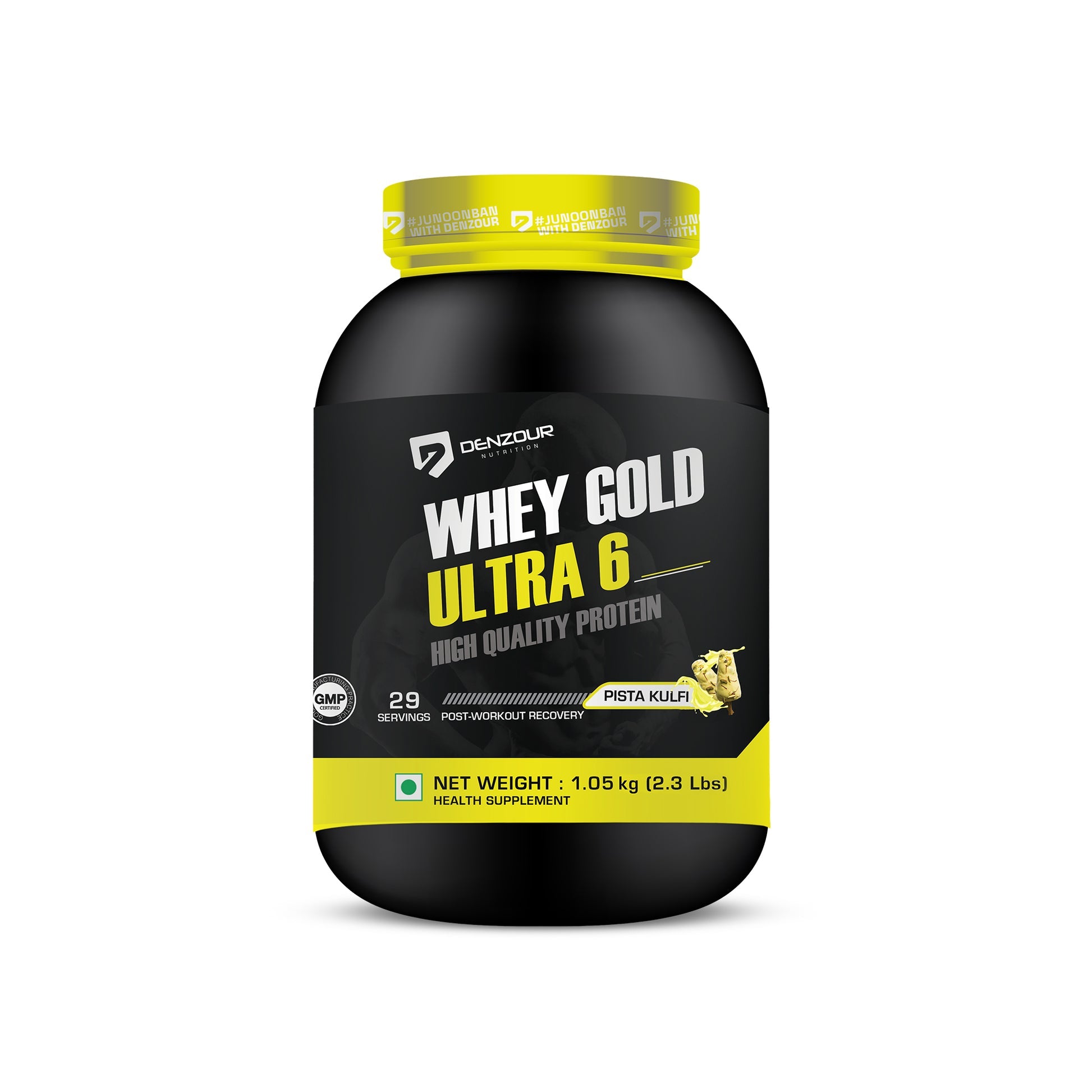
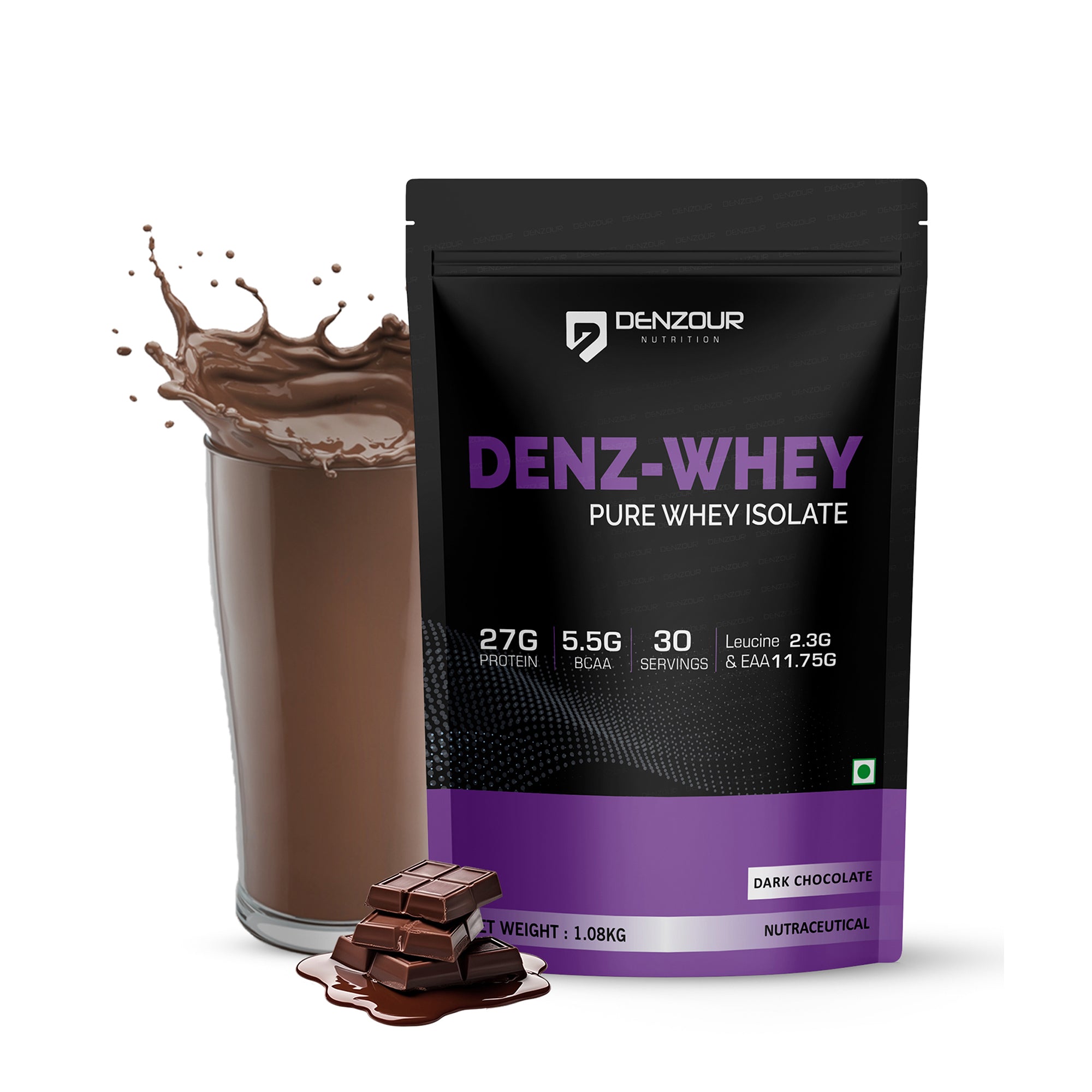
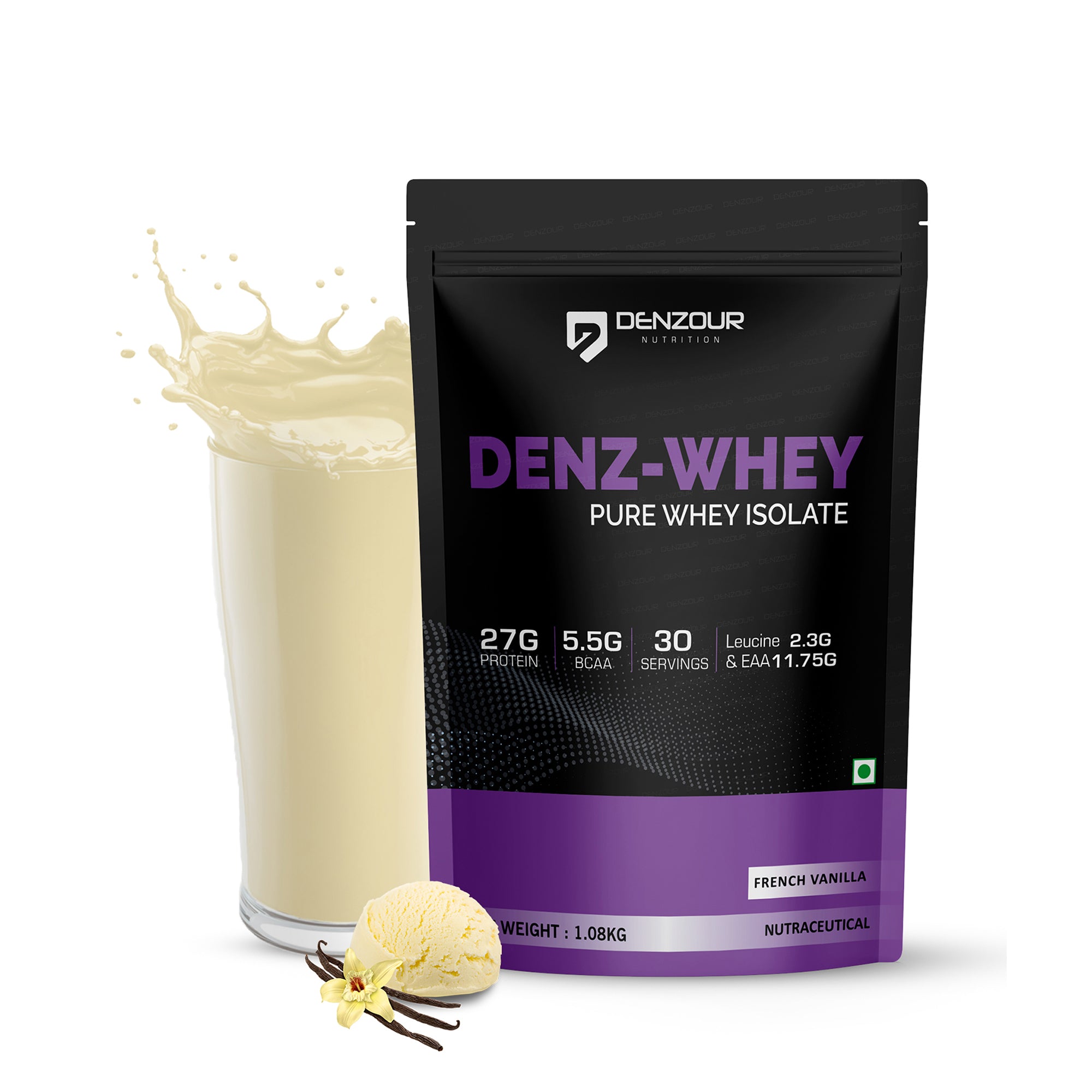
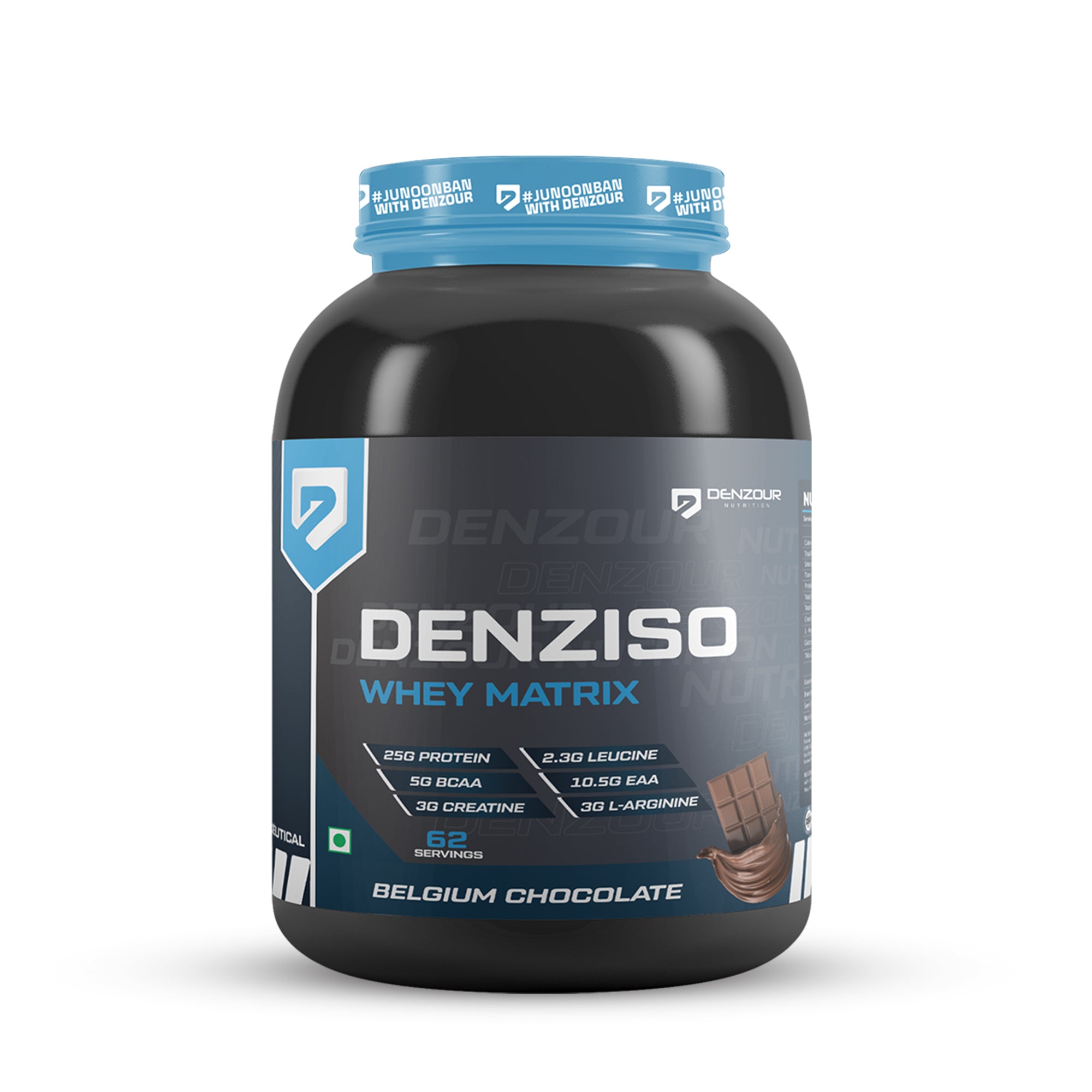
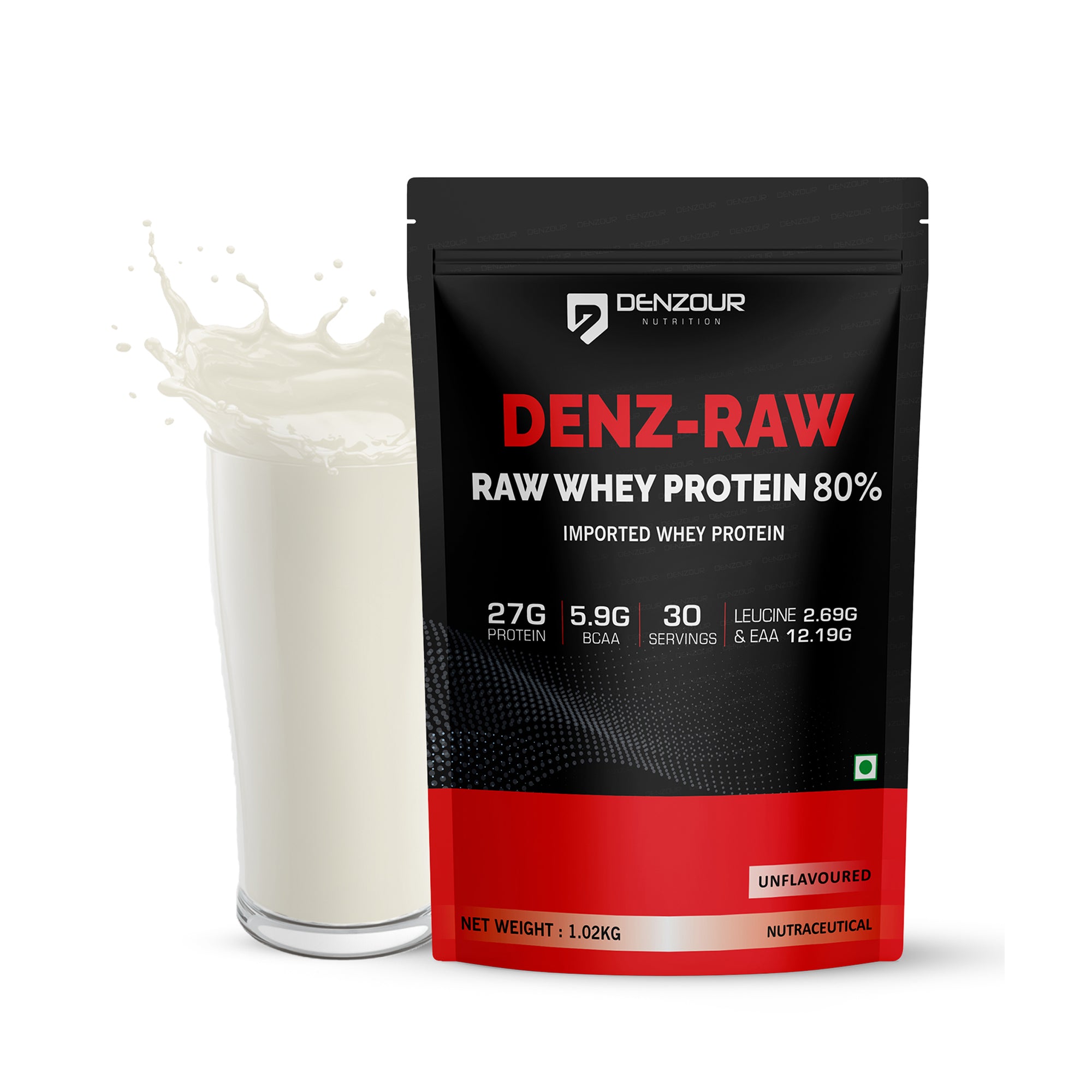
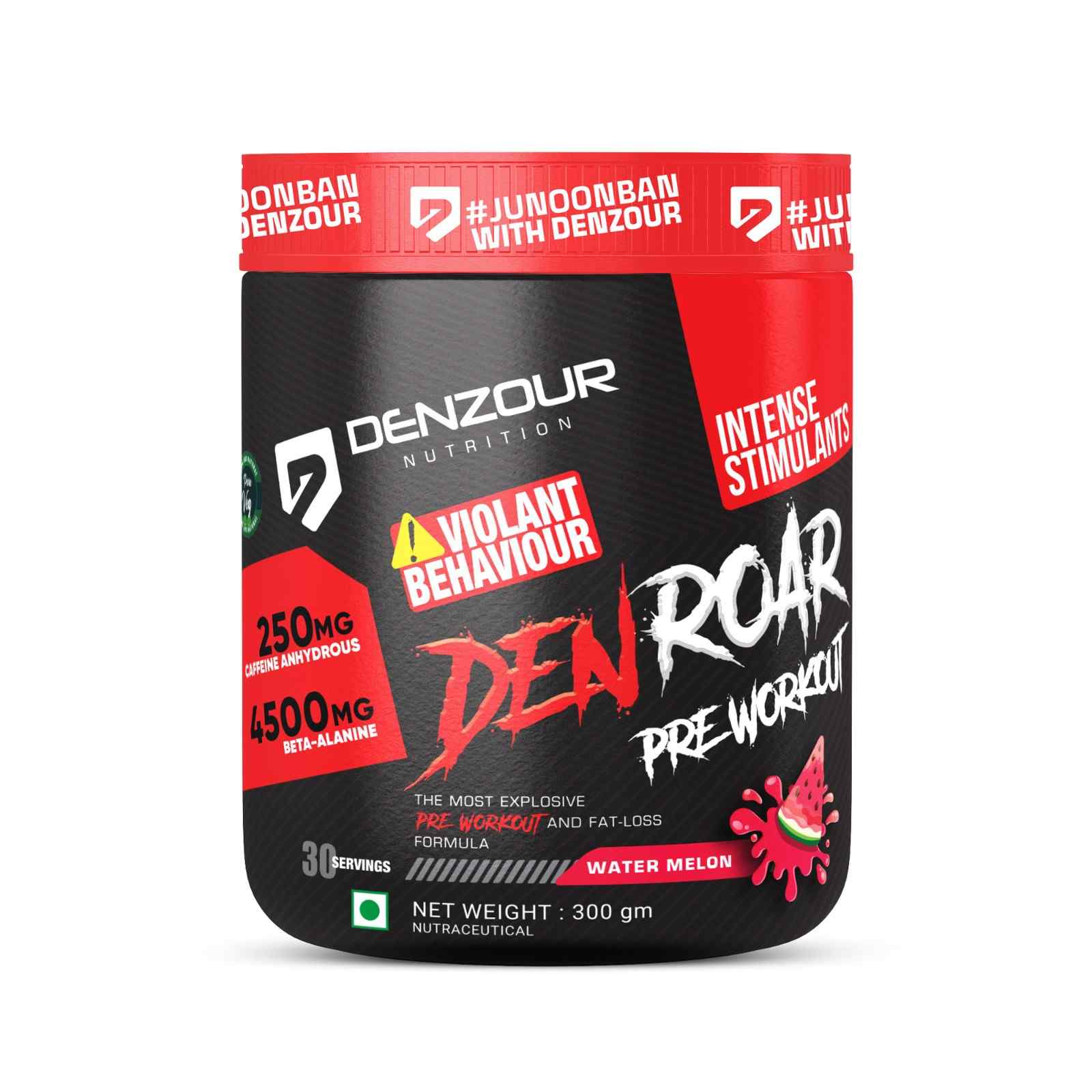
For an easy way to increase your protein intake daily in addition to peanuts ask about other whey protein options too, such as,Denz-Raw | Raw Whey Protein 80% (Unflavoured). The product boasts of 27g protein per serving, 5.9g BCAA and 12.19g EAAs that can be beneficial for the daily protein requirements as well as muscle recovery. You can stir it into water or milk, or mix it in to oats — then pair with a small handful of peanuts as a crunchy, nutrient-dense snack on the side.

Calories in 100g Peanuts (Raw vs Roasted)
Peanuts are relatively high in calories, so the “raw vs roasted” distinction really only matters for folks who are tracking weight loss/gain (or counting macros) closely. Raw peanuts are bulky, offering roughly 567 kcal per 100g, and dry-roasted nuts assuming that they contain no added oils are moderately more energy dense: approximately 584–585 kcal per about 100g since roasting decreases the water content of the peanuts (as well as increases the calories on a weight basis; this can be misleading).
If the peanuts are oil-roasted, we would have to add in more calories for any oil that is absorbed and if they are coated/flavoured (they could be masala, honey- roasted or sugar-coated) Your calories will vary greatly.
Calories in 100g peanuts (raw/roasted)
- Raw peanuts (100g): ~567 kcal
- Roasted peanuts (dry-roasted) (100g, no salt): ~584–585 kcal
Why roasted peanuts can have more calories per 100g
- Loss of moisture: the same nutrients, just less water → calories appear higher “per 100g”
- Roasting process: dry roasted vs oil roasted (oil adds calories)
- Add-ons: salt will not give you calories, and coatings (jaggery/sugar/flour) will.
Practical tip (portion control)
30g peanuts (small handful) can already be ~160–180 kcal depending what type so portion control is good if you have a fat loss goal.
Nutritional Value of Peanuts Per 100g (Macros + Fibre)
Here’s the average nutritional information per 100g raw peanut which is commonly quoted:
- Protein: 25.8g — In a 100g of raw peanuts, there is 25.8g of protein.
- Calories: 567 k calories- In a 100g raw peanut, you get 567 kcal.
- Fat: 49.2 per 100g raw peanuts have 49.2g fat in them.
- Carbs: 16.1g —100g raw peanuts contain 16.1g of carbohydrates.
- Fibre: 8.5g — It contains 8.5g dietary fibre in every 100g raw peanuts.
- Sugar: 4.7g — There is 4.7g of sugar in 100g of raw peanuts.
What these macros are (in order of appearance)
1) Protein (25.8g)
Peanuts have a relatively high protein content for a plant food, and are one of the cheap sources of daily protein for vegetarians as well as those not wanting to eat meat.
2) Fat (49g)
Peanuts are fatty, but most of the fat is unsaturated (the “good” kind). That’s why peanuts can be so filling — and satisfying.
3) Carbs + fibre
Peanuts are not “high-carb” in relation to other snacks, and the fibre is helpful for satiety/digestion.
Vitamins and Minerals in Peanuts
Peanuts are more than a great way to get protein and healthy fats—they’re an excellent source of nutrients that bolster energy, keep the immune system strong and protect overall health. Peanuts, as you may know, are also full of vitamin E and B-vitamins (including niacin and folate), as well as minerals such as magnesium, phosphorus, potassium and zinc. These nutrients play roles in processes such as muscle recovery, nerve function, red blood cell formation and maintaining healthy skin and heart health.
Key vitamins in peanuts
- Vitamin E – promotes skin health and functions as an antioxidant
- Niacin (Vitamin B3) – supports energy and metabolism
- Folate (Vitamin B9) – helps red blood cells and essential for general growth and repair
- Thiamin (Vitamin B1) – assists in turning food into energy
- Vitamin B6 – benefit for the brain and the immune system
Key minerals in peanuts
- Magnesium – for muscles, nerves and energy production
- Phosphorus — needed to build bones and teeth
- Potassium – helps with hydration and heart health
- Zinc – helps in immunity and healing
- Iron – transports oxygen in the blood
- Copper – to aid iron absorption and promote healthy connective tissues
- Manganese – metabolism & antioxidant enzymes
Tip: Nutritional information may vary somewhat depending on whether peanuts are raw, dry-roasted or boiled and have added salt or coatings.
Protein in Roasted Peanuts vs Raw vs Boiled vs Peanut Butter
Peanuts are themselves rich in protein, although the exact amount of protein per 100g can vary slightly depending on the way they’re processed. Raw and roasted peanuts will usually have a very similar protein content, whereas boiled peanuts might show significantly less protein per 100g — which is probably because they’re cooked in water and soak it up so the nutrition actually gets “watered down” by weight. Peanut butter can be a significant source of protein, but it depends on the brand and whether or not you factor in its added ingredients — sugar for some; oil for others.
Protein comparison (per 100g, approx.)
- Raw peanuts: ~25–26g protein
- Roasted peanuts (dry-roasted): ~25–27g protein (typically very close to raw)
- Boiled peanuts: lower per 100g (due to water content)
- Peanut butter: ~24–30g of protein; depending on ingredients and brand
Quick notes (important)
- Dry-roasted peanuts maintain protein as is, although calories could increase a tad because of water loss.
- Oil-roasted peanuts may add additional calories (though not additional protein).
- Boiled peanuts may “feel” like they have “less protein,” but that is primarily due to the fact you are eating more water weight per 100g.
- Peanut butter can be a handy source of protein, but double-check the label: some brands add sugar and oils.
Hint: For highest quality protein, select plain roasted peanuts or natural peanut butter (peanuts + salt only).
Is Peanut Protein “Complete”?
Peanut protein, in the botanical sense of belonging to the legume family, is not a complete protein. A “complete protein” provides all 9 of the essential amino acids in adequate amounts. Peanuts do contain all the essential amino acids, however some are not as prominent or abundant as others, therefore Peanuts are often categorised as an incomplete/ less balanced plant protein when consumed in isolation.
Key points (simple)
- Complete protein = all the amino acids you body needs in perfect order
- Peanuts = High in protein, but amino acid profile is not perfectly balanced
- That, she added, is why peanuts are great when you’re using them as a protein booster — not as the only source of protein.
How to make peanut protein more “complete”
Combine peanuts with other foods that are good matches for amino acids including:
- Groundnuts + whole grains (roti, rice oats or breads types)
- Peanuts + dairy such as milk, yogurt and paneer
- Peanuts + beans (dal, chana, rajma, soy)
Practical tip
If you’re aiming for increased protein likings or muscle mass gains, then keep peanut as part of your diet but club it with a main protein source(dal/paneer/eggs/chicken/whey) in order to have better overall quality of proteins.
Health Benefits of Peanuts
Not only are peanuts a crunchy, satisfying nut (and botanically a legume), but they also have many nutritional benefits including protein, healthy fats, fibre and essential vitamins and minerals to meet all your snacking needs! Consumed in the correct portion, peanuts can promote everyday health and fitness goals, and enhance satiety (the feeling of fullness). Peanut's top 3 health advantages This is what makes peanut such an extremely valuable nutrition source for any active person.
1) Supports Muscle Health and Recovery
Peanuts offer a decent protein punch, which will help support muscle repair and maintenance. That makes them a valuable part of vegetarian diets and weight-room meal programs.
2) Helps You Feel Full for Longer
And since peanuts have protein + good for you fat + fibre, they take a while to digest = can combat that never-ending hunger and all the crazy cravings. This is part of the reason peanuts often make a better snack choice than chips or sweets.
3) Provides Heart-Friendly Fats
Peanuts are largely made up of unsaturated fats, which typically are good for your heart, as opposed to trans fats or an excess in saturated fats. This is one of the reasons peanuts are a part of balanced meals.
4) Supports Daily Energy
Peanuts are energy-dense, both a quick and lasting source of nutrition. These can be useful for people on the go, to take along while traveling, for students and anyone else who needs a fill when they are between meals.
5) Good Source of Important Minerals
Minerals in peanuts: Peanuts are a source of minerals such as magnesium, copper, phosphorus, potassium, zinc and iron that perform many bodily functions; ranging from muscle function to bone health to immune system strength and oxygen transport.
6) Can Fit Into Weight Management (With Portion Control)
Peanuts can be weight loss-friendly since they are filling—but loaded with calories. As long as you keep serving sizes in check (small handfuls), they can fit comfortably into both fat-loss and healthy weight-gain plans.
Tip: For the best of the benefits, opt for plain raw or dry-roasted peanuts and resist purchasing heavily salted, sugar-coated or deep-fried peanut snacks.
Are Peanuts Good for Weight Loss or Weight Gain?
Yes — peanuts can be beneficial for both weight loss and weight gain, depending on portion size and how you use them in your diet. Peanuts are dense in calories but also have protein, healthy fats and fibre that can help you feel fuller, longer. So it will help you shed pounds (by preventing hunger) or gain them (its added calories are extra, to the rest of what you eat and drink) — depending on how much and often.
Peanuts for Weight Loss
Peanuts can be useful for weight loss because they:
- Satisfy you for longer (protein + fats + fibre)
- Reduce cravings and unnecessary snacking
- Work really well as a healthy snack alternative (no chips or sweets)
Best approach: Have a small amount (a small handful, say 20-30g) and don’t eat directly from a big bag.
Peanuts for Weight Gain
Peanuts are good for weight gain as they:
- Add high calories quickly
- Package protein + fats (great for gaining weight)
- Easy to eat every day and affordable
Best approach: increase intake to 40-80g a day (sticking to your calorie goals) and mix with calorie dense foods, such as milk, bananas, oats or peanut butter sandwiches.
Important Tip
- If you consume more than a small handful of peanuts, weight gain is likely to occur because calories add up quickly.
- To get the most benefit, opt for dry roasted or RAW peanuts – not sugar-coated peanut snacks or deep-fried ones.
Are Peanuts Good for Diabetes?
In fact, peanuts can be a smart choice for many people with diabetes as they are low in carbohydrate content and have a beneficial combination of protein, healthy fats and fibre that may help you feel full and satisfied so that you won’t overeat high sugar snacks. This can make peanuts a more intelligent snacking option compared with biscuits, sweets or fried chips. But peanuts are also a calorie-dense food, so portion size counts—overdoing it can contribute to higher calorie intake and weight gain, which may affect blood sugar control in the long run.
The healthiest pick is nonflavored raw or dry-roasted peanuts with no added sugar or extra salt, and peanut butter should be ideally be natural (just peanuts with few additional ingredients). If you have diabetes along with kidney disease, high blood pressure, or any other medical condition that requires you to follow a diet plan, be sure you follow your doctor or dietitian’s guidance for daily portions and overall diet planning.
Best Ways to Add Peanuts to Your Diet
Integrating peanuts into your daily meals is a simple and straightforward way to boost protein + healthy fats. The trick is to enjoy them in moderate amounts (particularly if you’re trying to control weight), and opt for plain raw or dry-roasted peanuts as often as you can.
1) As a healthy snack
- Snack on a small handful (20–30g) of roasted peanuts between meals
- Combine peanuts with roasted chana or seeds for a healthy snack
- Don't opt for candied or deep fried peanuts
2) Add to breakfast
- Over oats, muesli or porridge: Add crushed peanuts
- Sprinkle peanuts over poha, upma or sprouts chaat
- Spread 1-2 tbsp peanut butter over whole wheat toast
3) Use in lunch/dinner meals
- Make peanut chutney with idli/dosa
- Toss roasted peanuts in salads They add texture and protein.
- Prepare gravies/curries with peanuts (in limited quantity)
4) For gym and high-protein goals
- Combine peanuts with curd/milk/paneer or dal/soy for higher total quality of the protein.
- Mix some peanut butter into banana, oats smoothie (Works the best for bulking)
5) Quick homemade options
- Peanut + jaggery chikki (portion-controlled)
- Trail mix made at home (peanuts + raisins + seeds)
- Peanut laddu (I will add less sugar and no oil)
Tip: If your goal is fat-loss, consider peanuts a “topping” or small snack — not an unending munching food.
Peanut Butter vs Peanuts: Which Is Better for Protein?
Both peanuts and peanut butter are good sources of protein, but the better choice for you depends on your individual goal and the quality of products available to you. In general, protein per 100g is almost the same.IIRC. Peanut butter can be a different because some brands add sugar, hydrogenated fats, or an excessive amount of salt which weights things (and impairs nutrition) and makes it less ‘clean’.
Peanuts (whole peanuts)
- More natural, minimally processed food
- Easier portion control (you can count out a small handful)
- Crunch + roughage (whole peanuts generally feel more satisfying)
- Budget-friendly daily protein support
Peanut Butter
- Ease of use (spreads, blends, and shakes!)
- A Fast calorie + protein hit (and great if you are bulking)
- Smooth texture and digestibility for some individuals
What to choose for best protein results
- For a clean protein + superior grip, select plain roasted peanuts.
- To make it easy, opt for natural peanut butter with a few simple ingredients like: “Peanuts (and maybe salt)” only.
- If trying to work on health and fitness ont go for peanut butters with sugar, or palm oil or hydrogenated oils!.
Tip: If you are looking to lose fat, peanuts may be a better option because they are easier to portion control. If you are looking to gain weight, I find it is easier to get down more calories of peanut butter.
Side Effects of Peanuts
Peanuts are actually healthy but can be bad for some people – if those people eat too many, or have an allergy. Understanding these risks can help you consume peanuts safely and in moderation.
1) Peanut Allergy (Most Serious)
Allergic reactions ranging from itching, hives and swelling to breathing difficulties, even life-threatening anaphylaxis can occur in those allergic to peanuts. If you’ve had symptoms before after eating peanuts, don’t eat them and consult a doctor.
2) Weight Gain (If Overeaten)
Peanuts are calorically dense, so overdoing it could lead to calorie surplus and consequently, weight gain. For fat - loss goals, portion control is key.
3) Digestive Issues
Some people might feel bloated, gassy or acidic after peanuts particularly if they eat too many at once or happen to suffer from a sensitive stomach.
4) High Sodium (Salted Peanuts)
Those packages of salted peanuts can drive up your sodium intake, which may not be a healthy move for those with high blood pressure. Avoid salted or flavored varieties.
5) Risk of Contamination (Improper Storage)
Peas appear to be the easiest to screw up, so stick with quality products or choose peanuts first. Badly-stored peanuts can also get fungus and toxins developing on them. Purchase from a reputable source and always keep peanuts in a cool, dry, air-tight container.
6) Skin Issues (In Some People)
Oily food such as peanut might cause acne flair up on your skin if you have sensitive skin.
Tip: Select plain raw/dry-roasted peanuts, don’t overconsume and discontinue use at the first sign of allergy-like symptoms.
Conclusion
Peanuts are an inexpensive and nutrient-rich food that can readily be included in almost any type of diet, as long as it is consumed in appropriate amounts. Weight trainers in particular are partial to them, due to their high levels of protein, healthy fats and fibre content—perfect for an on-the-go snack or added to meals designed for fitness and everyday nutrition.
More importantly, peanuts are free from added sugars and naturally high in protein - with25 to 26 grams per 100g – which is why they’re a popular snack among vegetarians and gym-goers. Since peanuts are also high in calories, it’s recommended to enjoy them in moderation and opt for plain raw or dry-roasted ones without vast amount of salt added, or coated with sugar for better results.


