



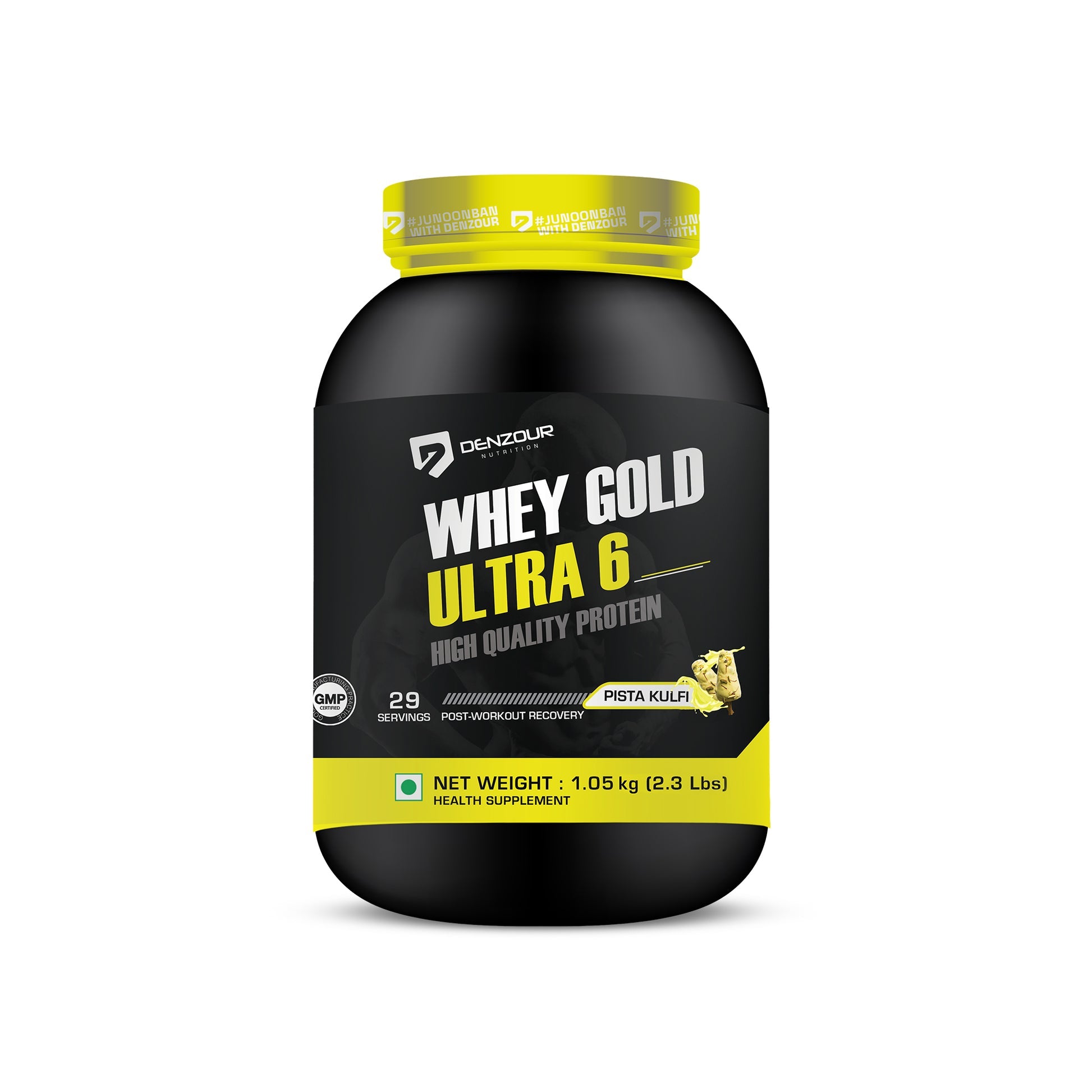
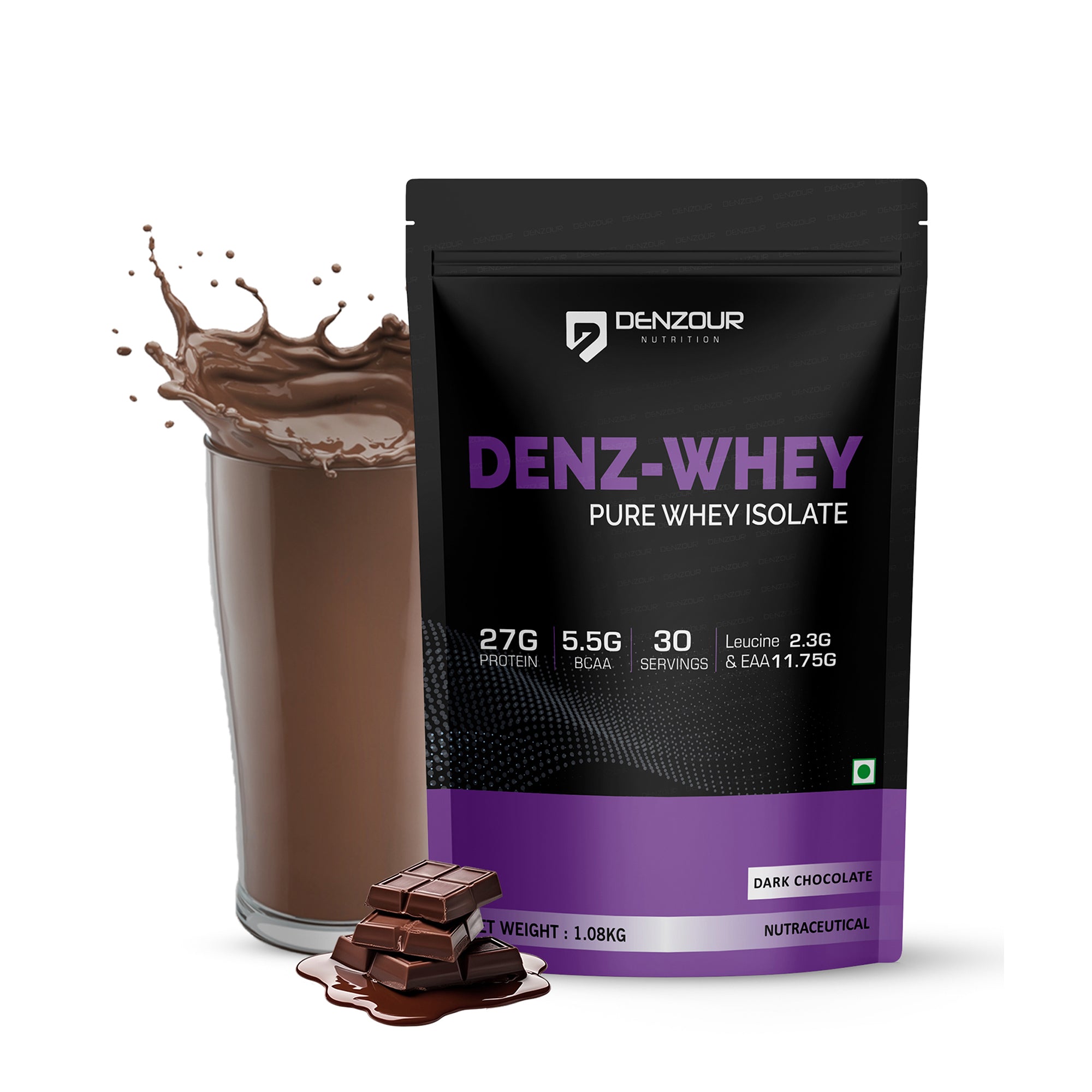
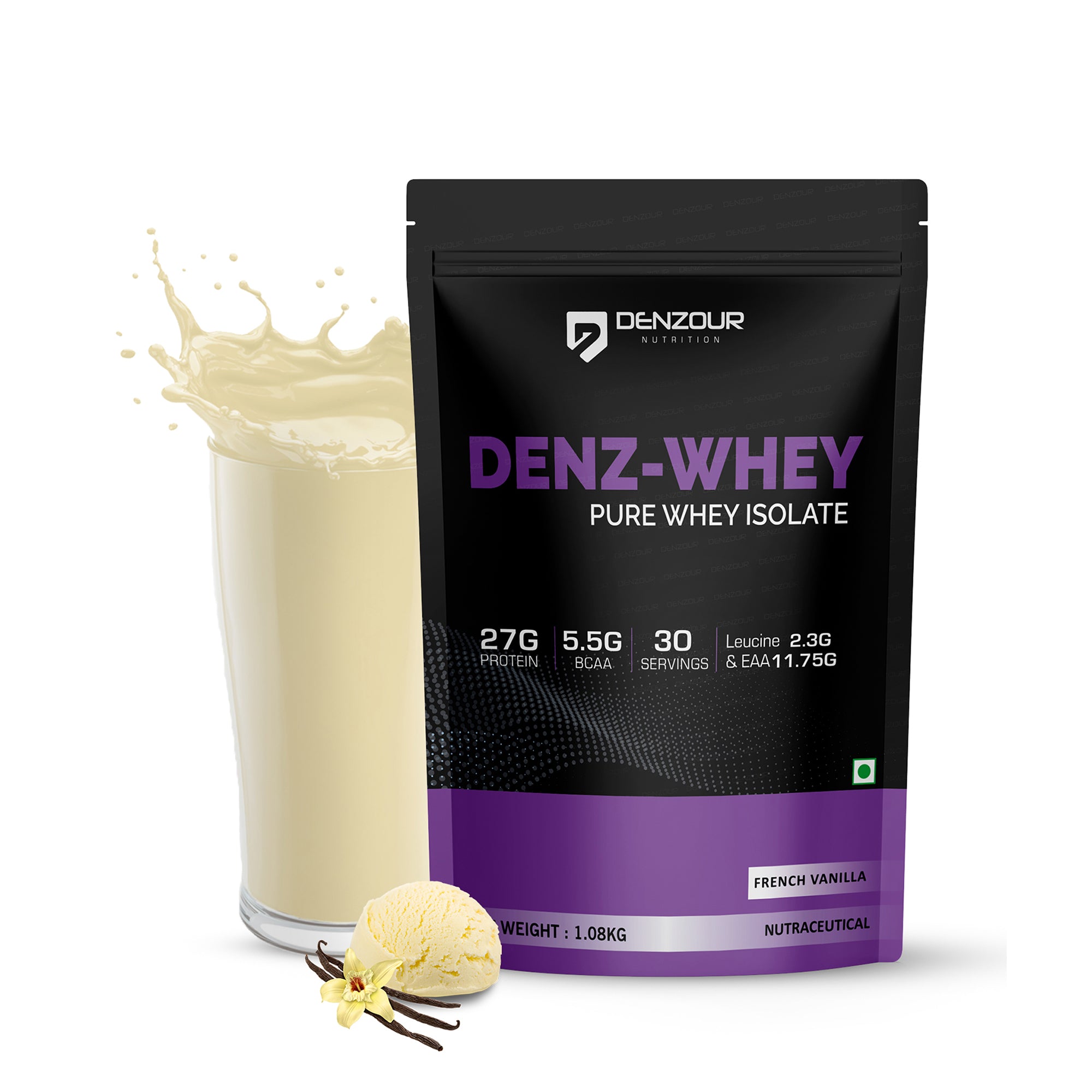
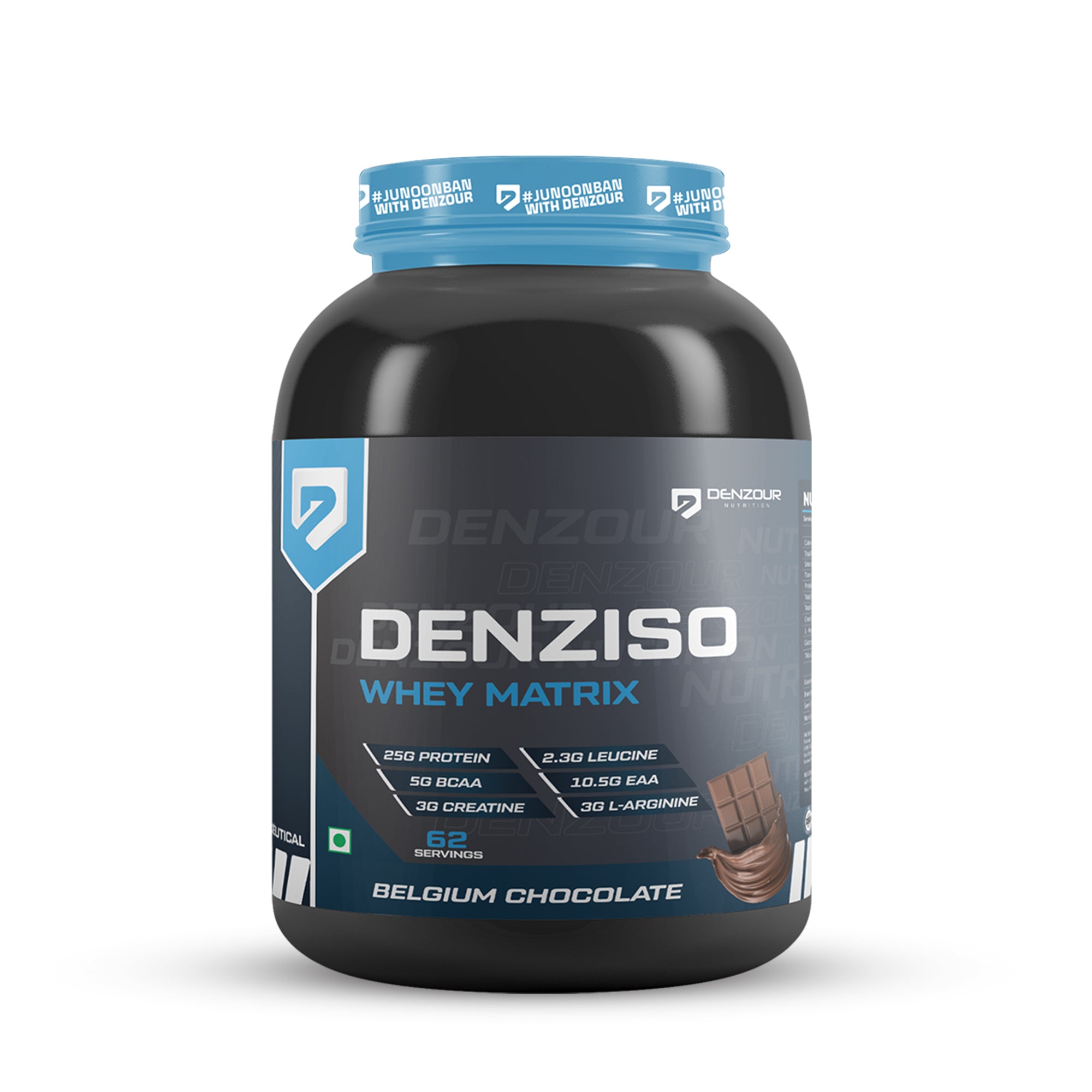




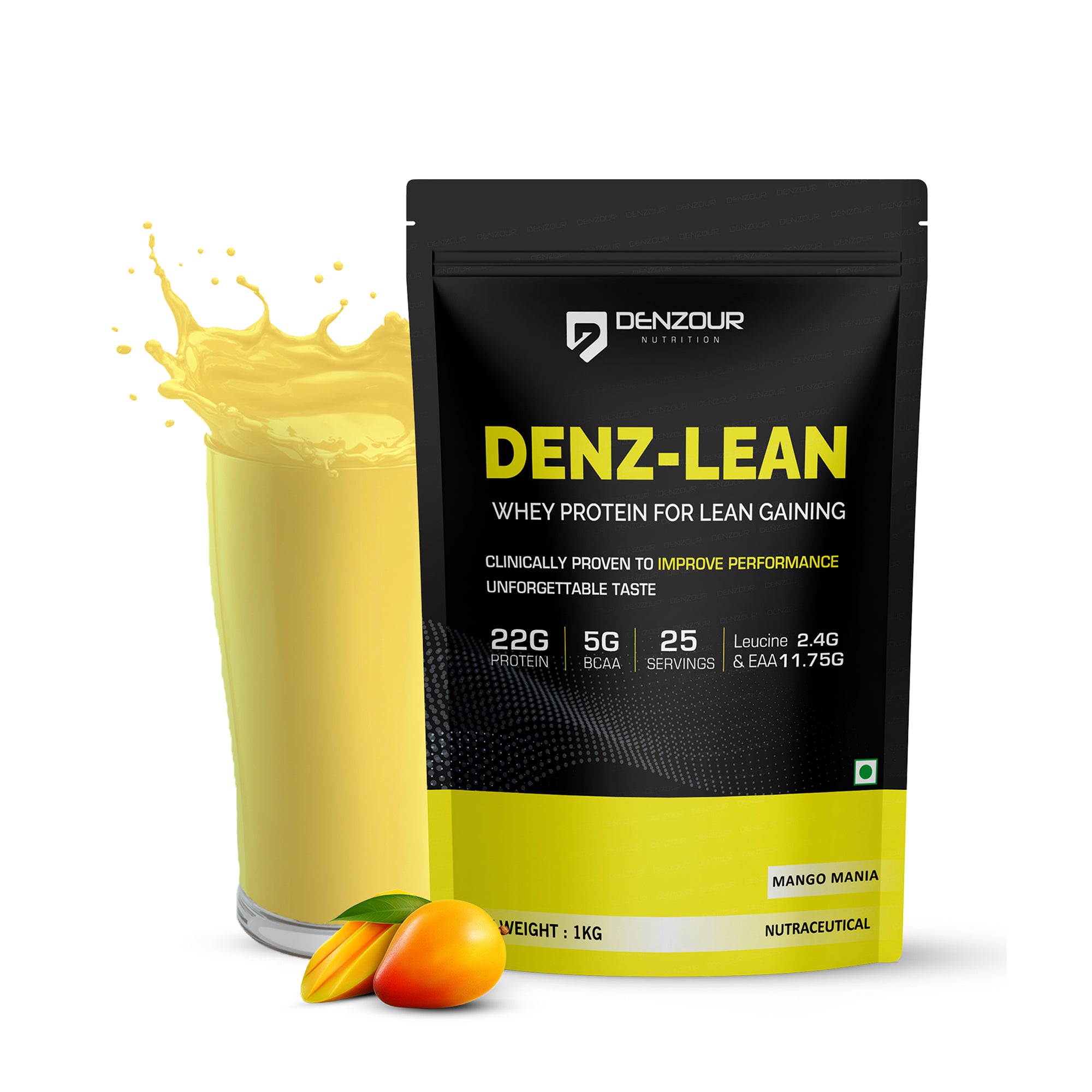
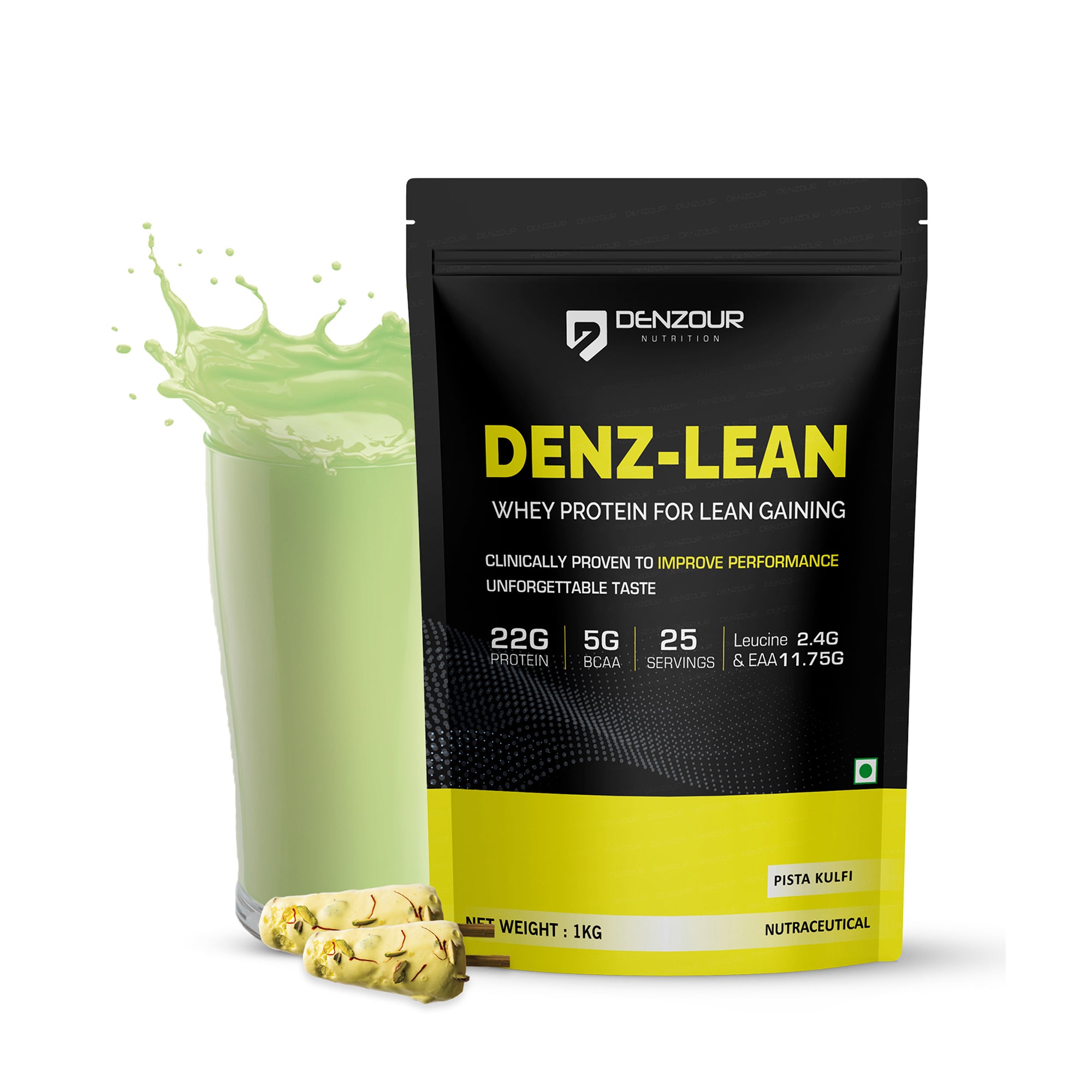
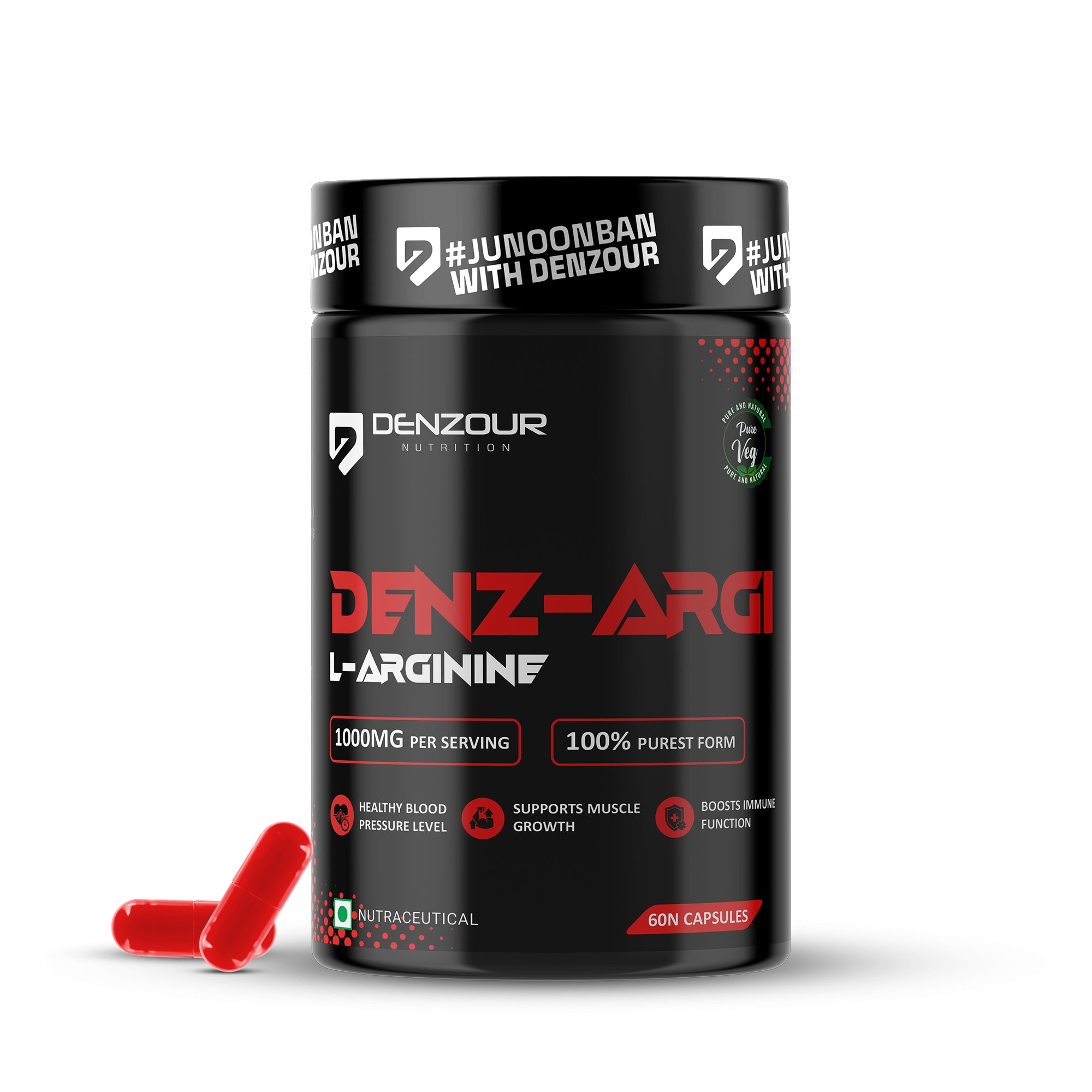
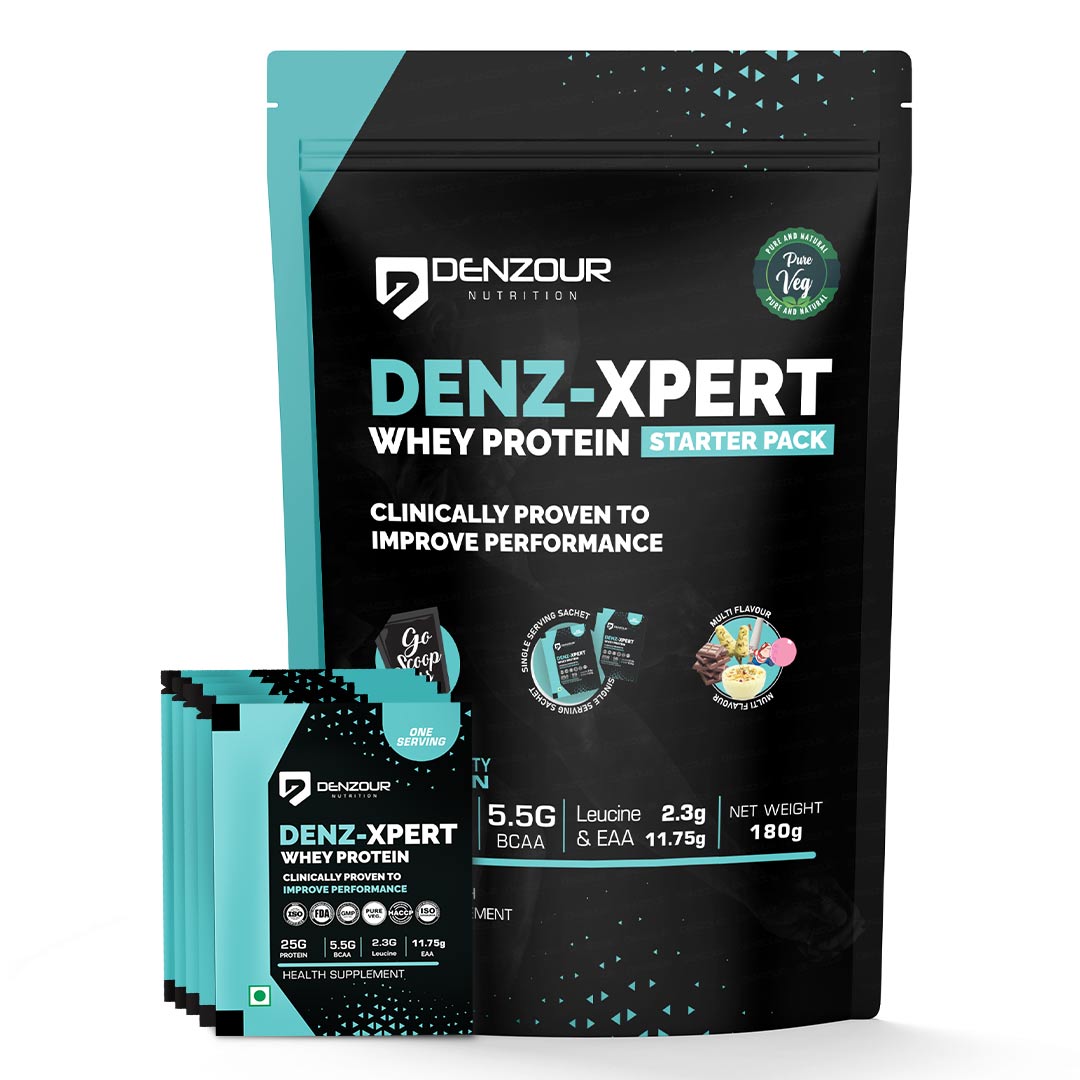


If you’re a man just trying to gain as much muscle as possible, lose fat or simply hit your daily protein target, the “best” type of protein powder is the one that helps you consistently meet your total protein intake with minimal digestive issues and clean ingredients. “Men don’t need a ‘men’s formula’ per se, they just need the right kind (whey concentrate or isolate, blend, casein or plant protein) depending on goal, budget and tolerance,” admits Fear. For active men, evidence-based guidelines usually fall in the 1.4–2.0 g of protein per kg body weight per day range particularly if training regularly.
Option for whey isolate if you want higher purity and lower lactose; go with whey concentrate for value and taste; lean on casein when seeking slow-digesting night protein; and pick plant proteins if you have dairy restrictions. For most people, timing doesn’t matter nearly as much as total daily intake use protein powder whenever it will help you hit your target and aim to spread it across meals.
Do Men Need a “Men’s Protein Powder”?
Short answer: No.
Many such brands sell “protein powder for men.” Because only men need special protein? In reality, protein is protein. What changes is:
- Your daily protein goal (which is often higher if you’re bigger or more active)
- Your digestion/tolerance (lactose intolerent is quite common)
- What is your goal (bulking, cutting or just general health)
- Your preferences (taste, mixability, budget)
So instead of buying “men’s protein,” buy the protein for your goal and stomach.
How Much Protein Do Men Need Per Day?
Step 1: Pick your body weight in kg
Example: 75 kg
Step 2: Choose your goal multiplier
Sports nutrition position stands usually reference 1.4–2.0 g/kg/day for active individuals with requirements changing based on training status, caloric deficit, and body size.
Muscle gain target
- In practice, 1.6–2.0 g/kg/day is a typical goal for resistance-trained individuals.
- Example (75 kg): 120–150 g/day
Fat loss / recomposition target
And during cutting, protein helps maintain muscle. Many lifters use:
- 1.6–2.2 g/kg/day based on leanness and deficit aggressiveness (as a practical starting point, 1.6–2.0 g/kg and titer up).
- Example (75 kg): 120–165 g/day
Beginners / general fitness target
- Starting target of 1.2–1.6 g/kg/day is achievable.
- Example (75 kg): 90–120 g/day
Note: If you have kidney disease or other medical conditions, don’t decide on your own to wolf down lots of protein check with a clinician first. Kidney organizations warn people with kidney disease to be careful and talk with their health care team about supplements.
The 5 Types of Protein Powder
1) Whey concentrate
Best for: cost, flavor and day-to-day drinking
What it is: A protein that comes from milk, with a little lactose and trace amount of fat/carbs still in it.
Why men like it: affordable, blends well, tastes good.
Choose whey concentrate if:
- You digest dairy well
- You are looking for a Quality, all natural daily protein source
2) Whey isolate
Best for: lean gains, lactose-intolerant, “cleaner” macros
Isolate is more processed, meaning it usually has less protein percentage, and therefore has less lactose and fat/carbs. Isolate often shows up in India-focused guides as a good option if you’re looking for “more protein per scoop” and fewer extras.
Choose whey isolate if:
- You get bloating from concentrate
- You’re looking for more purity and cleaner macros
3) Whey blend (isolate + concentrate)
Best for: value and performance in equal measure
You can use Blends which will often gives a really good compromise on taste and macros.
Choose a blend if:
- You seek near-isolate performance at near-concentrate pricing
4) Casein
Best for: So if you sleep every night, usually slow-digesting protein types are consumed during this period.
Casein digests more slowly than whey, which could also be beneficial if you're after a longer-lasting protein source.
Choose casein if:
- You are falling short on protein and need a simple “before bed” solution
5) Plant protein (pea/rice blends, etc.)
Best for: dairy-free, vegan, sensitive tummies
Individual plant protein profile may vary in their amino profiles; combinations (e.g., pea + rice) are typical.
Choose plant protein if:
- You avoid dairy
- You prefer this lighter alternative (for some people, it’s easier to digest)
How to Choose the Best Protein Powder for Men
That's because the best protein powder for men is not about buying a “men’s formula,” it’s about choosing the right type of protein for your goal, digestion, diet and budget. A quality protein powder should get you to your daily protein goal a few times per day and should not make you bloat, give you stomach discomfort or supply an abundance of added calories.
Begin by figuring out why you are in the market for one (gaining muscle, losing fat, overall fitness, or simply convenience). Then choose the type (whey concentrate, whey isolate, blend, casein or plant protein) that conforms to your body and habits. Finally, examine the label for protein content and look at ingredients and quality markers so you’re not paying for protein—especially fillers.
Define your goal
- Muscle gain / strength: focus on consuming more total protein and using daily.
- Fat burning /Lean muscle: favor a higher protein % per scoop and fewer sugar/calories.
- Beginner/general fitness: pick something that is simple to digest and easy to adhere.
- Dietary needs (veg/vegan/lactose intolerence): option for plant protein or low-lactose alternatives.
Choose the right protein type
- Whey Concentrate: best price, typically tastes better; often causes problems (i.e., bloating and discomfort) if you’re sensitive to lactose.
- Whey Isolate: purer, usually less lactose and carbs; great for lean goals and digestion.
- Whey Blend: value + performance combination (isolate/concentrate combo).
- Casein: slow release; handy if you’re looking for a night-time protein.
- Plant Protein (pea/rice blend): no dairy, good for vegans and/or a sensitive stomach.
Read the label like a pro (most important)
- Protein per scoop: ideally, you’re looking for 20–25g+ per serving with most whey products.
-
Protein percentage: are you really getting value for money?
- Formula: (protein grams / serving grams) x 100
- The higher the %, typically the less fillers.
- Sugar & calories: keep these lower if you're cutting/fat loss.
- List of ingredients: shorter is often better not too many fillers, “proprietary blends,” or an overabundance of thickeners.
- Digestive aid: enzymes can benefit some but are not necessary.
Match it to your digestion
- Here are some things to try if you get bloating or gas:
- switching from concentrate → isolate
- using water instead of milk
- starting with ½ scoop and titrating up
- If you can’t tolerate dairy, then plant protein it is.
Match it to your routine
- If it’s impossible to knock out protein from food every day, take a shake:
- after workout, or
- as a snack between meals, or
- with breakfast
- Consistency matters more than timing.
Budget check (don’t compare tubs, compare protein)
- Compare products based on cost per 25g protein and not “cost per bottle.”
- It’s an expensive tub And cheap is still very costly when it has low protein per scoop
Quick lists (choose in 10 seconds)
- Muscle gain + sound digestion: whey concentrate or a blend
- Fat loss / lean + cleaner macros: whey isolate
- Lactose sensitive / bloat often: whey isolate (or plant if necessary)
- Vegan / dairy: plant protein mix
- Want night-time slow protein: casein
- Newb: simple ingredients–whey blend/concentrate, not much attention to flavor.
Best Protein Powder for Men
The best protein powder for men is the one that aligns with your fitness goal (muscle gain, fat loss, or weight gain), enhances your digestion, and makes it easier to reach your daily protein target. Men don’t need a “men’s formula”—most simply need the right type of protein and a clean label. In general, however, whey protein is the most popular — it’s a complete protein that digests quickly and contributes to muscle-recovery and growth.
For example, if you’re lactose sensitive or have macros that need to be leaner, go with whey isolate. If you’re looking for the best bang for your shake, whey concentrate or a blend is often ideal. For Vegans / Dairy-Free As a dairy-free option for vegans, plant protein mixes (such as pea + rice) are the best choice in this category.
For muscle gain / strength
- Top pick: Whey Isolate or Whey Blend
- Why: Because it’s high-quality protein, fast-digesting proteins to help you recover.
For fat loss / lean physique
- Best choice: Whey Isolate
- Why: More protein %, less carbs/fat, fewer calories per scoop
For beginners
- Best value: Whey Concentrate/Whey Blend
- Why: cheap, delicious and simple to follow every day
For lactose sensitivity / digestion issues
- Whey Isolate (low lactose) or Plant Protein are the way to go Best choice.
- Why: Less bloating, smoother digestion
For weight gain / bulking
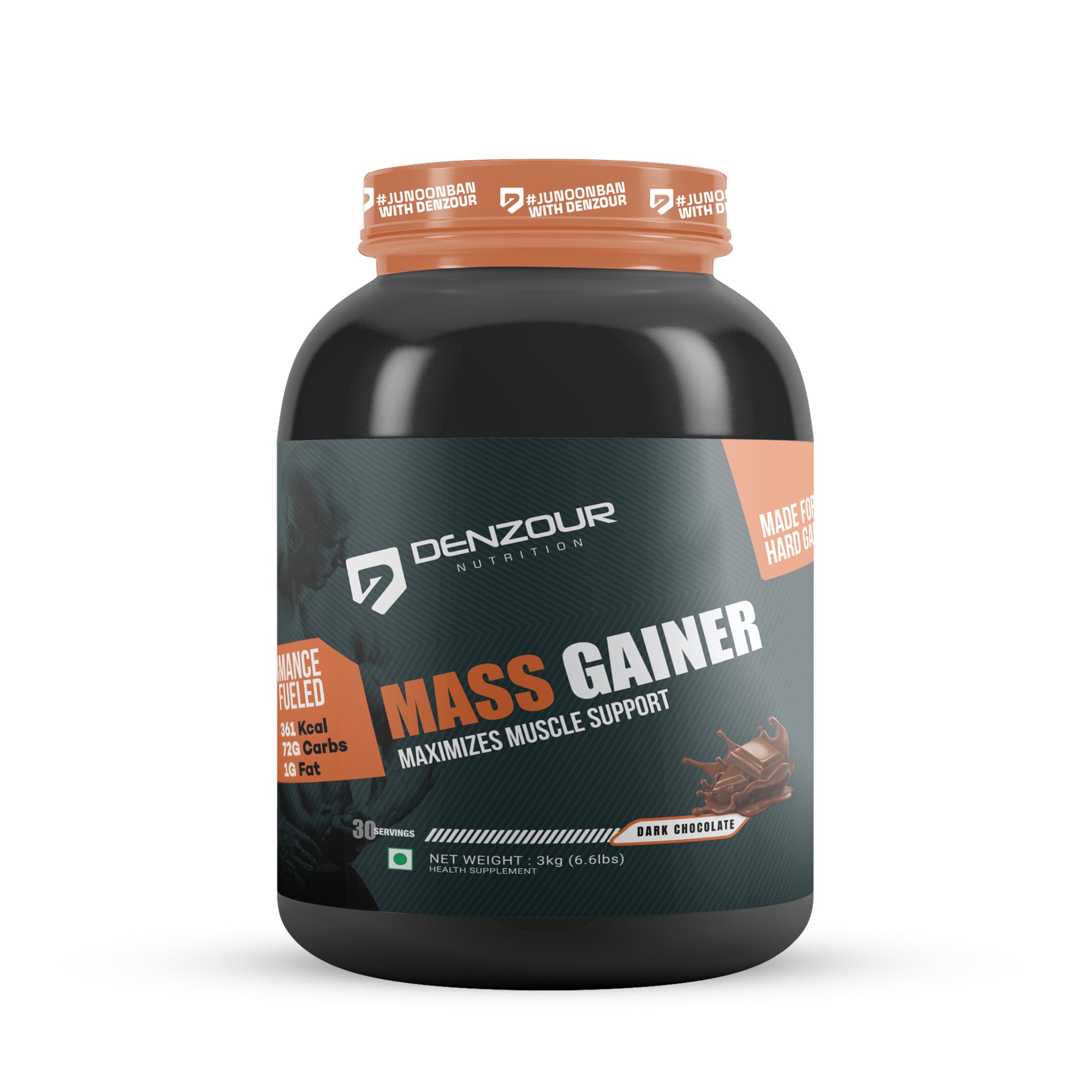
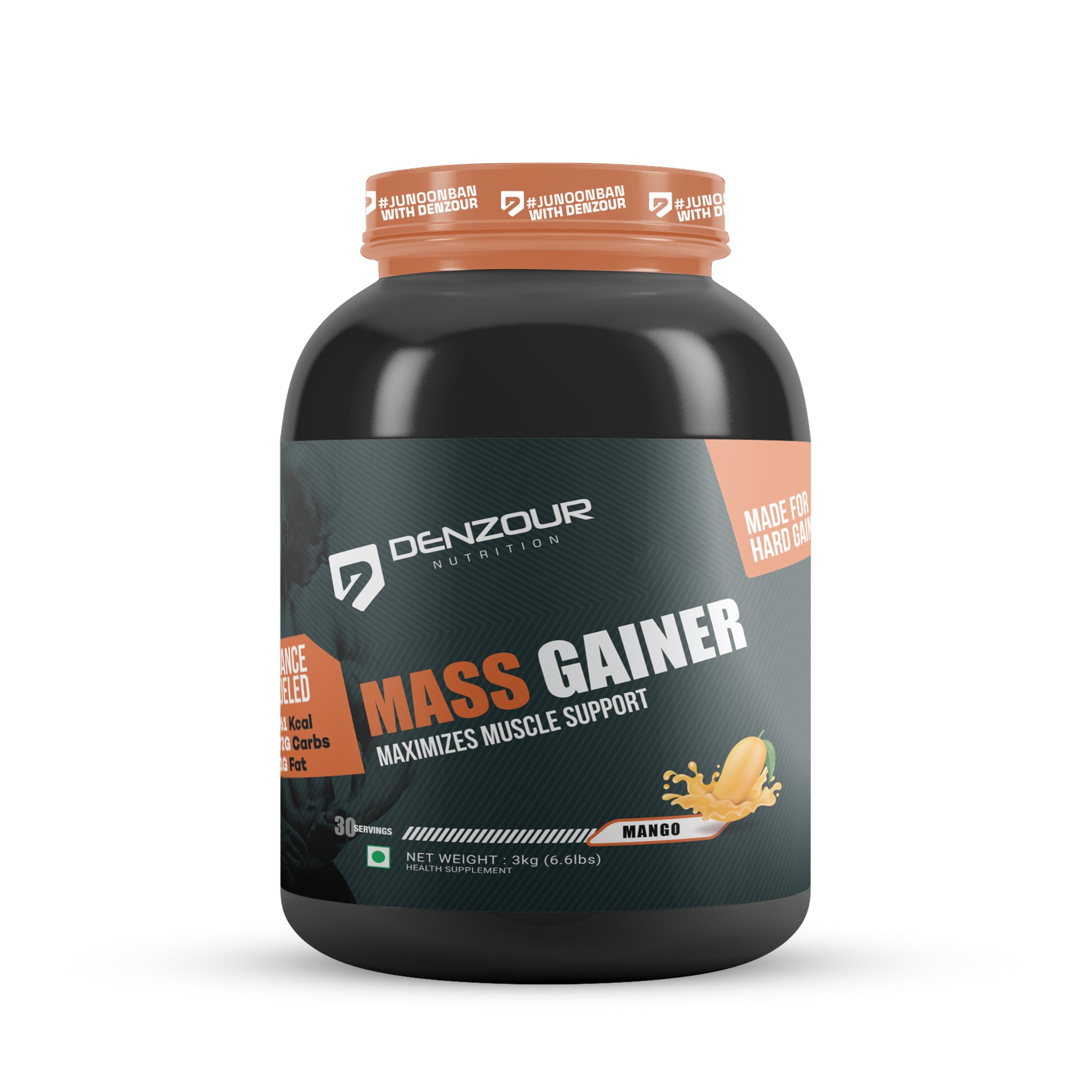
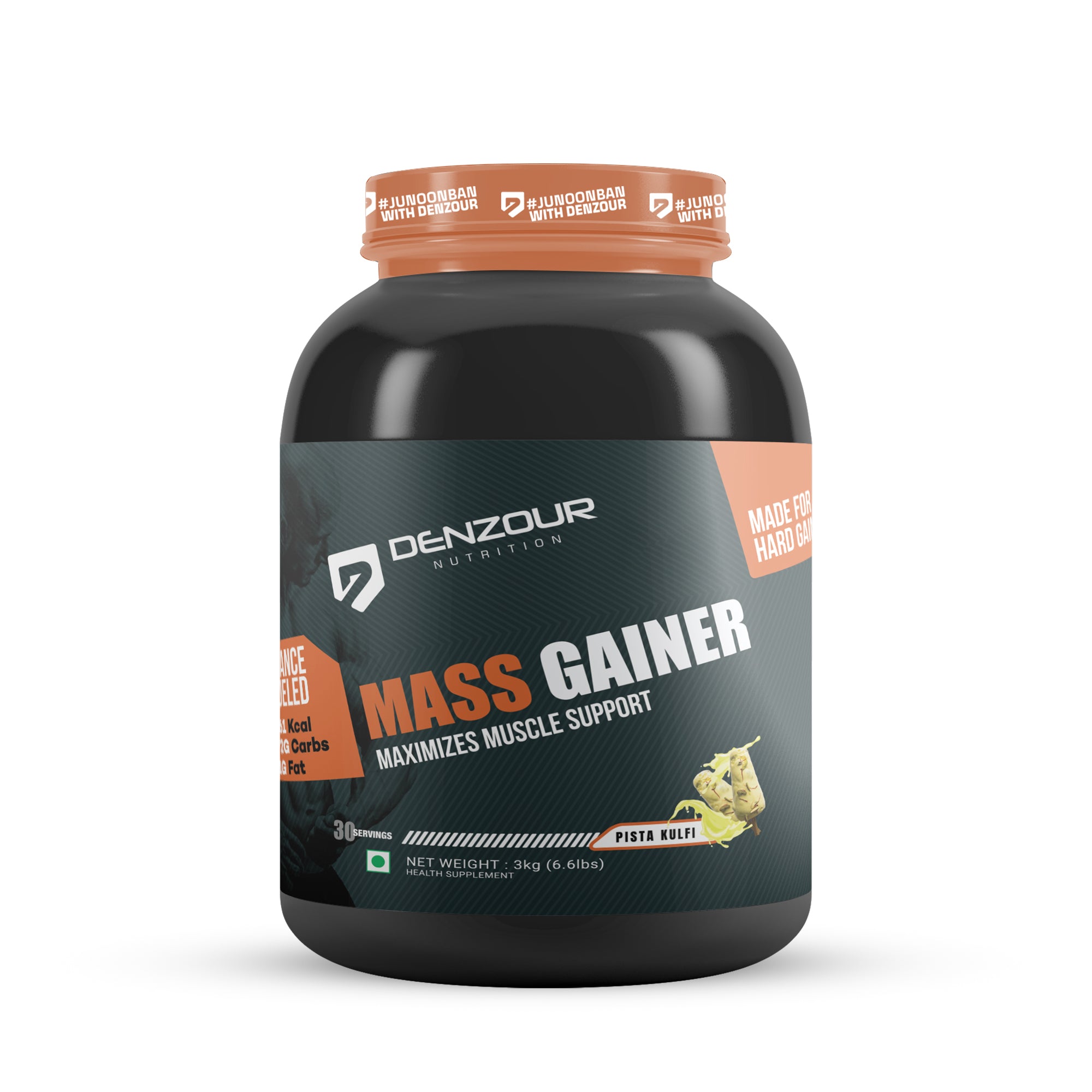
- Best one: Mass gainer (if you have a hard time eating)
- Why: More calories + carbs + protein per serving
How to Read a Protein Powder Label
- Protein per scoop: Try to get 20–25g of protein per serving in whey-based products.
-
Protein percentage:
- To determine value: (protein grams/serving size) x 100
- Higher % = less fillers (around ≈70–80%+ is good for whey).
- Type of protein: Doesn’t matter if it’s whey concentrate, isolate, blend, casein or plant protein choose by your goal and digestion.
- Sugar & carbs: Keep added sugar to a minimum (especially in fat loss). Watch for hidden carbs.
- Ingredient list length: Shorter is better. Don’t go with too many thickeners, colors or “proprietary blends.”
- Digestive enzymes: Useful if you are bloating, but not everyone needs it.
- Sweeteners used: If you’re sensitive, pay attention to the presence of sucralose/acesulfame or switch to unflavoured.
- Amino acid profile: Whey should technically be a complete protein naturally no need to add BCAAs.
- Certifications & testing: Be sure to check for batch numbers, lab testing or third-party certifications (particularly in India).
- Calories per scoop: Make sure the calories are in line with your goal—so no stealing gains from you by creating a mass gainer that poses as “protein.”
- Authenticity checks: Option for brands that offer QR/batch verification and purchase from authorized retailers.
Best Time to Take Protein Powder
For most men, the optimal time to consume protein powder is whenever it enables you to consistently meet your daily protein target. Studies and experience show that overall daily protein intake is far more significant than exact timing. Protein powder is just a convenient food like any other, so it should be taken whenever best fits your schedule – whether that means post-workout or in between meals or even at breakfast. The only time it’s possibly meaningful is if you are training hard or can’t seem to spread your protein intake out over the day.
Post-workout: A delicious and convenient option—you can add in protein when you don’t have much of an appetite after training.
Between meals: Helpful if you’re not getting protein at regular meals or have long stretches of time between eating.
With breakfast: Good for: Men who eat a low-protein breakfast and want to kick off the day strong.
Before sleep (casein, or slow protein): Optional if you are having troubles to meet daily protein requirement or needs a slow digesting on night.
What matters more than timing
- Meet your daily protein target (throughout the day)
- Spread out the protein rather than consuming it “all at once.
- Pick a time you can commit to each day (everyday beats perfect)
Bottom line: If you consistently hit your daily protein target, you’re already doing the most important part right timing is secondary.
How to Use Protein Powder (Mixing + Recipes)
Make it boring until you get what you want.
Best simple mix
- 1 scoop + 250–300 ml water
- Then level up:
- If you digest this well, add milk only.
- Only fruit/oats if you want more calories
Quick recipes
- Protein lassi: curd + water + 1 scoop+ cardamom.
- coffee protein: cold coffee + 1 scoop vanilla
- Oats-protein bowl: oats + 1 scoop + banana + yogurt
Safety, Side Effects, and Who Should Be Careful
For healthy adults, protein powder is considered safe when consumed at recommended doses and as part of a balanced diet. Side effects are more likely due to overconsumption, poor-quality products or digestion issues than the protein itself doing damage. Treat protein powder as a food — to be used to supplement your diet, but not replace food itself.
Possible side effects (usually mild)
- Bloating or gas: frequent in the lactose-sensitive or who of large amounts.
- Stomach achiness: from low-quality ingredients or thick shakes
- Some people may have acne from dairy: Could be related to diary based proteins.
- Weight gain: due to excess total calories, not just from protein
Who should be careful
- Individuals with kidney disease: should consult a doctor before taking protein supplements
- Liver disorders: may take opinions of doctor before using it.
- Severely lactose intolerant: stay away from whey concentrate
- Allergies: Be sure to read ingredient list (milk, soy etc)
Safety tips to follow
- Use as directed (1–2 scoops daily for most men)
- Select reputable brands with batches and authenticity check
- Keep yourself well hydrated all through the day
- Stay away from really cheap or untested products
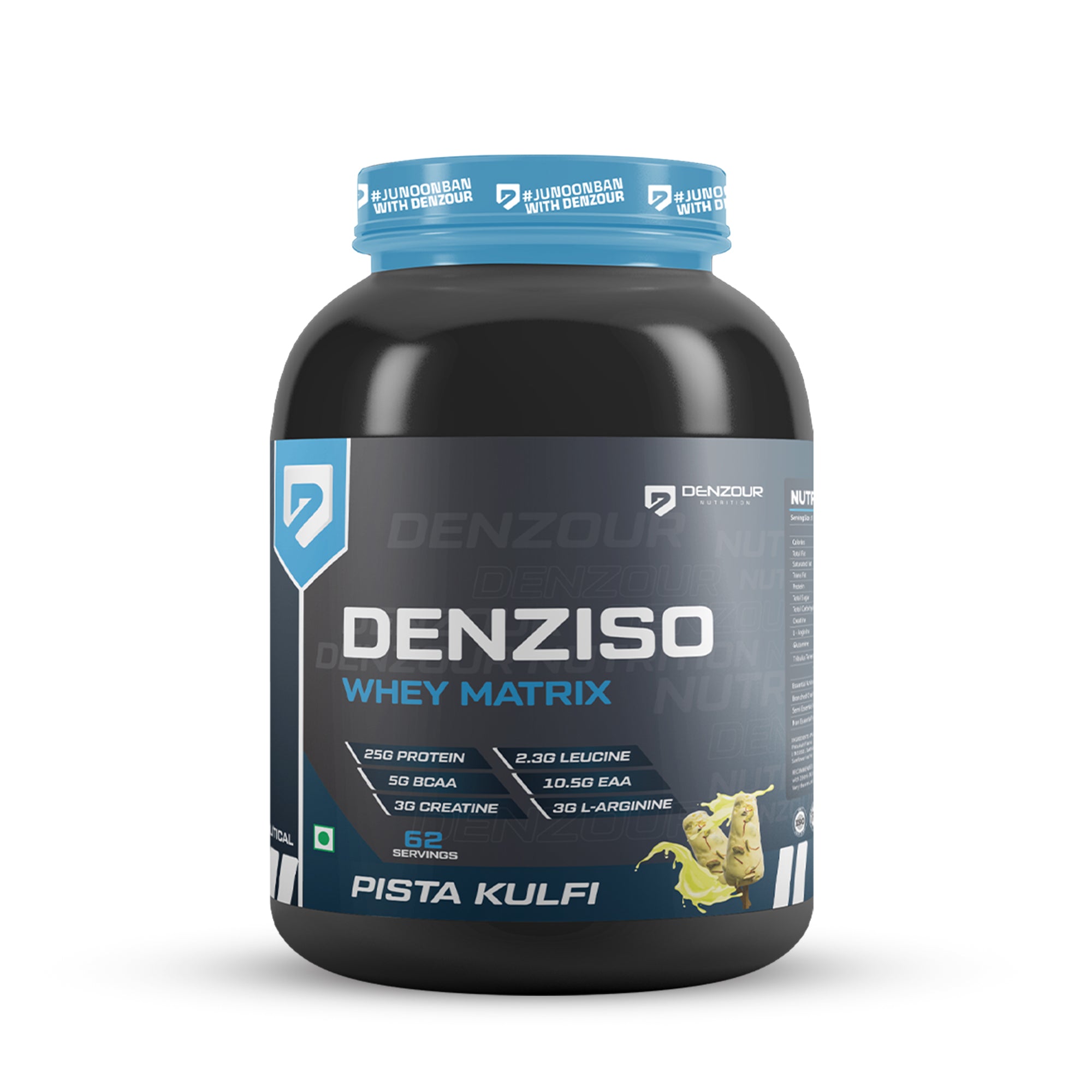
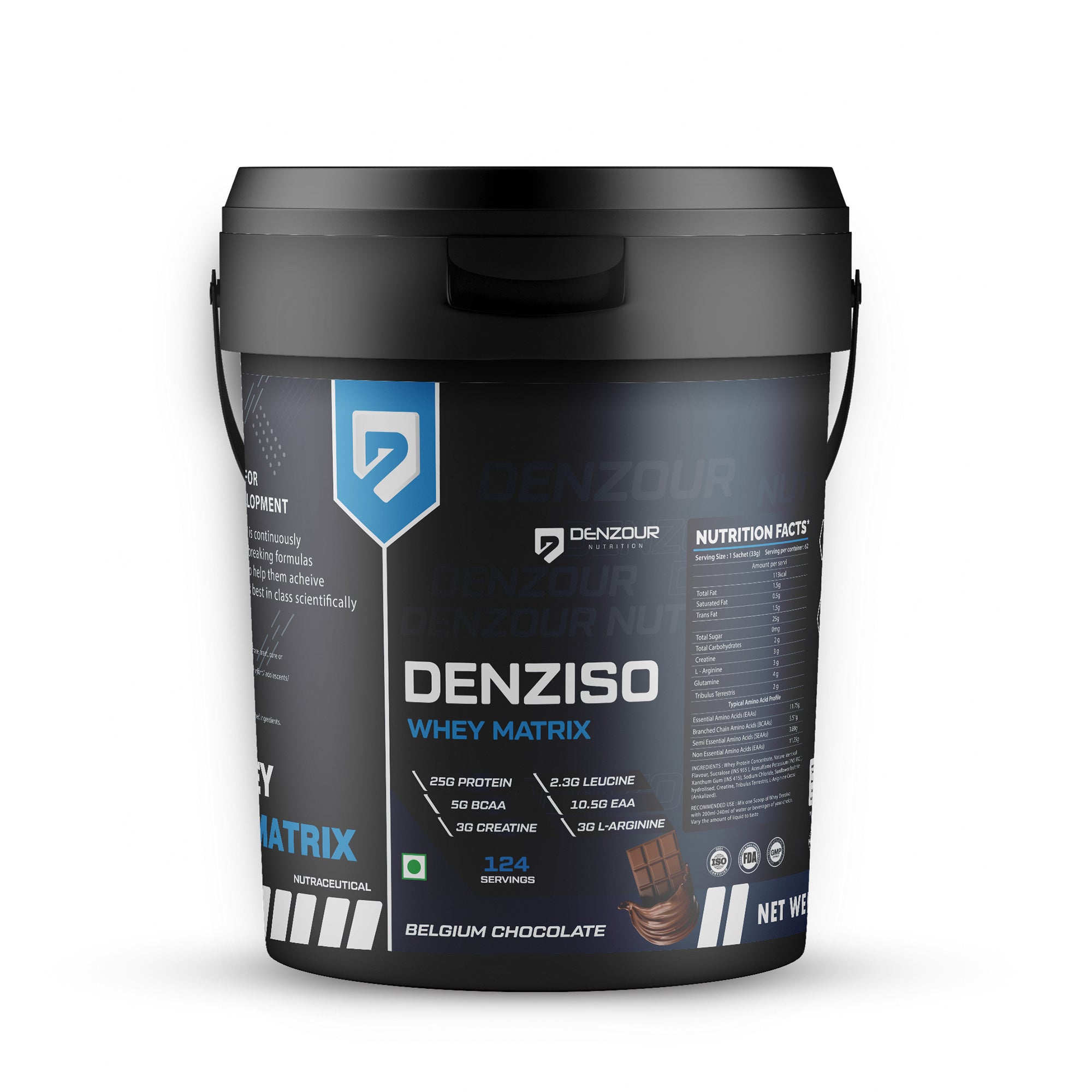
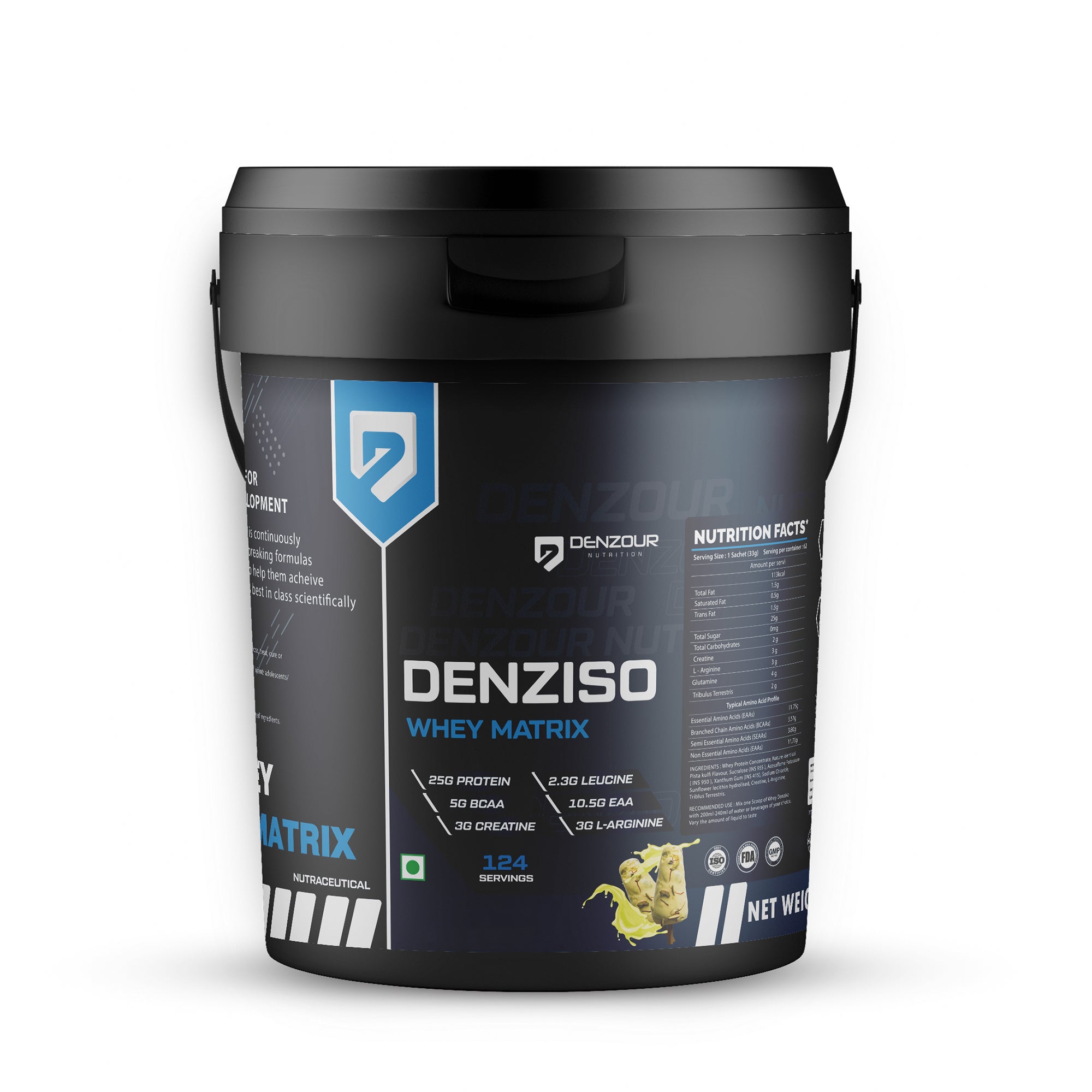
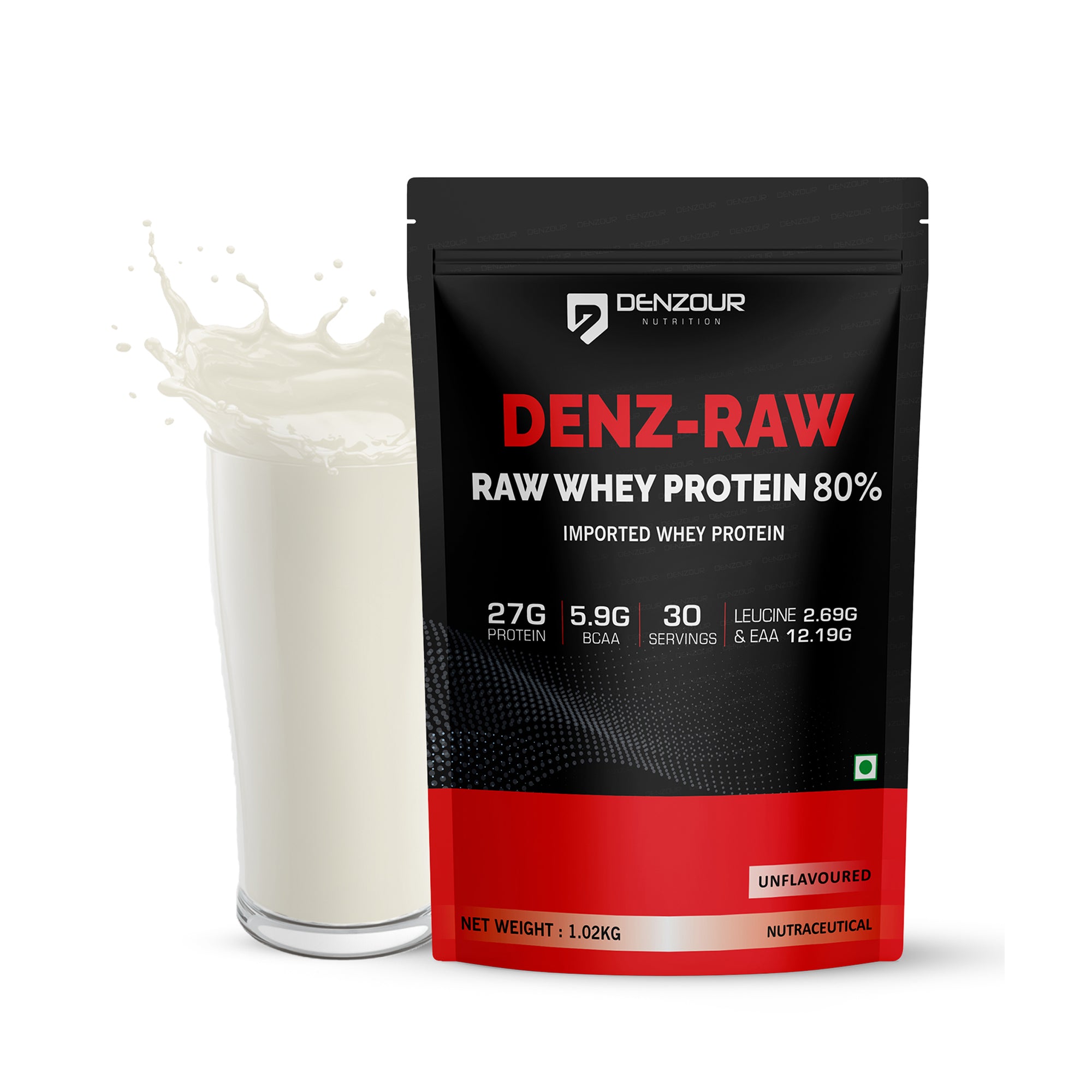
Recommended Picks (Based on Your Goal) and what to buy from Denzour
Consider this part an easy funnel to your collection page without turning the entire article into an ad.
Goal: Muscle gain
- Pick a whey with high protein per scoop and good blendability.
- If digestion is good → concentrate/blend; if you prefer leaner macros → isolate.
Goal: Fat loss / lean physique
- I'd be going for higher protein % and lower sugar ratio.
- Mix it with water, not six hundred liquid calories unless you've already planned for that.
Goal: Beginners
- Choose one product that you’re likely to apply daily
- Hit total daily protein first
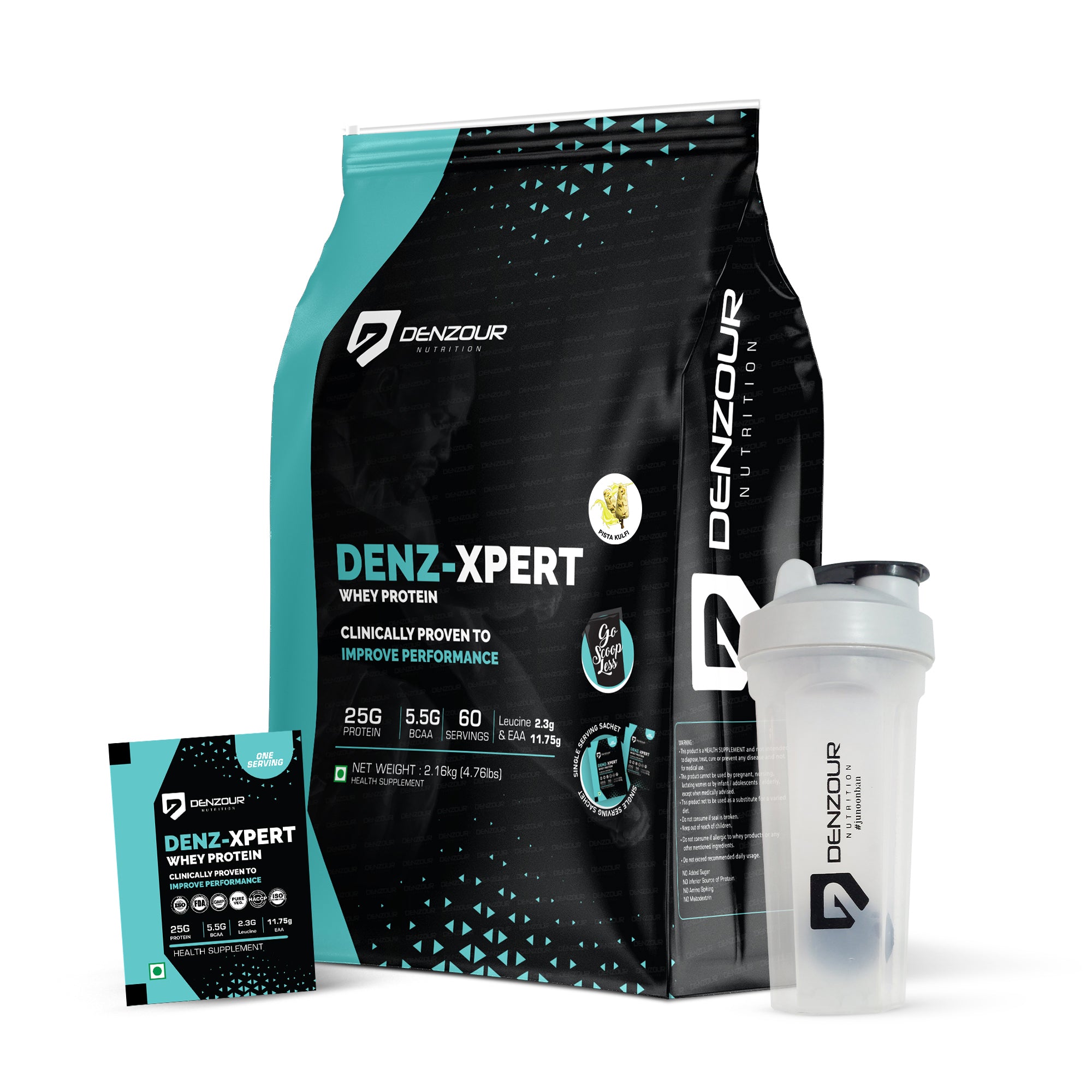
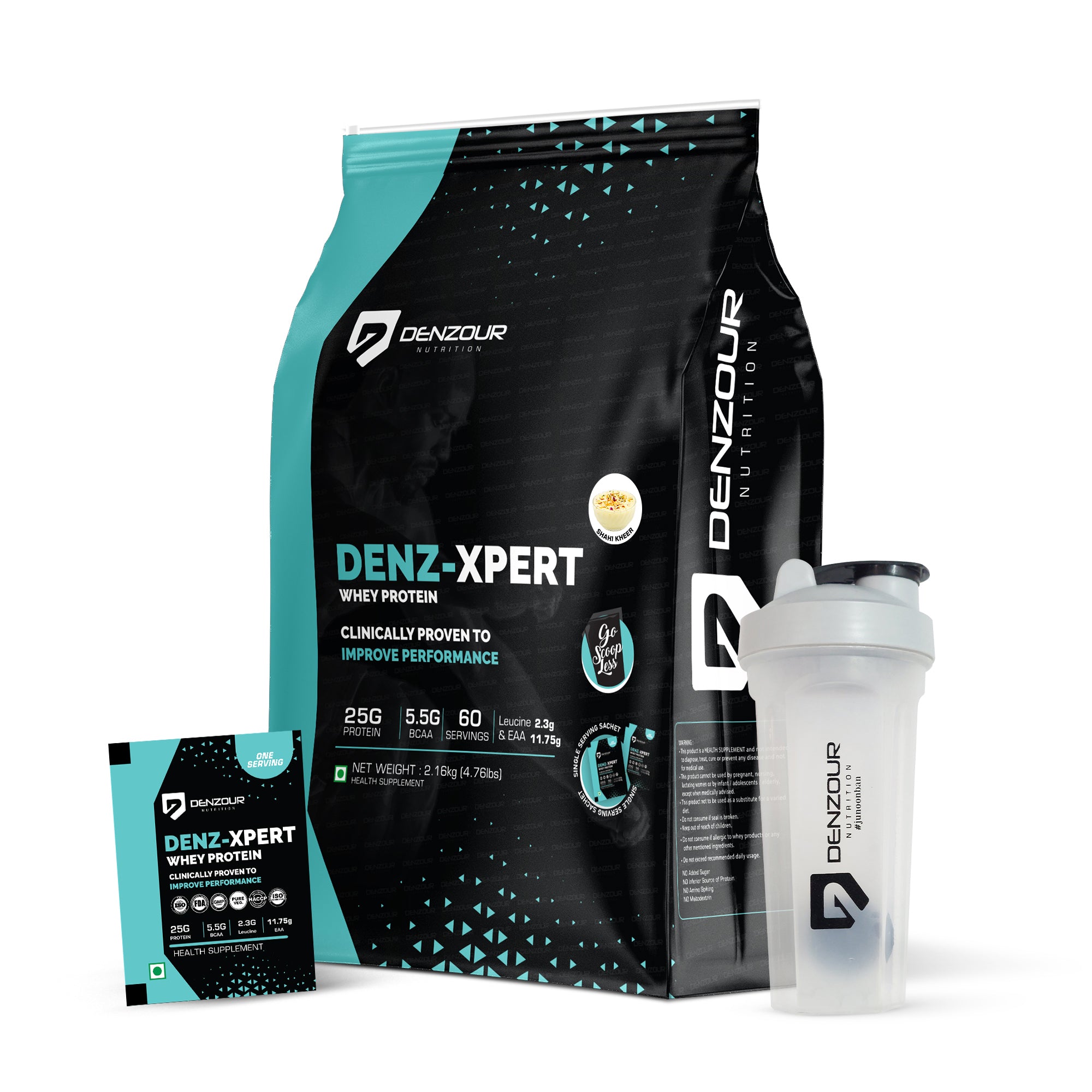
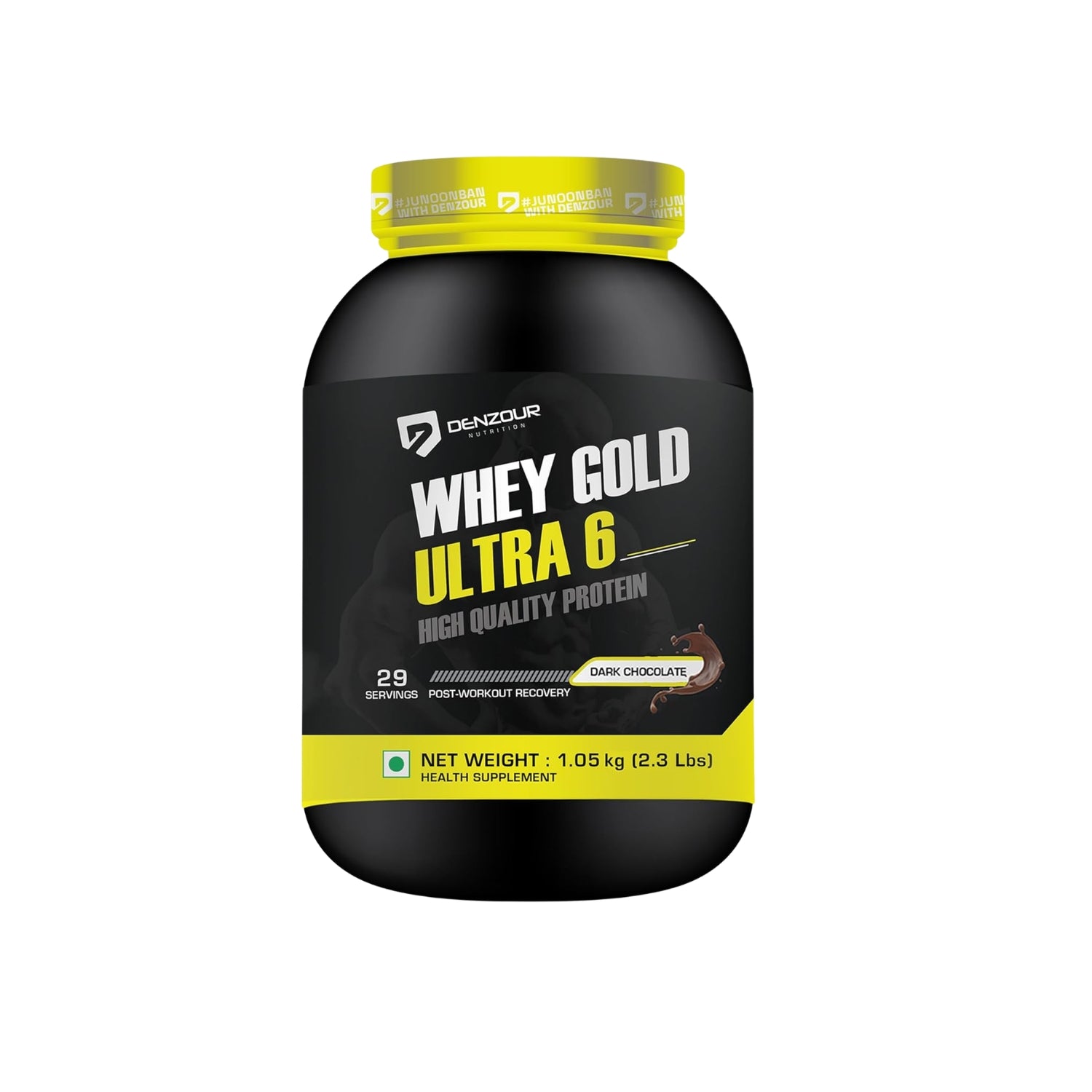
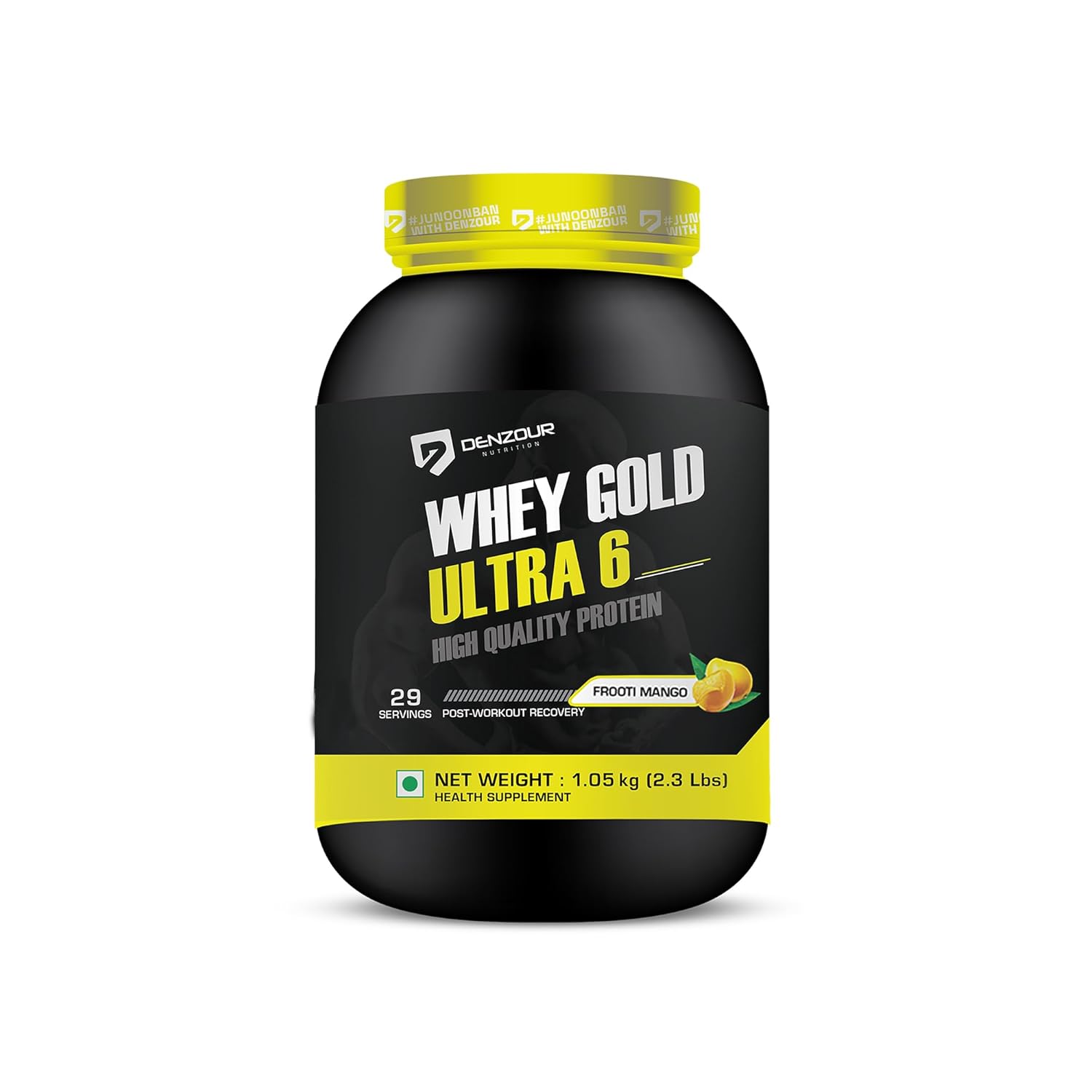
Shop all Denzour protein options : Protein Powder for Men
Final Takeaway
Protein powder isn’t magical — it’s a helpful nutrition tool. For men, the secret to success is consistency, using the right dose and type of protein — not extracting a credit card for the most expensive or most lavishly marketed product. First focus on meeting your daily protein needs:
Select a protein that aligns with your goals and preferred way of eating, and use powder as backup to fill in dietary gaps instead of as a meal replacement. Combined with regular training, sleep and a good diet the use of protein powder can help you reach your fitness goals.


