










If you’ve ever chugged a protein shake after a workout and then spent the next few hours feeling bloated, gassy, or just downright uncomfortable, you’re not alone. Whey protein bloating and gas are among the most common complaints fitness enthusiasts face. But does this mean you should ditch your protein powder? Absolutely not!
The truth is, bloating from whey protein is often caused by specific ingredients or habits—not the protein itself. In this blog, we’ll uncover why whey protein causes bloating, how to fix whey protein bloating, and what you can do to keep hitting your fitness goals without the discomfort.
Why Does Whey Protein Cause Bloating and Gas?
There are a few key culprits behind that uncomfortable feeling:
1. Lactose Intolerance
Many whey proteins contain lactose, especially whey concentrate. If your body struggles to digest lactose, it can lead to bloating, cramps, and gas. Even if you’re not severely lactose intolerant, your gut may still find it hard to break down the sugar in milk, leading to discomfort after each shake.
2. Low-Quality Protein Powders
Cheap powders often contain fillers, artificial sweeteners, and gums. These additives can irritate your gut and cause gas and bloating because they ferment in the digestive tract. Ingredients like carrageenan, and sugar alcohols are common culprits—so always read the label before buying.
3. Overconsumption
More isn’t always better! Drinking huge amounts of protein shakes in one go can overload your digestive system. For most people, 25-35 grams per serving is enough. Chugging down 60g in one sitting can stress your gut and cause unnecessary discomfort.
How to Avoid Bloating from Protein Shakes
If you love your gains but hate the gas, here’s what you can do:
-
Switch to Whey Isolate:
Whey protein isolate has minimal lactose and is easier on your stomach. Many fitness experts recommend isolate over concentrate if you have any sensitivity. -
Check for Additives:
Avoid powders loaded with fillers, gums, and sugar alcohols. A clean ingredient list usually means fewer digestive issues. -
Try Digestive Enzyme Protein Powders:
These formulas contain enzymes like lactase to help break down lactose and improve digestion.
Remember, digestion varies from person to person, so it might take a little trial and error to find what works for you.
Whey Protein Isolate vs Concentrate: Which Is Best for Bloating?
-
Whey Isolate
Lower lactose, faster digestion, and usually fewer stomach issues. It’s ideal for people with mild lactose intolerance or sensitive stomachs. -
Whey Concentrate
Contains more lactose and fats, which can cause bloating or discomfort if your body doesn’t tolerate dairy well.
If you’re looking for smooth digestion and lean muscle gains, whey isolate is usually the better choice.
Best Protein Powder for Sensitive Stomach
When bloating and gas become a problem, look for:
- Clean ingredients (no unnecessary fillers)
- Low-lactose or lactose-free options
- Added digestive enzymes
These qualities make a huge difference for people who want the benefits of whey without any side effects.
Ready to Say Goodbye to Bloating?
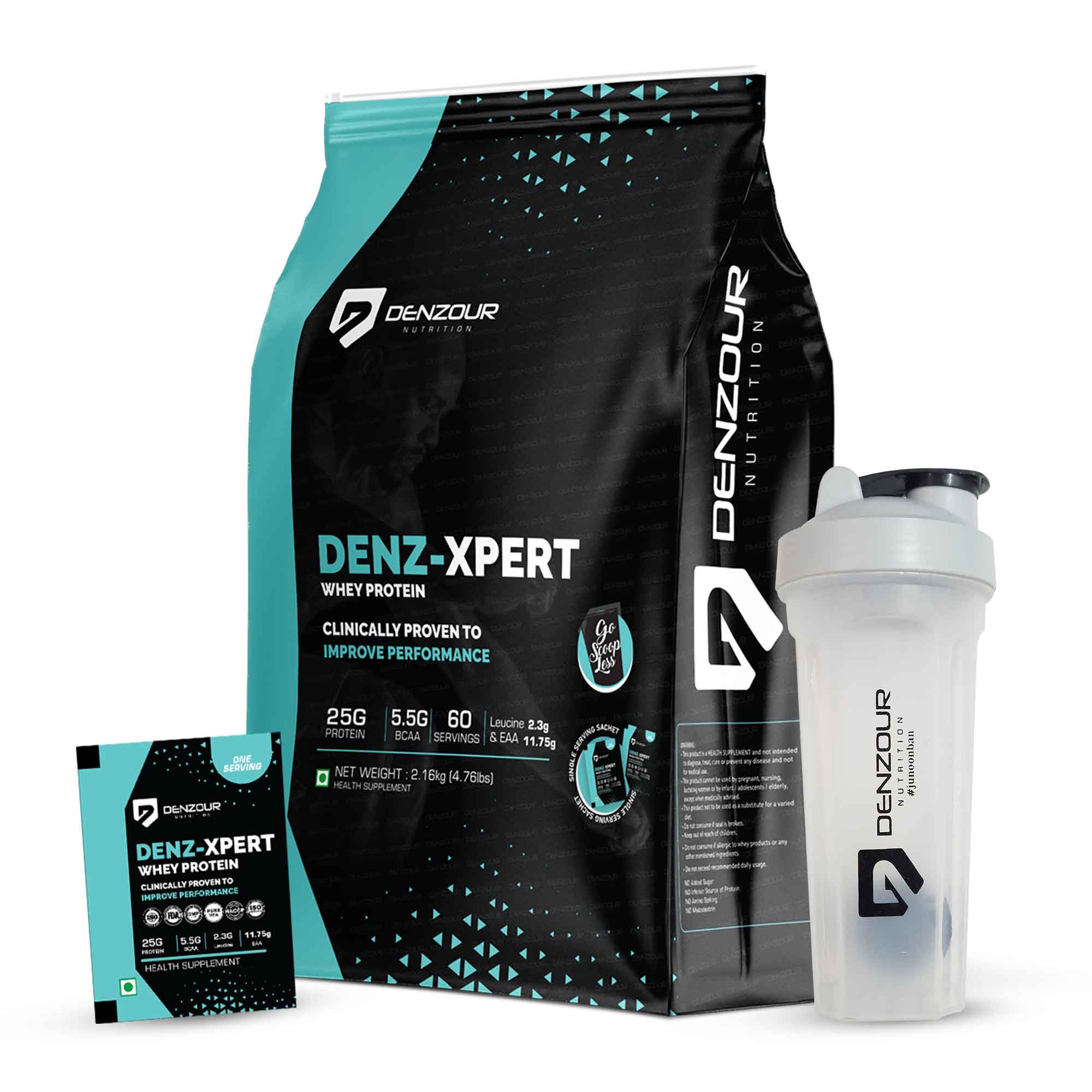
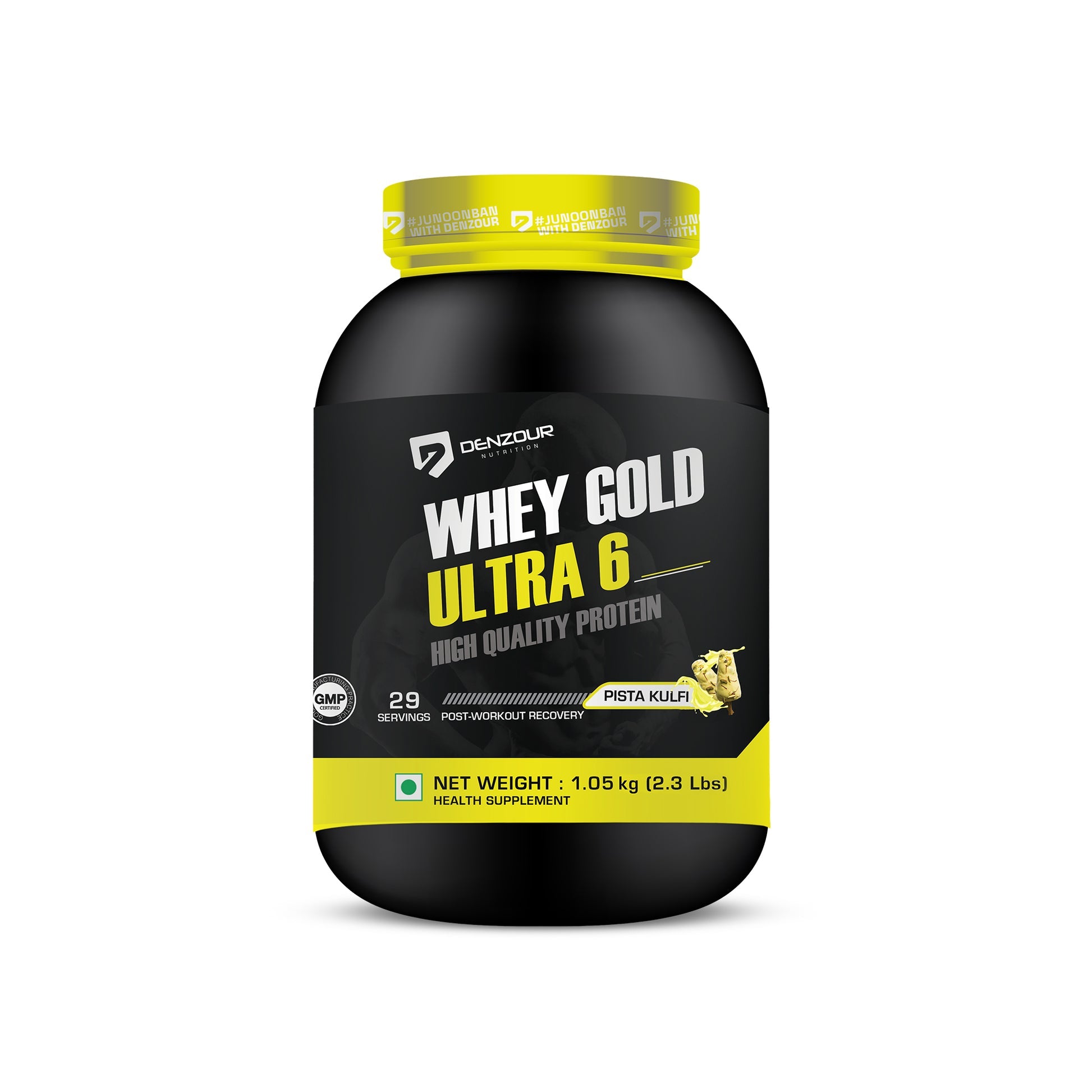
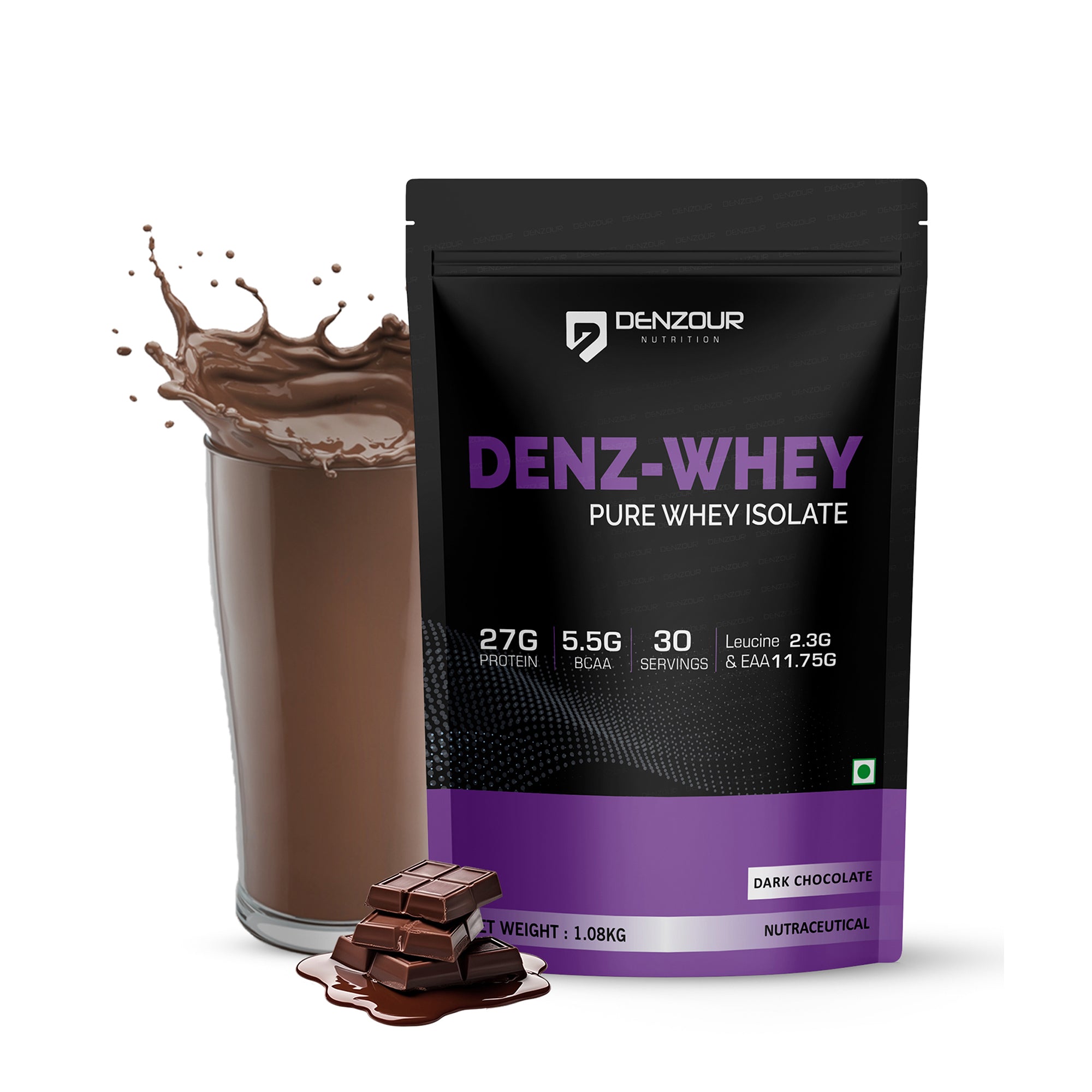
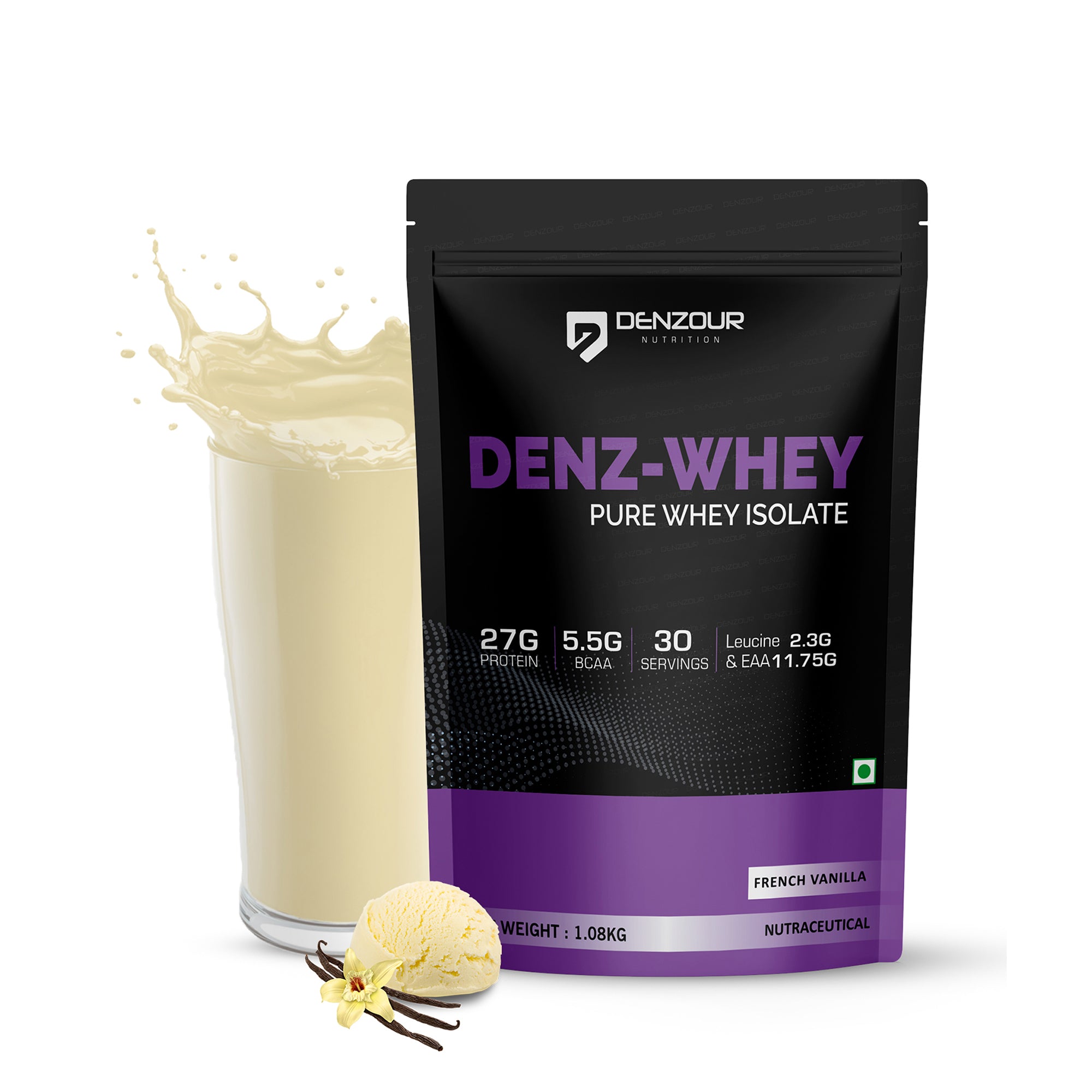
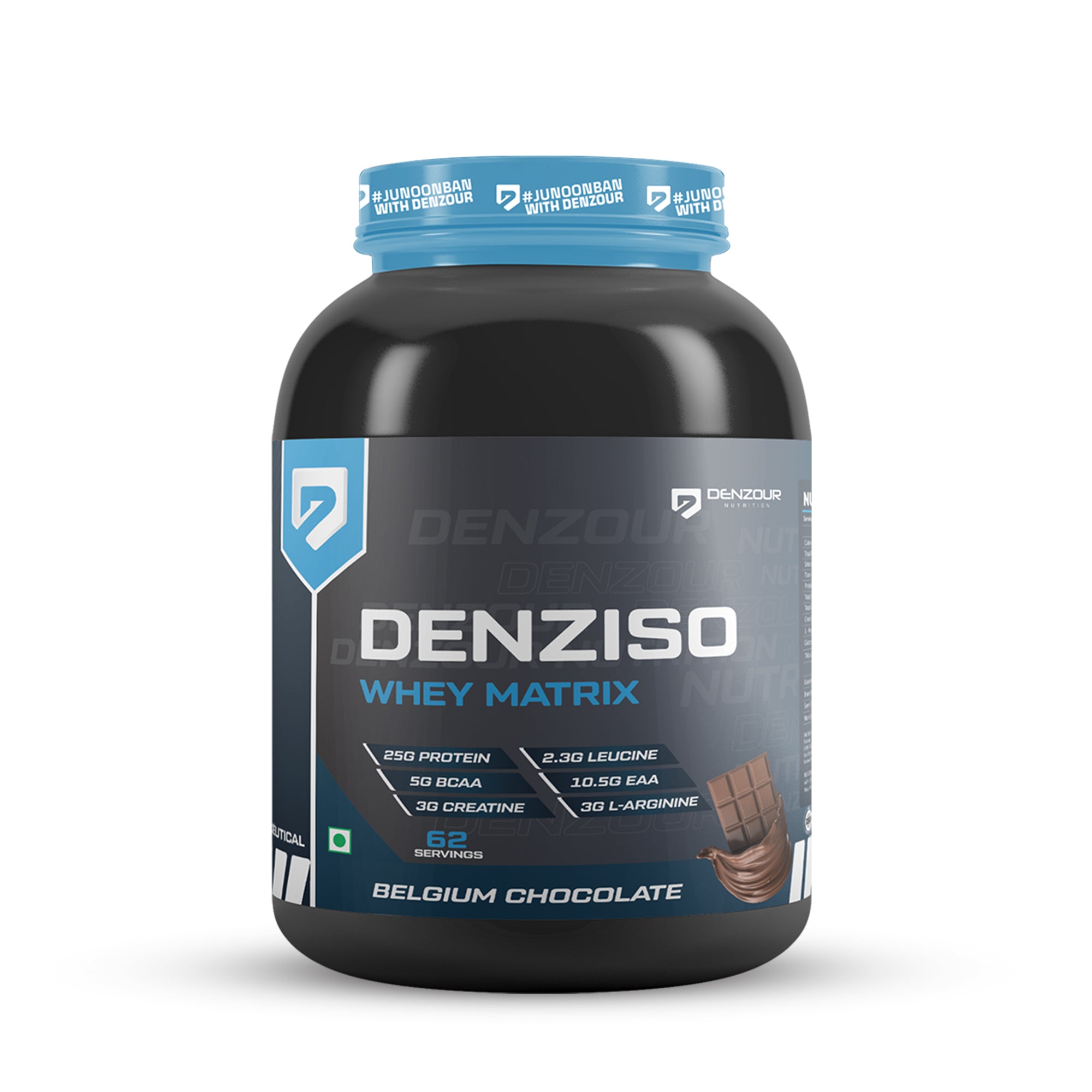
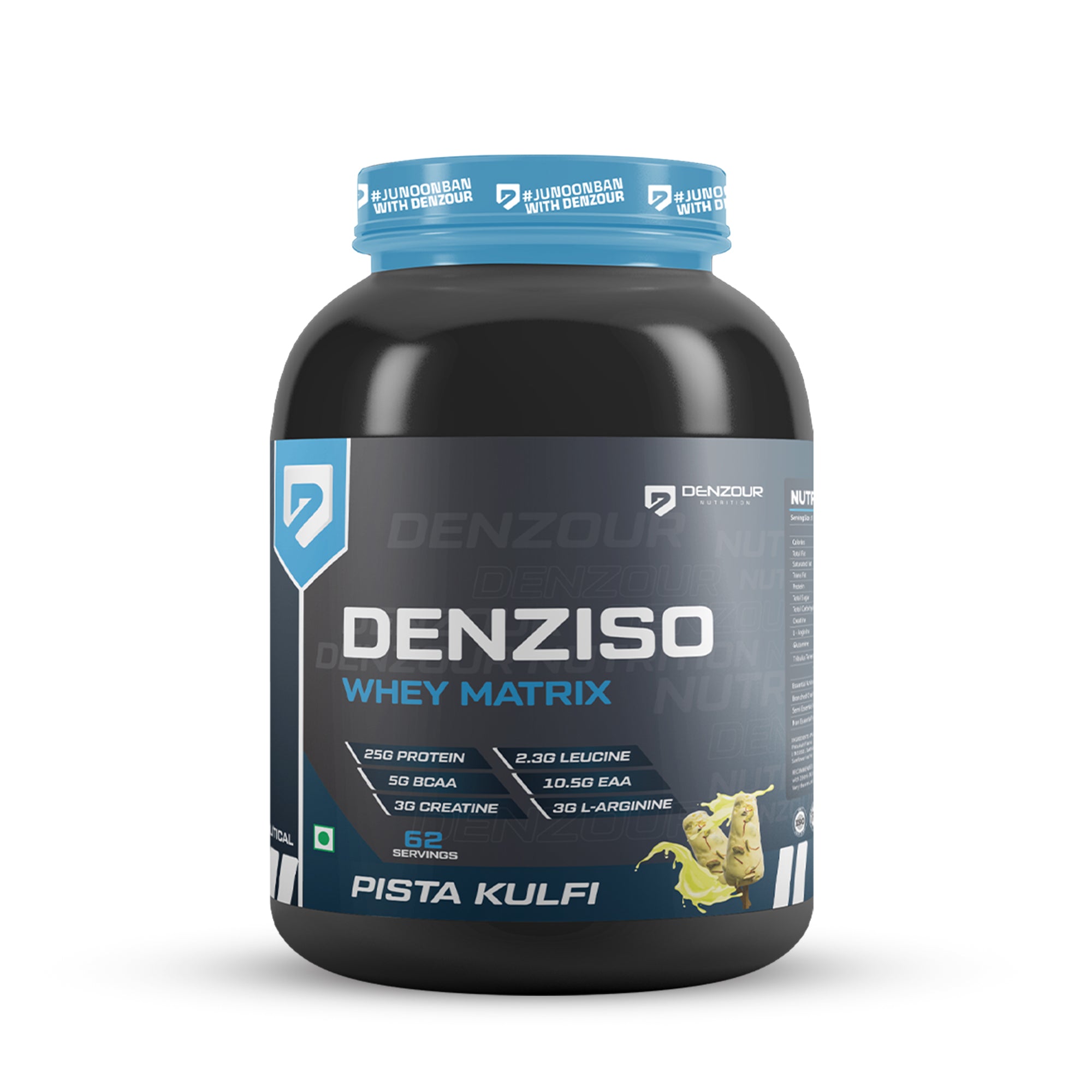
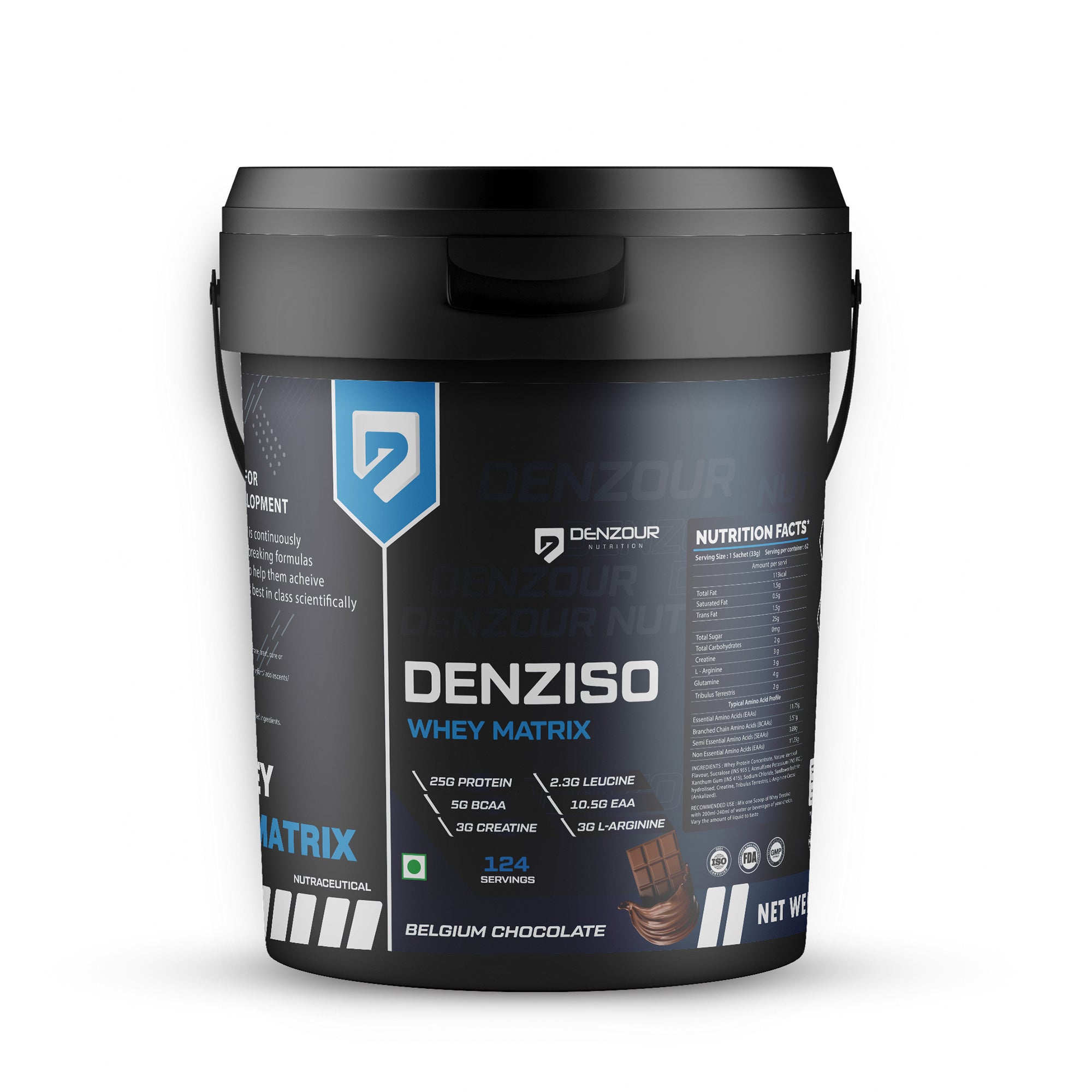
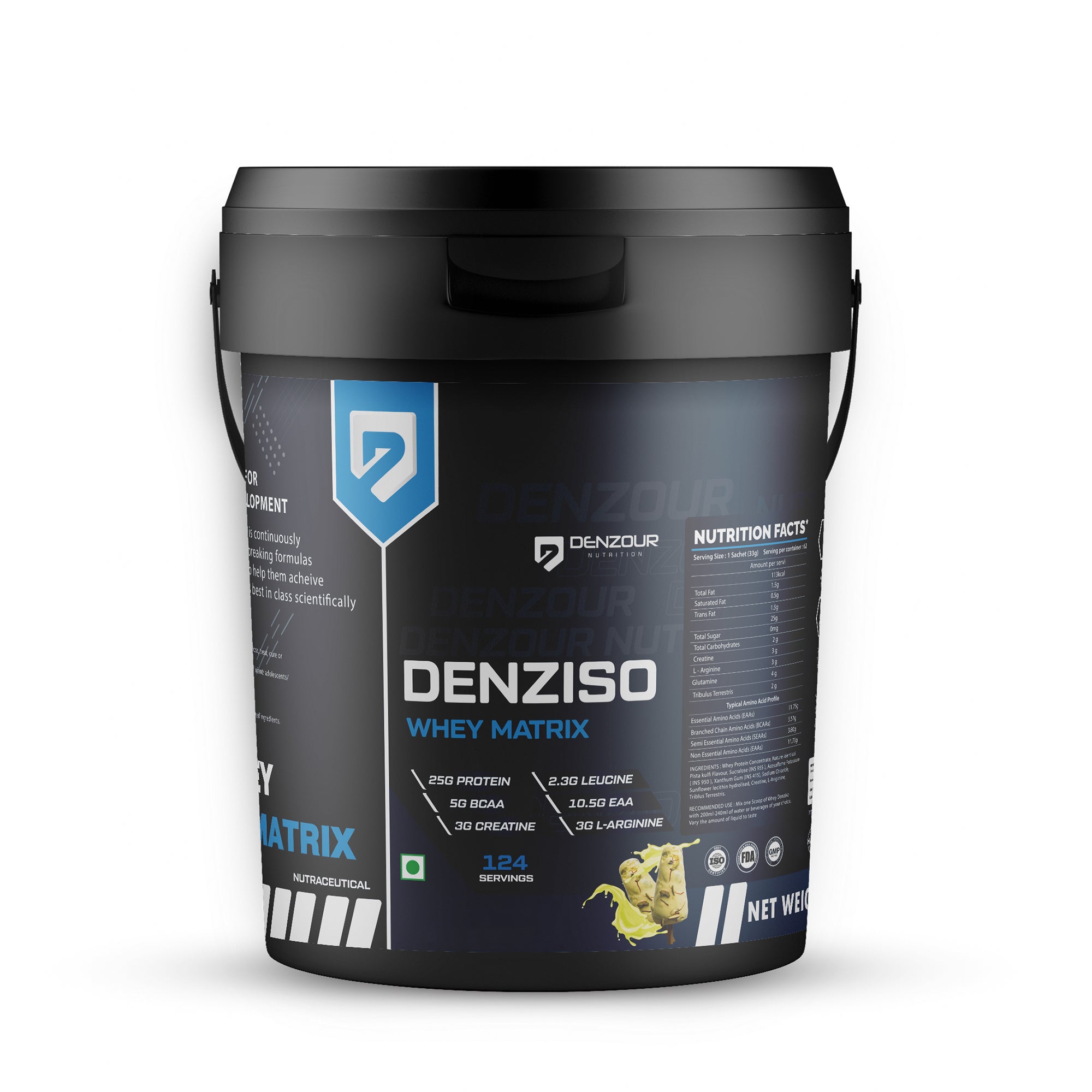
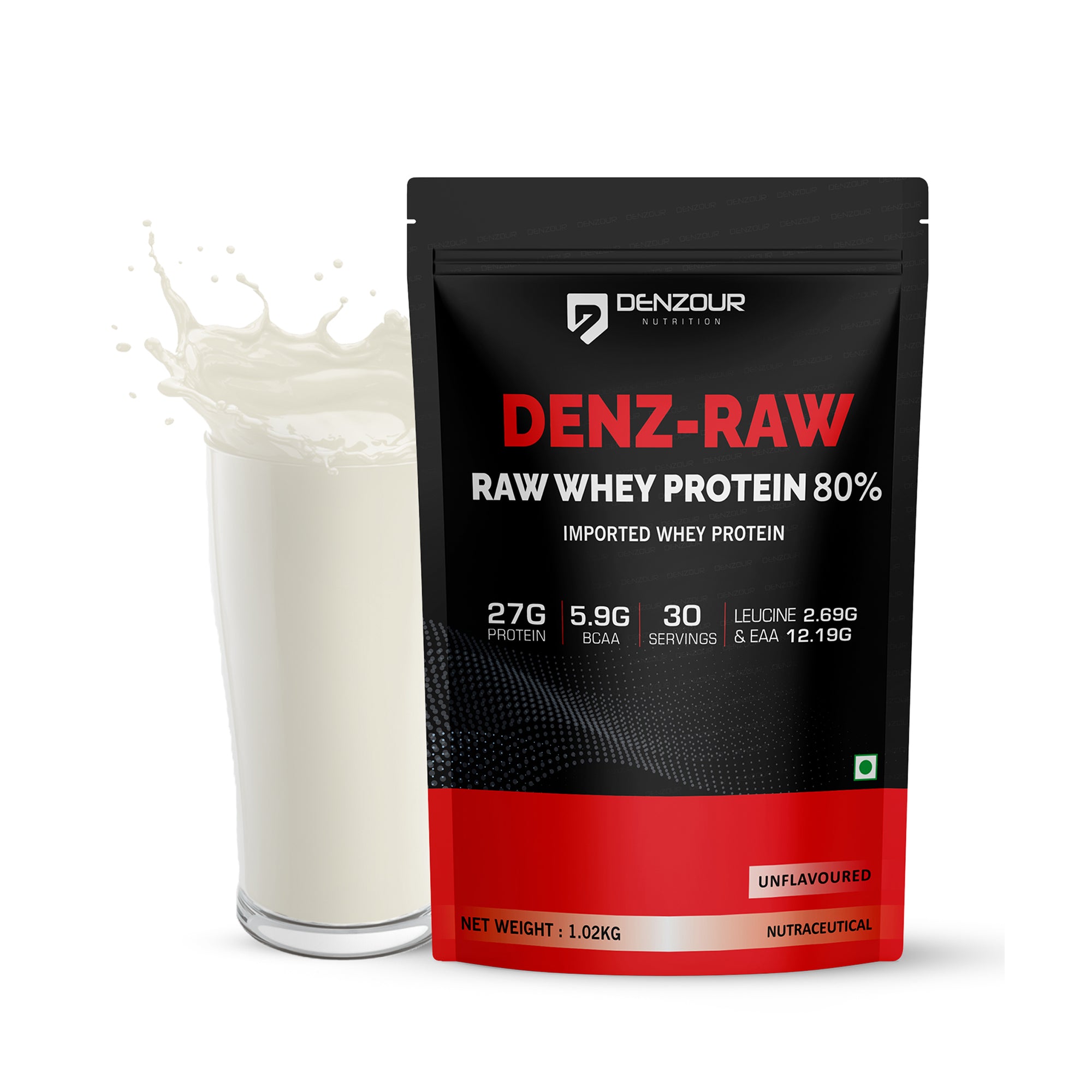
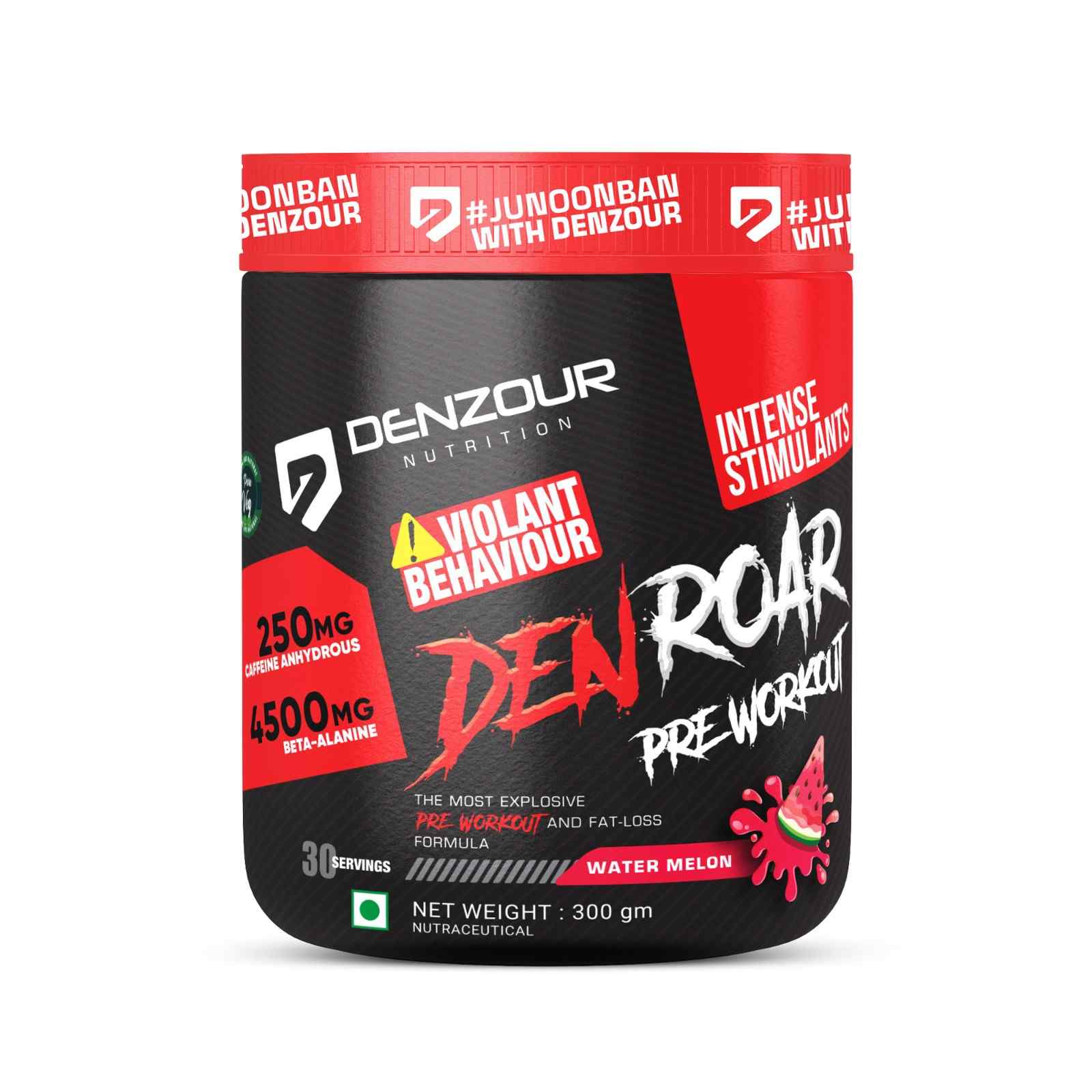
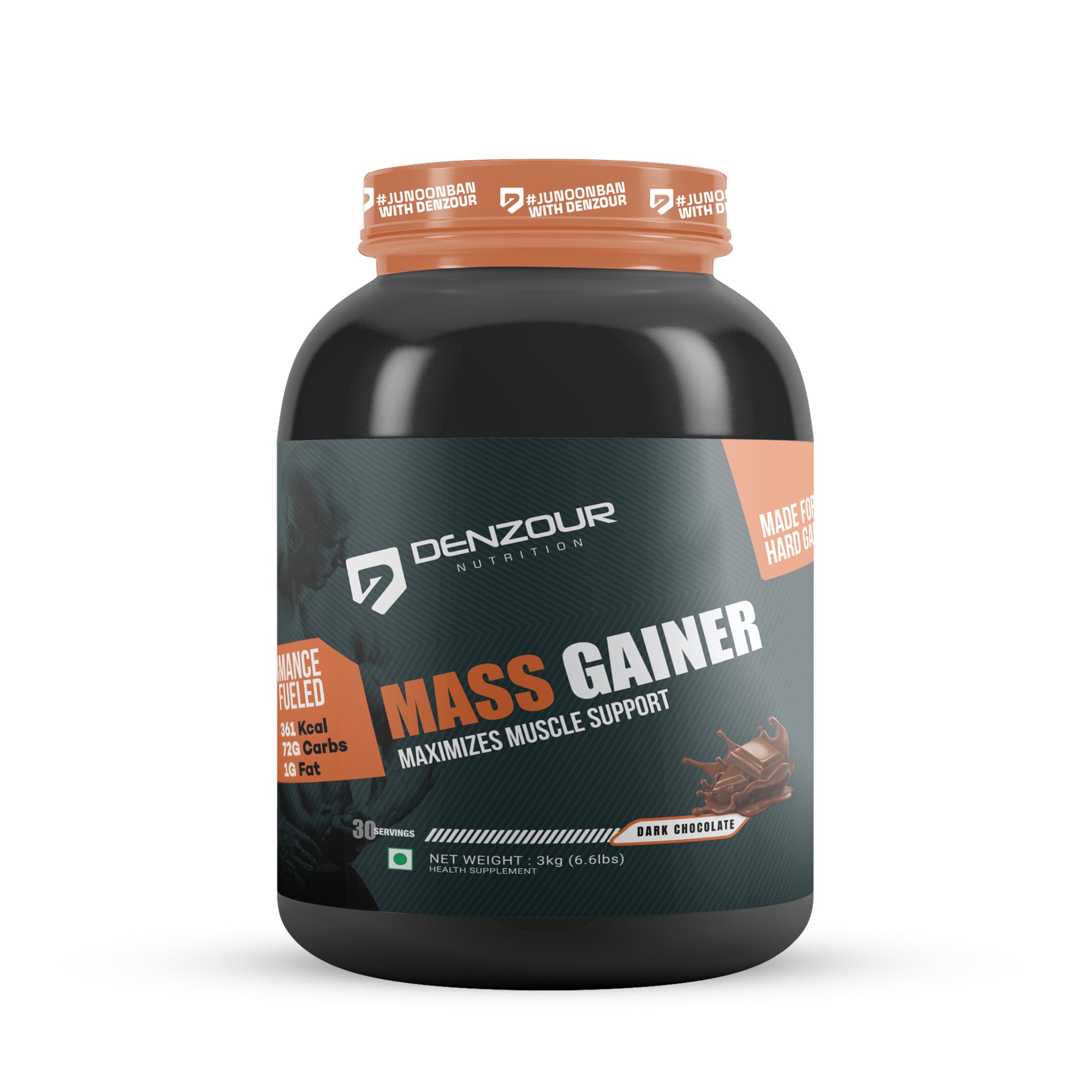
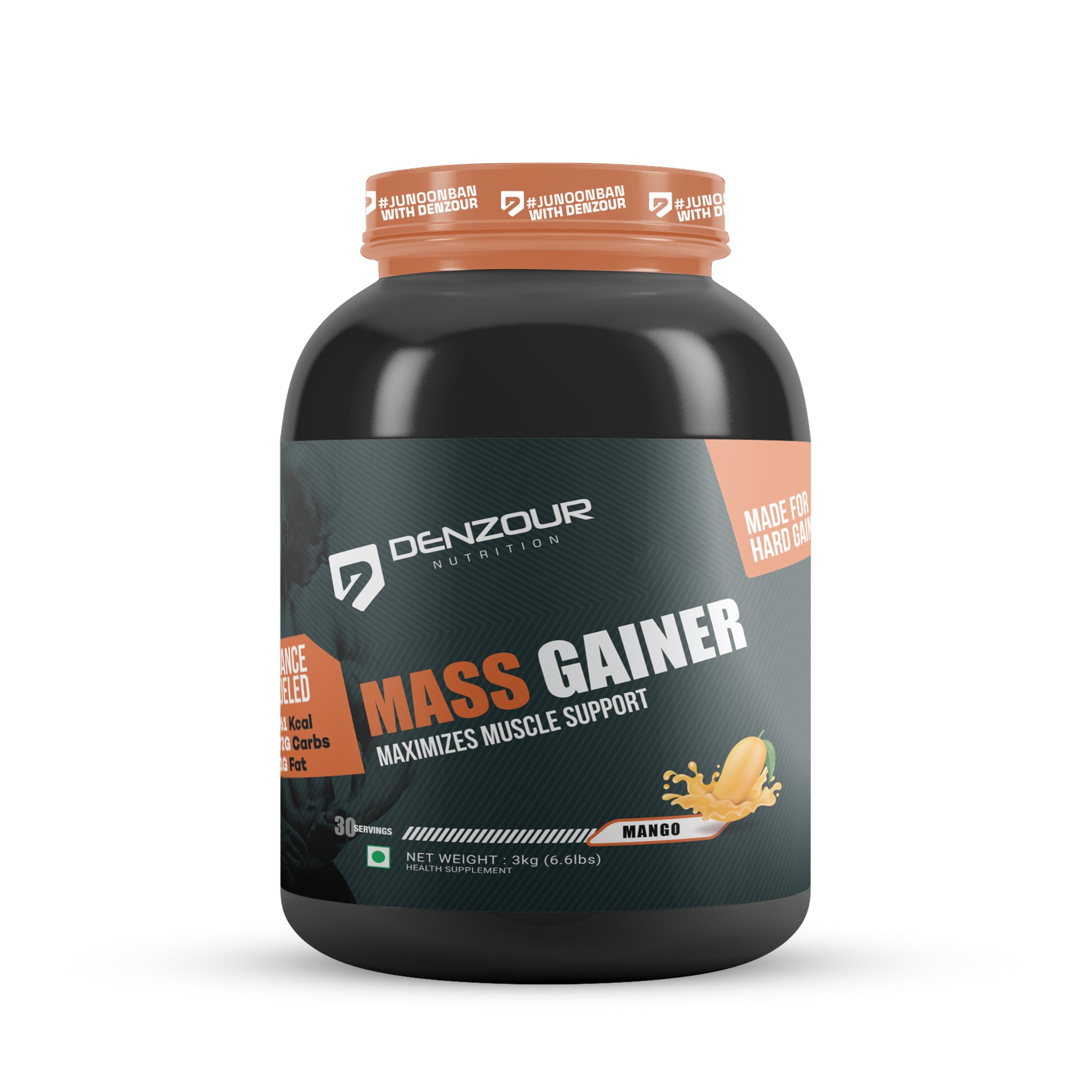
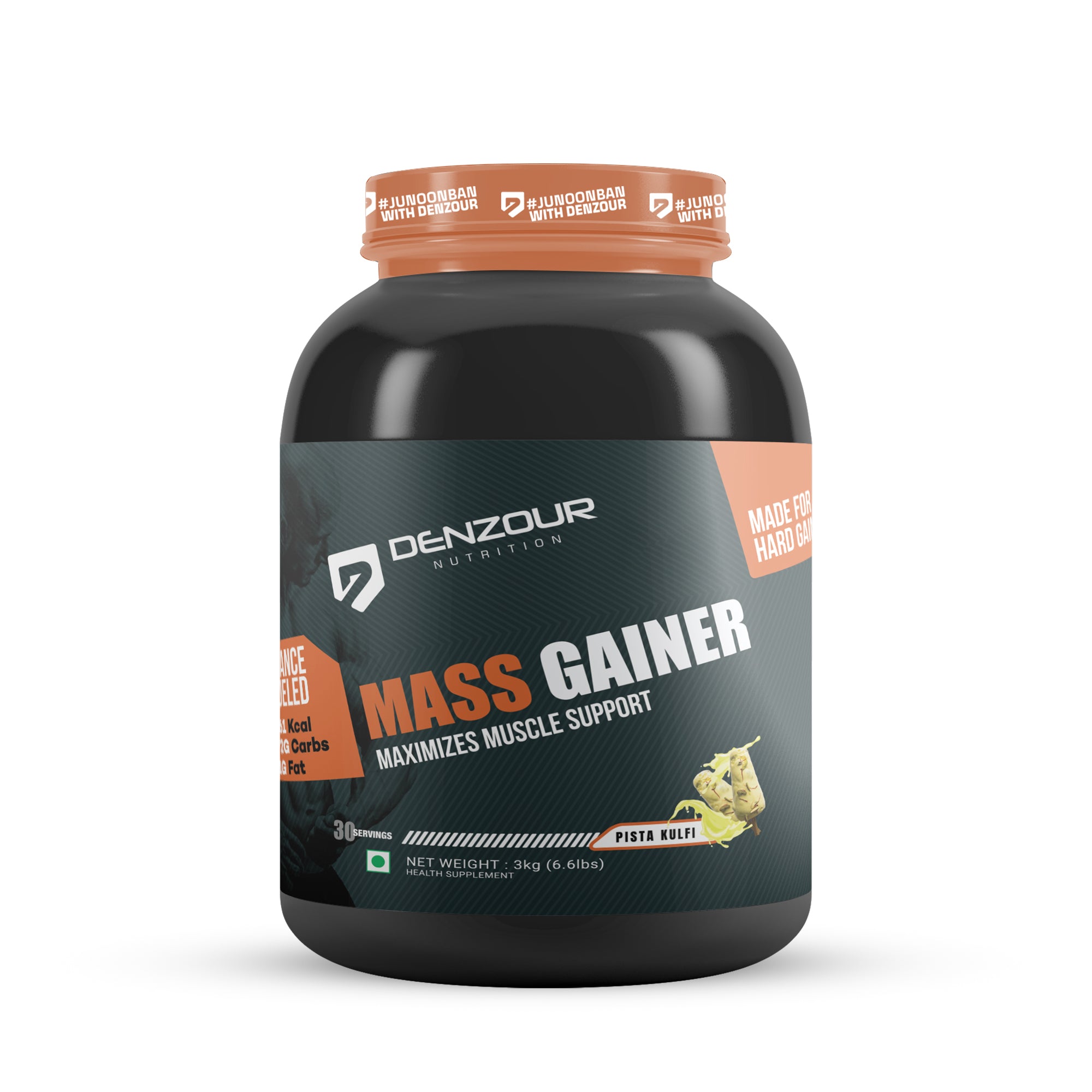
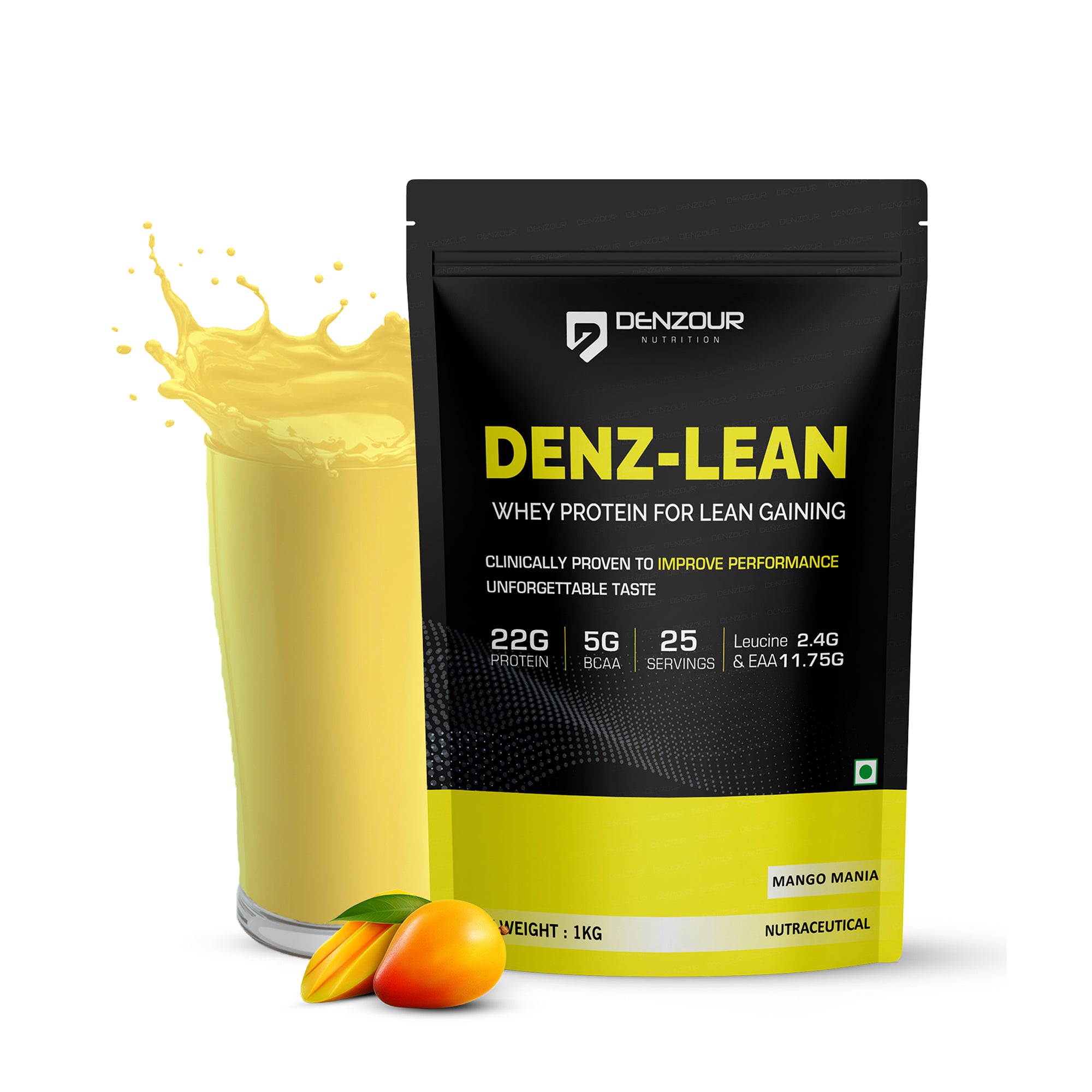
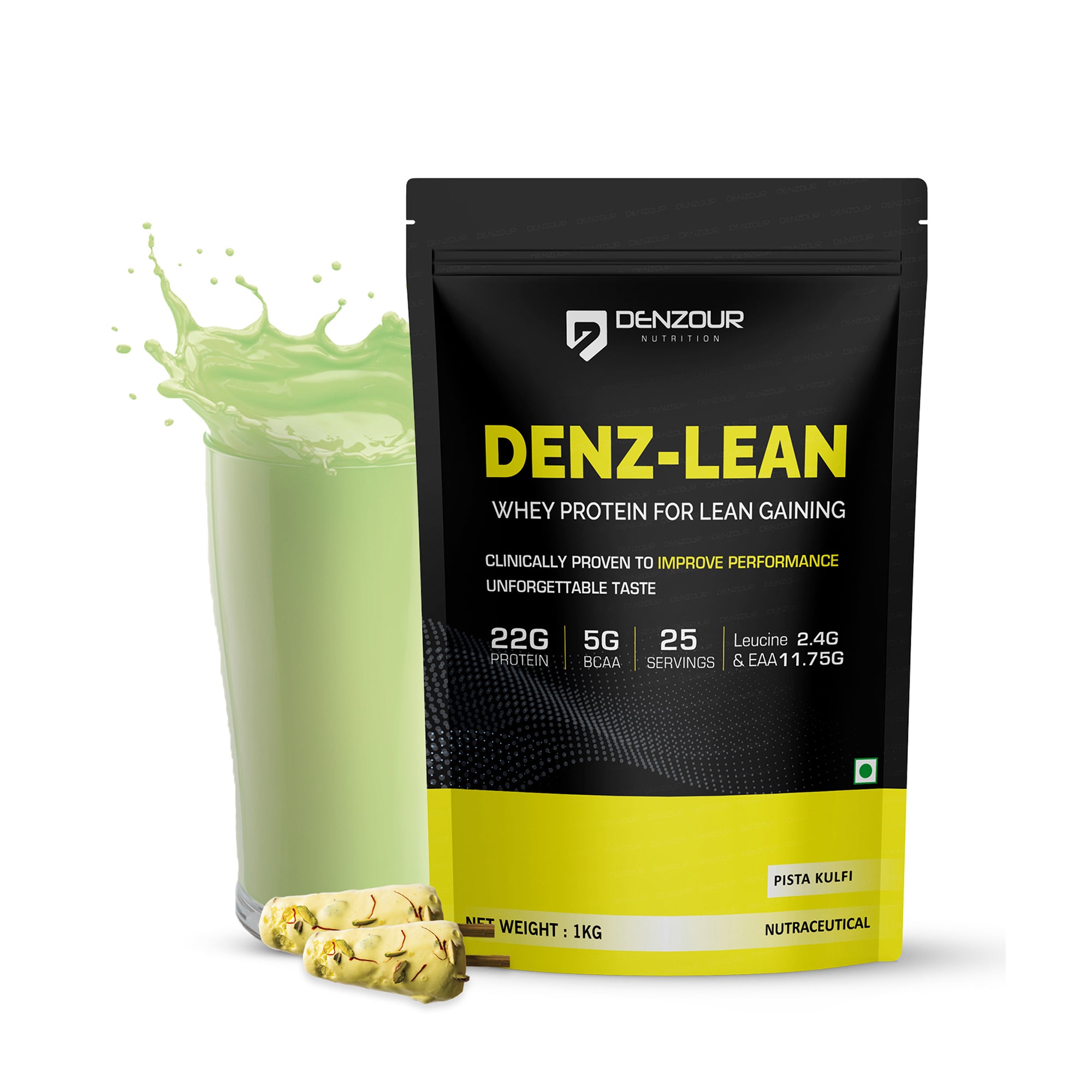
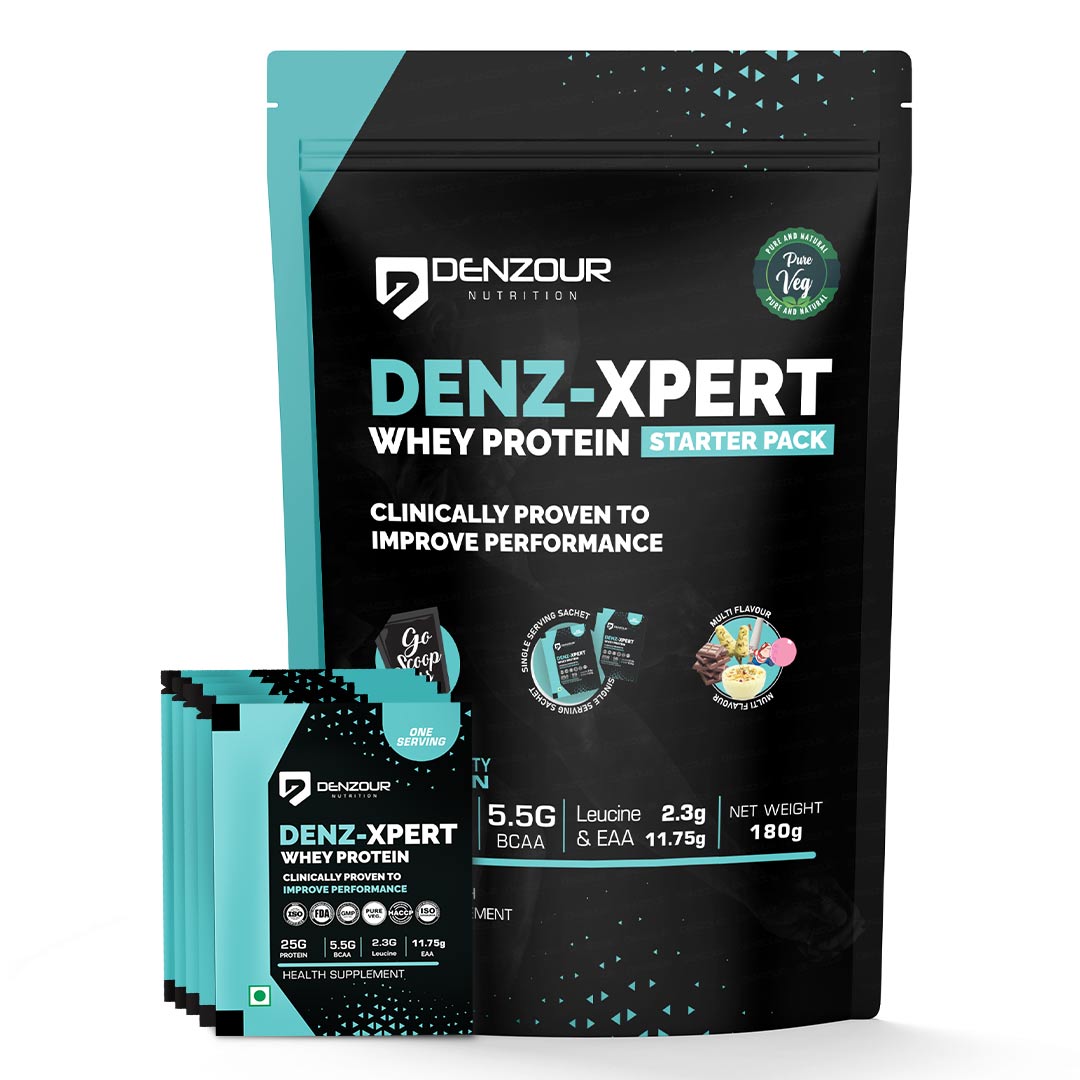
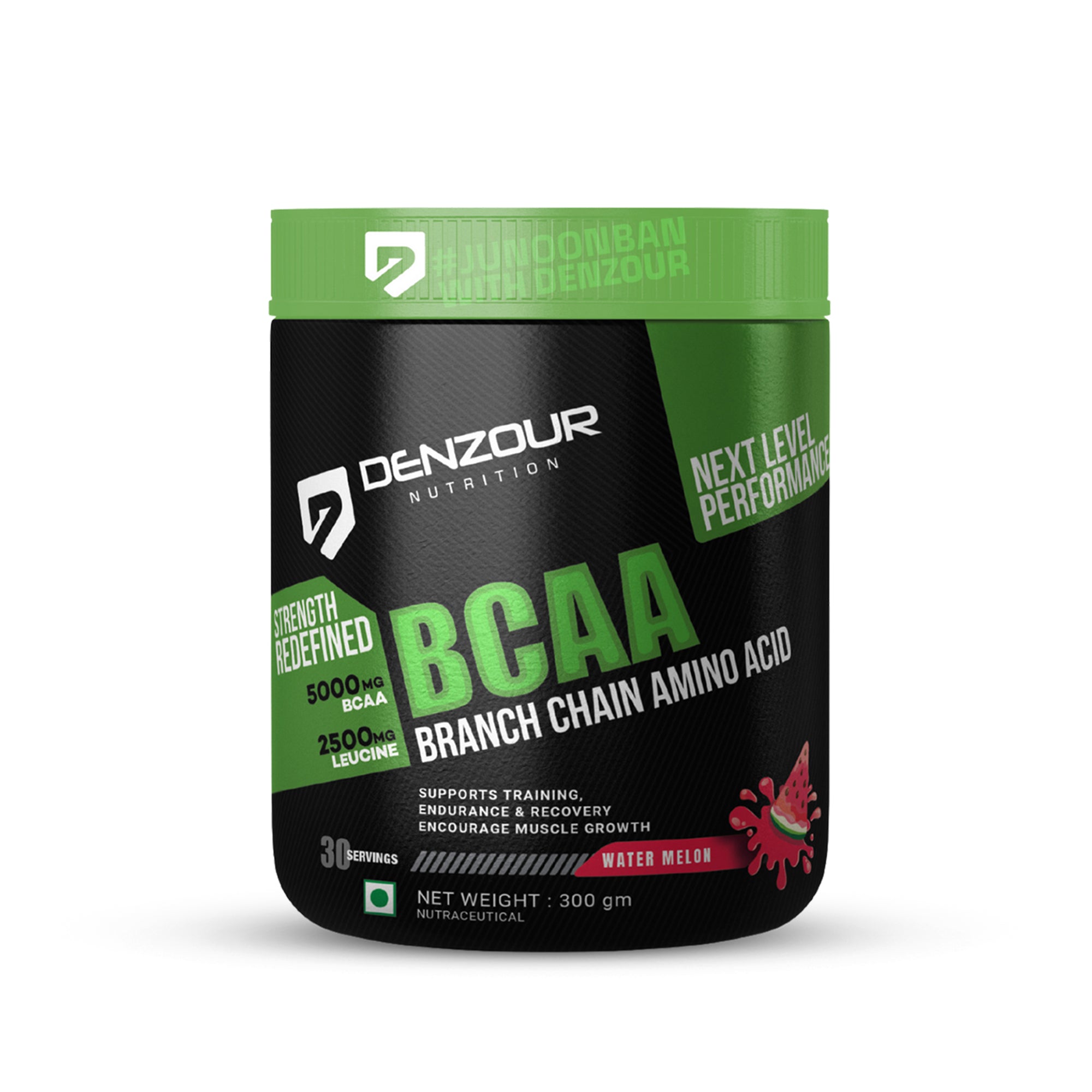
You don’t need to quit your protein shake. You just need the right protein powder! That’s where Denzour Nutrition steps in. At Denzour, we’ve created a BIG Protein line designed for maximum results and zero discomfort. Our premium-quality powders are:
1. Low in lactose
2. Free from unnecessary fillers
3. Packed with clean protein for lean muscle growth
Final Thoughts
Don’t let whey protein bloating stop your progress. With a few smart choices and the right supplement, you can fuel your body and feel amazing without the gas and discomfort.


