















Chapati (also known as roti) is one of the common foods in an Indian diet, thus it’s normal to want to know the “calories in a chapati” particularly if you’re trying to lose weight or control your food intake or sugar levels. The fact of the matter is, chapati calories aren’t the same for everyone since they differ based on size and thickness of your roti as well flour type you use and whether you drizzle a little ghee or oil. In this article you’ll receive a straightforward, no-nonsense calorie range as well as an easy system for calculating calories in 1, 2 or even 3 chapatis.
Short Quick Answer (Calories in One Chapati)
- A medium size plain chapati (about 40g dough) has around 120 calories.
- 1tsp of ghee/oil will contribute towards an extra 40–45 calories to one chapati, so now a full one can be ~150–170 (depending on how much you add).
Calories in One Chapati
One chapati (roti) contains about 80–120 calories, but the amount is determined by size and weight of the dough (per piece). Most Indian nutrition references often calculate 1 medium chapati (weigh 40gm, having 120Kcal). This is why you’ll get different answers to the question “how many calories in one chapati” on different websites—because a small, thin chapati can be closer to the low end of the range, and bigger/thicker ones can go higher.
If you do, calories rack up fast. Some of the highest common chappatis containing 110–160+ calories (for example, adding ghee can significantly add up to this number by about 30-40 per chappati, depending on how much in that range and so forth). That’s also why “calories in chapati” vary so much between home-made rotis and restaurant rotis—restaurants typically serve larger rotis, and might brush them with oil or ghee.
To simplify, if you’re wondering about Calories in one chapati with oil, you can consider it as mostly whole wheat flour + water and hence most of the calories in a chapati 10 come from carbs (and some protein and fiber). Here also though, there are a number of guides that indicate that chapati makes up a dietarily balanced Indian meal when eaten with veggies and sources of protein such as dal, curd (yoghurt), eggs, paneer or chicken. Instead of aiming to memorize a specific number of rolls, use a rough guideline and adapt as you do more batches in your own kitchen with your roti size and cooking style.
Key points that change calories in one chapati:
- Dough ball size (weight): A “medium” chapati is usually thought to be somewhere around 40g, and would probably be counted as about 120cals.
- Thickness: More dough means more calories, so they climb with thicker chapatis.
- Type of flour: Whole wheat, multigrain, bajra, jowar etc can marginally alter calories and macros.
- Ghee/oil/butter: Using ghee will add upto 30–40 calories (or more, if you use more).
- Portion size: If 1 medium chapati is approximately 120 calories, then 2 chapatis would be 240 calories and 3 chapatis – 360 cals (bye bye weight loss).
One Chapati Calories
- Small chapati (thin): ~80–100 calories
- Medium chapati (approximately 40g): ~120 calories
- Medium chapati + ghee: add ~30-40 calories
Chapati Nutrition Facts (Carbs, Protein, Fiber & Fat)
Nutrition facts for 1 medium chapati (roti) around 45g (plain)
- A medium sized chapati contains 119 kcal of energy.
- 1 medium chapati has about 25.1 grams of carbohydrates.
- A medium chapati contains about 2.7 grams of dietary fiber, which aids your digestion.
- The sugar content of one medium-size chapati is very low—approximately 0.5 grams.
- Net carbs in 1 medium chapati (carbs – fiber) is 22.4 grams and I see it as too much of carb intake for a Ketogenic lifestyle from my experience!
- A medium chapati contains about 4.3 grams of protein, and it could be a good source of everyday protein intake.
- The total fat content in an equal size chapati is 0.5 grams which again is way too less.
- Saturated fat in a medium chapati is about 0.1 gram, so it’s a low-saturated-fat food.
- One medium roti has almost 55 mg sodium if salt in dough is moderate.
- Approximately 1.2 mg Iron is available in 1 medium chapati which helps maintain normal blood function.
- A medium chapati has approximately 120 mg potassium that proves beneficial for muscle and fluid balance.
- One medium chapati contains around 10 mg of calcium, contributing a little to your daily requirements.
Nutrition facts per 100g whole wheat roti (macro + key minerals)
- Approximately 300 kcal/100g can be obtained from whole wheat roti.
- The carbohydrates in chapati are 46.13g (in 100g).
- Protein gets up to almost 7.85g in a 100g serving.
- Fat is 9.2g per 100 g of roti.
- Potassium is about 196mg per 100 grams.
- 100g chapati has nearly 56mg magnesium.
- Calcium is 36mg per 100g serve.
- Sodium is as high as about 298mg (in 100g).
- Iron It contains around 2.2mg per 100g of whole wheat roti.
Vitamins listed per 100g roti
- Whole wheat roti, which has 0.36 mg of vitamin b1 per 100g.
- Almost 0.18 mg of Vitamin B2 is there in chapati per 100g.
- Vitamin B3 is approximately 4.61 mg in a 100 g serving.
- In 100g roti, Vitamin B6 is about 0.28 mg.
- Vitamin B9 (Folate) is also found in trace amounts with 0.038 mcg per 100g.
- It has an average of 0.55 mg/100g of vitamin E.
- Vitamin K content is 0.003 mg in 100g whole wheat chapati.
Calories in 3 Chapati
The number of calories in 3 chapati depends upon the size of each chapathi and whether it is cooked with oil or without it. At home people generally have medium size whole wheat chapatis, and a rough estimate is 1 medium chapati (approx 40g dough) has 120 calories. So according to this, calories in 3 chapati are approximately 360 when they are plain (without ghee/oil). This figure is a useful average and good for daily monitoring, weight loss budgeting, or adjusting meals.
But the total calorie count can vary greatly depending on how thick, big or fat (if at all) your chapatis are. Ghee provides calories fast, even if you don’t use that much. Since 1 teaspoon of ghee adds around 45 calories, by applying it on one chapati you can easily turn your moderate meal of 3-4 chaptis to a high calorie affair on its own. Due to this… If your goal is weight or blood sugar control, you are better served by looking at portion size + cooking method (see article just linked to) and what you’re eating with chapati (e.g. dal, sabzi, salad etc), to maximize fullness and nutrition.
- 3 plain medium chapatis: ~360 calories (120×3)
- 3 small (thin) chapatis: ~240-300 kcal-ish
- 3 big/thick chapatis: ~420-510 (approx.) calories
- 3 chapatis with ghee (1 tsp each): 135 calories more (45 × 3) totalling 495 calories
Health Benefits of Eating Roti
Roti (chapati) is a simple, daily bread that could be healthy as long as you eat it in the correct portion and with complementary foods such as sabzi, dal, curd and salad. Here are some of the major health benefits of roti:
- Roti provides a stable source of energy as it is made predominantly of carbohydrates which serve as the fuel for your daily activities and exercise.
- It is good for digestion As whole wheat roti is rich in dietary fiber, it can aid better bowel movement and make your gut happy end of the day.
- Roti keeps you full for a long time, so it may lead to less unnecessary snacking and overeating as compared to many refined foods.
- It is good for weight management in moderation if you eat it without adding ghee or select plain roti over greasy roti or paratha.
- Whole wheat roti can be better for controlling blood sugar than goods made from refined flour, mainly owing to the presence of fiber in whole wheat that slows down sugar absorption (though portion size still matters).
- Even a small portion of roti provides some plant-based protein, which is infinitely more beneficial when eaten with dal, paneer, eggs or chicken.
- It has vital minerals such as iron, magnesium, potassium and calcium for energy metabolism, muscle recovery and overall body function.
- As roti is naturally low in sugar, it turns into a cleaner staple when you do away with adding too much butter/ghee.
- Most people find it easy to digest and fresh soft fulka made from good quality atta is always a winner.
- Roti can be established in practically any diet regime type (vegetarian, high protein Indian foods, healthful eating) as it can be accompany a positive side dish.
Can Chapati Help with Weight Loss
- Yep, chapati can help you lose weight, but format matters If portion size and total daily calories are controlled.
- Go for simple roti (which is without ghee/oil) or chapati in most of the days to maintain cupping calories.
- You should eat 1–2 thin, medium sized chapatis at each meal (adjust as per your activity level).
- Pair roti with protein + vegetable (dal/curd/paneer/eggs + sabzi/salad) for enhanced satiation.
- Do not over-eat thick/oversized rotis and extra ghee topping as, then, the calories get added fast.
- Avoid fried sides and heavy oily gravies, since they add even more calories than roti.
Tips for Weight Loss with Chapati
- Make sure the chapati is medium and thin in size (do not make big/thick rotis).
- Choose for plain roti rather than ghee/oil roti on an average day.
- Restrict the number you have per meal ( 1–2 chapatis at a time for weight loss).
- Add more sabzi + salad into you early to be full for fewer calories later.
- Always have a protein side (dal/curd or paneer eggs or chicken) to keep you full.
- Steer clear of calorie-packed sides such as fried foods, creamy gravies and extra butter.
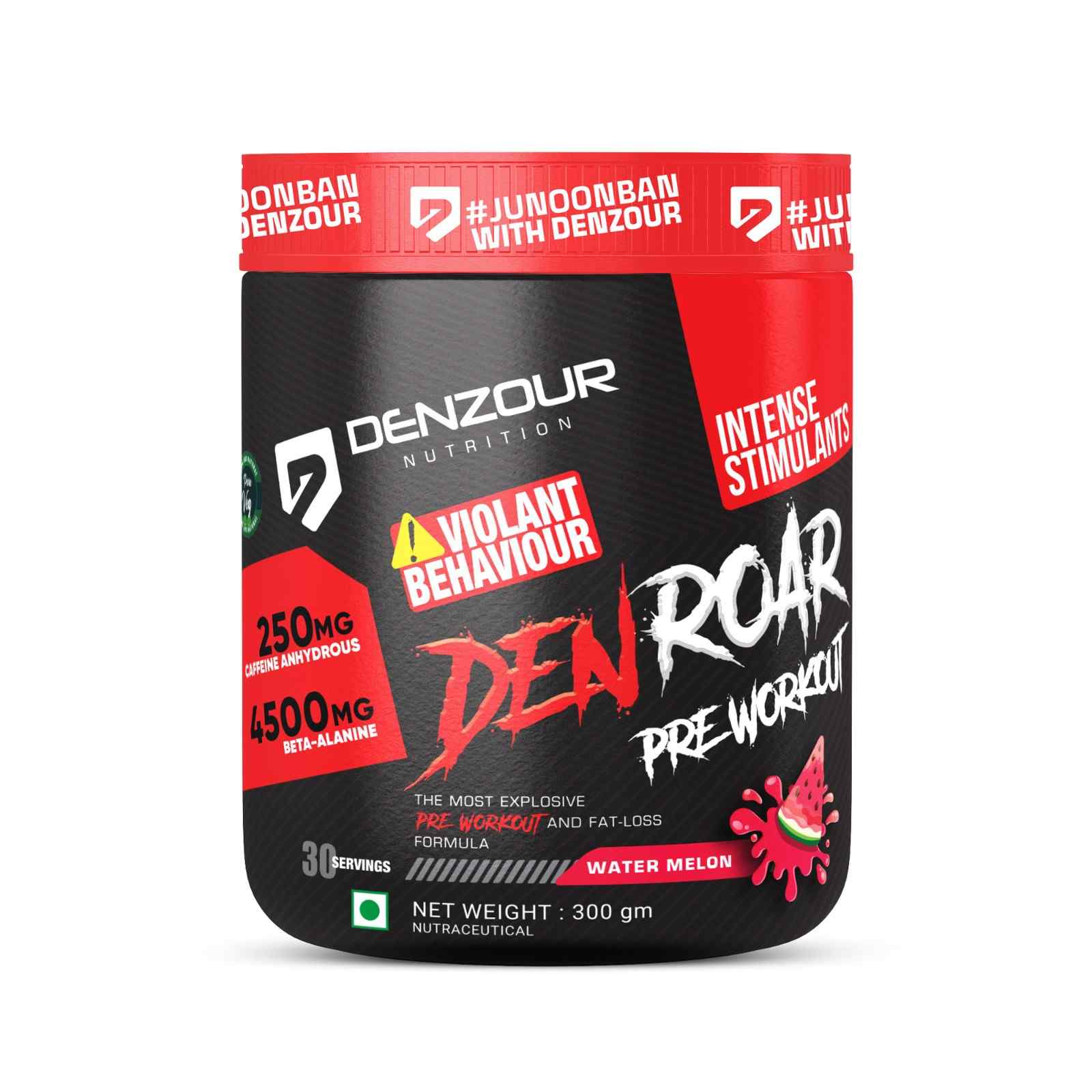
If you are working out for fat loss, energy and focus is important. A solid pre-workout can help you train harder and stay consistent while ensuring the perfect environment for high-energy, maximum-output workouts. If you want to try something preworkout, give Bee HP Pre Workout Powder (250mg caffeine) a shot for an easy clean boost before training–it’s especially helpful on those days where you feel groggy or without motivation.

Is Chapati Good for Diabetes
- Yes, chapati can be a good choice to the diabetic diet if consumed in controlled portions along with other high-fiber or whole wheat rotis.
- Fiber can slow sugar absorption, and potentially, lead to steadier blood sugar.
- More than anything, portion control matters — overdoing rotis can still send blood sugar skyrocketing.
- To make up for this I have to add more ghee/oil, in a way adding on to the calorie intake and hampering weight management.
- Combine chapati with dal/curd/paneer + sabzi/salad to attenuate glucose spikes.
- Option for roti over refined flour items (such as maida-based foods) to make better everyday choices.
Conclusion
Health benefits of Eating Chapati (roti) This is healthy everyday food if you eat with right quantity and quality. A medium sized plain chapati has a total of approximately 100–120 calories, however it may vary depending on the size, thickness (in this case) and even the flour! For weight loss and diabetes-friendly eating, the smartest is thin medium size whole wheat roti (without any extra ghee) always with protein or veggies for more satiety and better blood sugar control. In sum, chapati is not unhealthy the portion and the preparation of it make all the difference.


