









Moong dal is among India’s most dependable pulses and for good reason. Easy to cook, light on stomach and extremely versatile for everyday consumption whether you are consuming it in its simple dal form, khichdi or chilla or sprouted – lentils make a perfect meal anytime. But when you do a search for “moong dal protein per 100g”, they usually get confused because which type of moong in on the checks – raw (dry), cooked, or sprouted, is what determines the change in number of protein count. Dry moong dal has a ‘high’ appearance of protein because it is concentrated and cooked moong dal has relatively ‘less protein load’ per 100g as there is water added to it after boiling. Sprouts are also, of course, nutritious and very fresh but their protein per 100g is lower than they would be when dried as sprouts hold a huge amount of water.
Moong Dal Protein Per 100g: Raw vs Cooked
A) Raw (Dry) Moong Dal Protein Per 100g
- Uncooked moong dal (dry) is generally around ~24g protein per 100g.
- Another reference indicates protein for moong varieties (green and yellow) as 24.5 -25.73g per 100g of respective variety.
Why it’s high: raw dal contains almost no water — so its nutrients are “concentrated.”
B) Cooked Moong Dal Protein Per 100g
Moong dal becomes heavier since water is absorbed. So in cooked weight, protein looks lower and that’s why.
- Cooked moong dal -7g protein per 100g, 105 calories per 100g.
C) The Practical Conversion (So You Can Track Protein Correctly)
A highly useful way of thinking:
- Protein is based on the dry dal weight, and not its cooked weight.
- If you cook 30g raw moong, you may get ~80–120g cooked irrespective of water content and thickening.
So the protein is roughly the same, but the cooked weight varies.
The best tracking method: measure raw moong dal (dry) in grams.
Green Moong Dal Protein Per 100g
Green moong dal (whole or split) is one of the best vegetarian superfoods in Indian cuisine, which is ideal for people who wish to stay healthy and slim down at the same time. Since it still has that outer green skin, also tends to be higher in dietary fiber than the dehusked variety, which can contribute to better fullness cues and digestion when cooked well. A lot of people include green moong in their everyday meals, such as dal, khichdi, sprouts and salads as well as in cheela batter to get a protein boost without having to depend on supplements.
But, keep in mind that protein values are calculated according to raw measurements as water content and other things present in uncooked dal contribute to an increase in overall weight, however there will be a higher concentration of proteins as well - so the most accurate comparison for cooked portion is always dry/raw per 100g If you are keeping track of your protein intake either for fitness or weight loss then measuring out your dal while it's still raw would be the easiest way.
- Green moong dal has approximately 25.73g of proteins in 100g (dry/raw) amount.
- Calories (100g of dry/raw green moong dal): ~347 kcal
Yellow Moong Dal Protein Per 100g
Yellow moong dal (the split and dehusked mung bean) is a staple in the diets of people trying to get plenty of protein without too much trouble digesting. As the husk has been removed, it cooks faster and lesser to its weight is felt than green moong, yet loaded with protien in dry state. Before basing your decision on the “per 100g” numbers you saw online, check if those are for dry (raw) dal or cooked dal when cooking you add water so per 100g by weight protein and calories are less.
For weight-watchers, you can measure the quantity of dry dal that you are using for the recipe and enjoy it as dal, khichdi or chilla with veggies. Tadka oil should be as less if you are on a diet. It gets slimey- so stir it well until the texture seems about right, soak it a few hours to get that nice tooth again and reduce the bloating potential when its time for your body to digest! It suits kids and elders too.
- Protein (per 100 g, dry/raw yellow moong dal): ~24.5g
- Calories (in 100g of dry/raw yellow moong dal): ~348 calories
Moong Dal Sprouts Protein
Sprouted Moong dal is a known choice for those who want their food light, fresh and enriched with nutrients. As they lend crunch and are easy to digest for most, sprouts are often eaten in salads, chaat or simply as a snack. But then, when you google “moong dal sprouts protein”, remember that the reason a cup of moong dal shows more proteins per 100g than it now looks like is because they have so much water in them.
While sprouting does boost freshness, and add diversity to your diet – sprouts often best serve as a side food (fiber + micronutrients) rather than serve as your main source of protein. If you want to increase your protein intake then you may also mix sprouts with curd/ paneer/ tofu or simply cook moong dal (moong pulse) in the same meal to have a balance of good overall proteins.
- Calories (100g of moong sprouts): Around 30 kcal
- Protein (per 100g moong sprouts): ~3g
Moong Dal Chilla Protein
Moong dal chilla (moong dal cheela) or mung dal chilla is a high protein Indian breakfast / snack prepared by soaking moong dal, grinding it into smooth batter and cooking it like pancakes on tawa. Chilla is more satiating than traditional flour-based ones as it packs a combination of protein and fiber, which means you feel fuller for longer. The Protein in moong dal chilla: How much protein a chilla actually contains depends on how much dry moong dal is used to make the batter (the more the better, when we’re talking about nutrition here), and how much oil was used while cooking.
If you wish to make it more protein-rich, You can stuff this with Paneer/tofu by topping/serve curd along with stuffed bread or mix up onions, spinach and capsicum for better volume and taste. If weight loss or muscle gain are your goals, moong dal chilla or pancakes is a smart, clean option -- especially when made with less oil and served with a high-protein side.
Nutrition (Approx.)
- Calories: ~180–220 cal (2medium chillas with little oil)
- Protein: ~9-12 g (approx based on 40-50g dry moongdal used in batter)
Moong Dal Nutritional Value Per 100g
The final nutrition details “per 100g” of moong dal for both types—Raw/Dry (for macros tracking) and Cooked (real serving comparison). Some numbers can be different depending on variety/brand and thickness of cooking.
Moong Dal Nutritional Value Per 100g (Raw/Dry)
Moong dal (mung bean) is a powerhouse of nutrition providing an excellent source of plant protein, complex carbohydrates and dietary fibre. When you read “Moong Dal Nutritional Value per 100g” on nutrition charts, don’t confuse it as cooked moong dal – this number is generally for raw/ dry moong. Dry moong feels relatively higher in protein and calories because there’s no water weight—when you cook it, those same nutrients spread across a heavier (water-absorbed) serving. Following are standard nutrients for moong dal per 100 g serving (which can vary a little by cultivar & brand).
- Calories: ~347 kcal — energy-rich because it’s dry and concentrated.
- Protein: ~23.86 g – good source of vegetarian protein for every day diet and muscle support.
- Carbs: ~62.62 g — primarily complex carbohydrates giving long-lasting energy.
- Fibre: ~16 g — maintains a healthy digestive system and increases satisfaction (satiety).
- Fat: ~1.15g – naturally low-fat (comes from carbs + fat).
Key Minerals
- Potassium: ~1246–1250 mg – helps manage fluid balance and keep your heart functioning.
- Iron: ~6.5mg - essential for hemoglobin and energy levels.
- Magnesium: ~120 mg – for muscles, nerves and energy metabolism.
Important Note: Checking nutrition for cooked moong dal, and it will be slightly lowe (per 100g raw) as he weight goes up due to water here so if you are tracking macros or the like, measure grams raw, and cook it.
Moong Dal Nutritional Value Per 100g (Cooked)
It is a balanced and nutrient rich pulse which supplies complex carbohydrates in addition to protein gives fibre in a simple, light form. If we talk about “Moong Dal nutritional value per 100g”, most readers will interpret this as cooked moong dal (and not raw/ dry). A good method of estimating portions can be a 100g cooked portion as this corresponds to real meal servings and makes comparing calories and macros straightforward. Note: the quantities can differ a tad bit based on how thick/thin you cook it & if any ghee/oil tadka is included and ingredients like onion tomato added in. That said, the values below are a very good ballpark figure for basic, cooked moong dal
- Calories: ~105 kcal — low calorie density, perfect for serving light meals.
- Protein: ~7g – decent plant protein content for a 100g cooked serving.
- Carbohydrates: ~19g — predominantly complex carbs for slow release energy.
- Fibre: ~7.6g — good for digestion and keeps you feeling full longer.
- Fat: ~0.4g – naturally very low fat (until you Add tadka).
- Sugar: ~2g — all naturally occurring, no added sugar.
Key Vitamins & Minerals
- Folate (Vitamin B9): ~159 mcg — essential for cell growth and well-being.
- Magnesium: ~48 mg — for muscle and energy metabolism.
- Iron: ~1.4 mg — for hemoglobin and transporting oxygen.
- Potassium: ~266 mg — for fluid balance and heart health.
.
Moong Dal Benefits (Mung Bean / Green Gram)
Why moong dal is so popular: Moong lends a robust combination of plant based protein + fiber + micronutrients, and also tends to be much lighter compared to many other dals in typical Indian meals.
1) Good plant-protein for daily diet
Moong (mung beans) is a significant source of protein that can help meet the daily requirements in a vegetarian diet!
2) Supports digestion & gut health (fiber-rich)
Vitamins and nutrients: Moong beans are an excellent source of dietary fibers, which helps in promoting a healthy digestive system and also prevents constipation and other digestive issues on regular consumption, they can help maintain fullness post meals.
3) Helps with fullness and weight management
As a mix of protein + fiber, moong dal can keep you feeling fuller longer, which in turn, could aid toward portion control and weight-management goals.
4) May support blood sugar control (low glycemic response)
Legumes such as mung beans naturally elicit a lower glycemic response, in part due to the fiber and complex carbs.
5) Heart health support (fiber + potassium)
Mung beans are typically promoted for nutrients such as potassium and fiber, which can be part of a heart-healthy diet.
6) Rich in antioxidants and protective plant compounds
Natural antioxidants, such as vitexin and isovitexin, are present in mung beans. That’s because they help the body combat oxidative stress — a dynamic that allows harmful free radicals to damage cells. Antioxidants are believed to help manage overall health and long-term inflammation-related issues by decreasing oxidative stress.
7) Good for folate and other key nutrients
Moong is a rich provider of folate (Vitamin B9) and also other vitamins/minerals which are essentials to achieve overall health (boost energy metabolism, keeps cells healthy).
8) Versatile and easy to include in Indian meals
It can be used with dal, khichdi, chilla/cheela, sprouts (cooked), soups, salads, etc.—so it is not difficult to consume regularly.
Moong dal side effects and precautions
The moong dal is totally safe and good for most people, but there can be some side effects based on your digestion, the quantity you eat and how it’s prepared. Due to its fiber and plant content, some people may have discomfort when first increasing their consumption. And, moong sprouts require extra hygiene for raw or undercooked sprouts can sometimes harbour harmful bacteria.
Moong dal side effects & precautions
- Gas / bloating: Normal if you eat too much all at once or your gut isn’t used to high-fiber foods.
- Stomach upset: May occur if the dal is undercooked or consumed in large quantities.
- Sprouts safety: Cooking sprouts eliminates concern over food-poisoning risk from raw/undercooked sprouts.
- Allergy (rare): If there is itching, swelling, or trouble breathing stop eating immediately and seek medical care.
- Kidney concerns: If you have kidney disease or need to restrict potassium intake, ask your doctor about dal/potassium consumption.
- Best practice: Soak, rinse and cook well; begin with small amounts and slowly increase.
How to cook moong dal to keep protein high
- You want to measure the dal dry (the amount of protein it has is according to the raw grams not after they are cooked).
- Soak for 2–6 hours (better digestion + quicker cook time).
- Cook with very little water (you don’t want it too watery; thick dal = more protein per bowl).
- Do not overcook to wateriness; cook until soft but tender and un-mushy.
- Go with less oil/ghee tadka (help you to keep a control on your calorie without compromising on protein).
- Include protein boosters: paneer/tofu/curd or serve with eggs/chicken if non-veg.
- Pair it with rice/roti to get complete (not in the sense of milk, though) proteins.
Extra Protein Option: Add a Whey Protein Shake

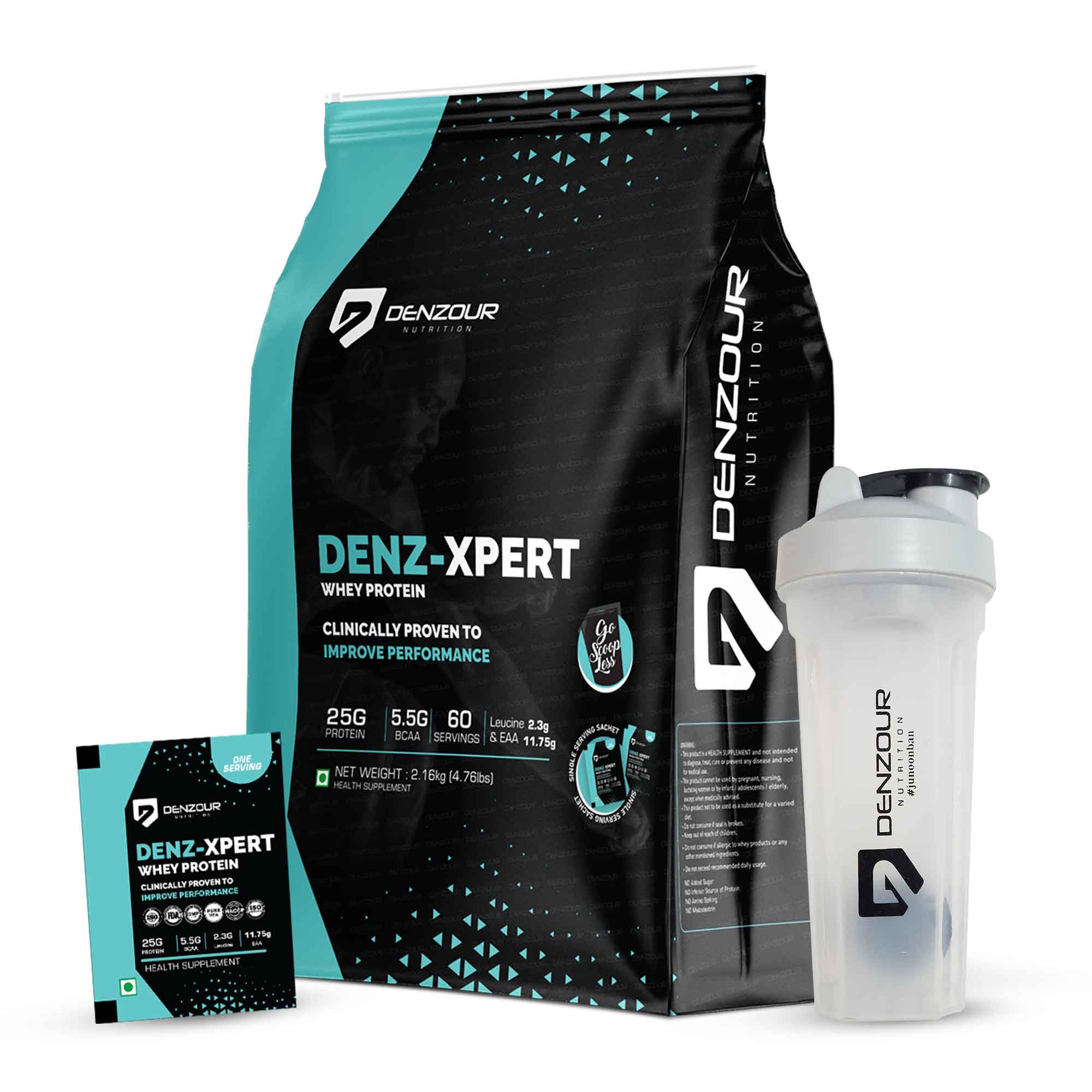
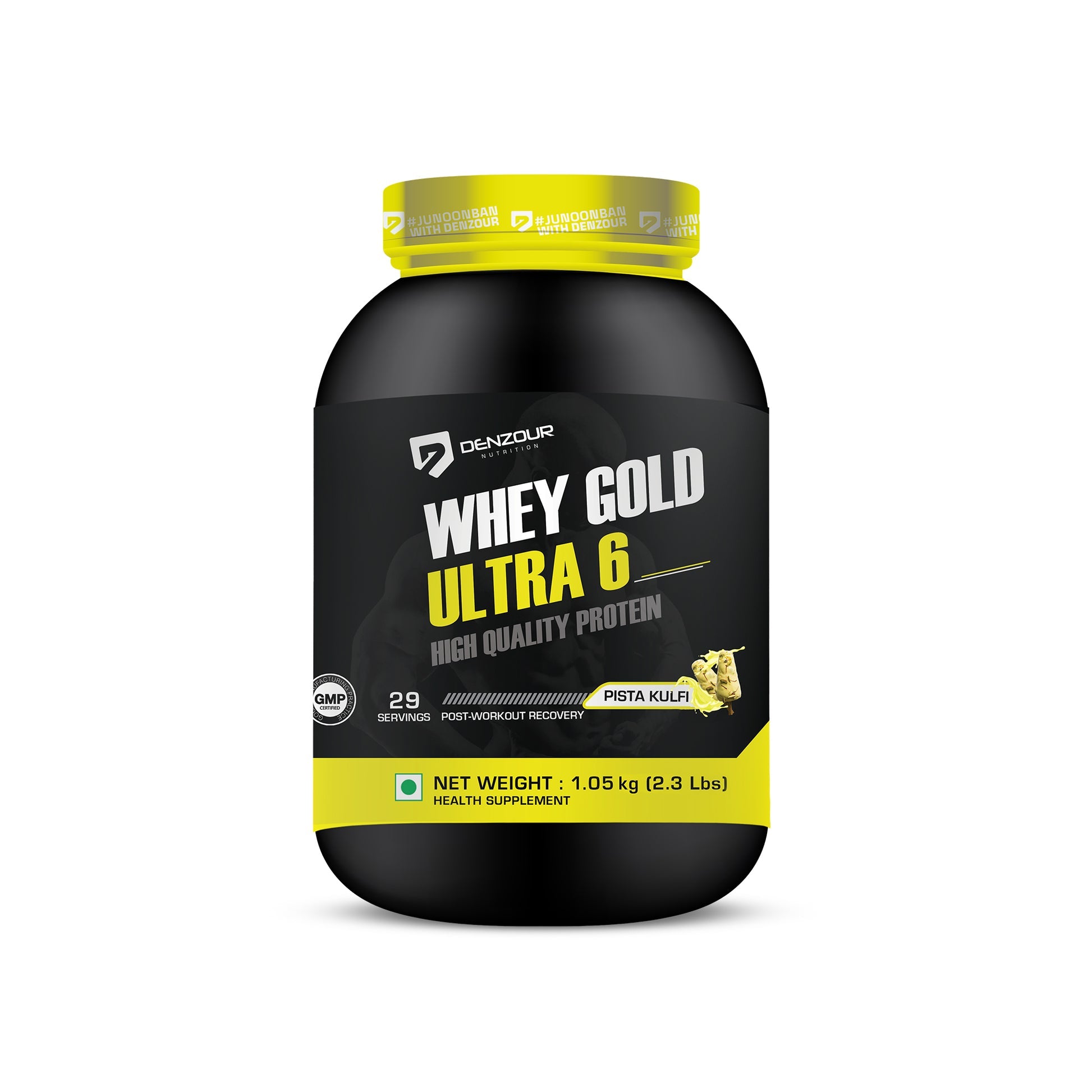
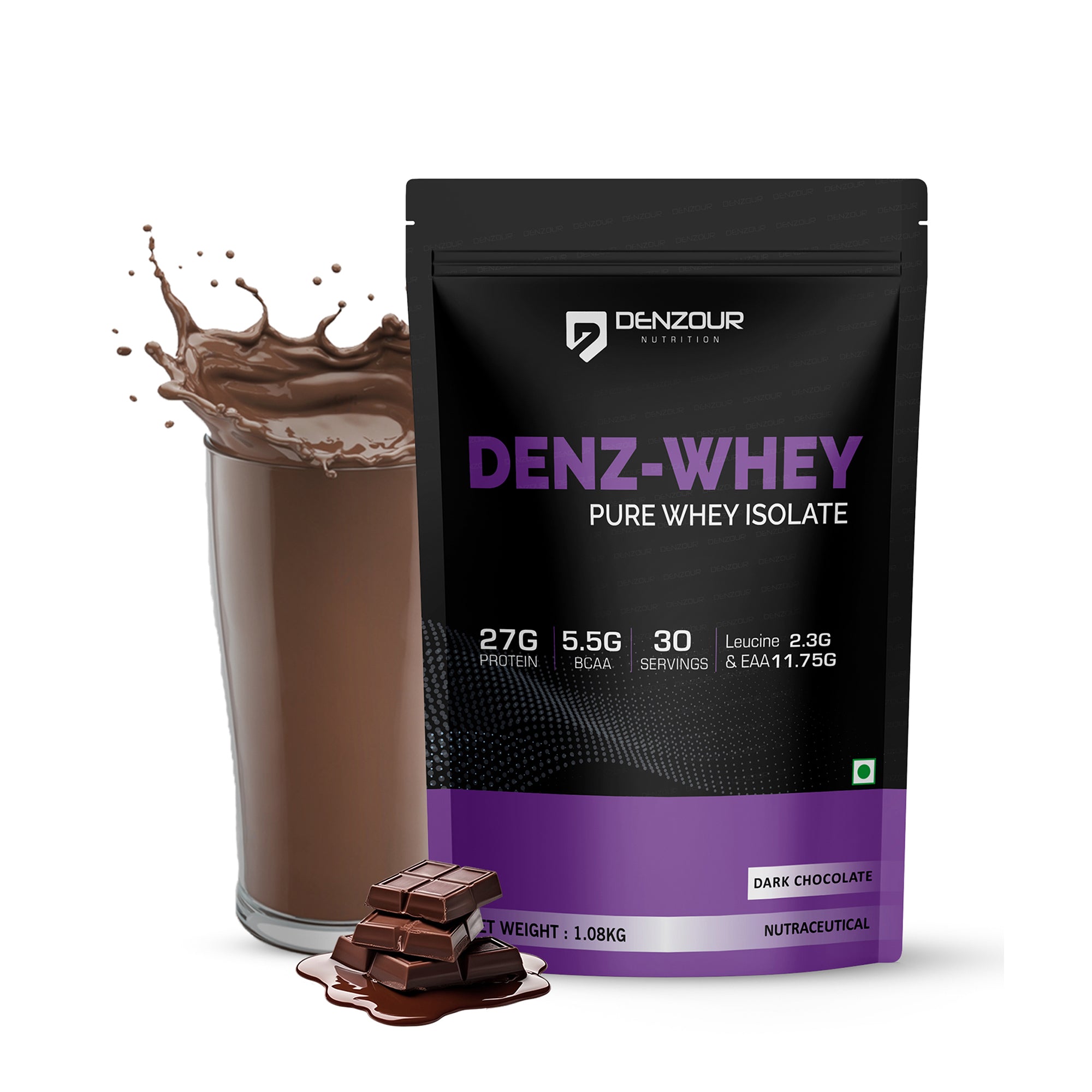
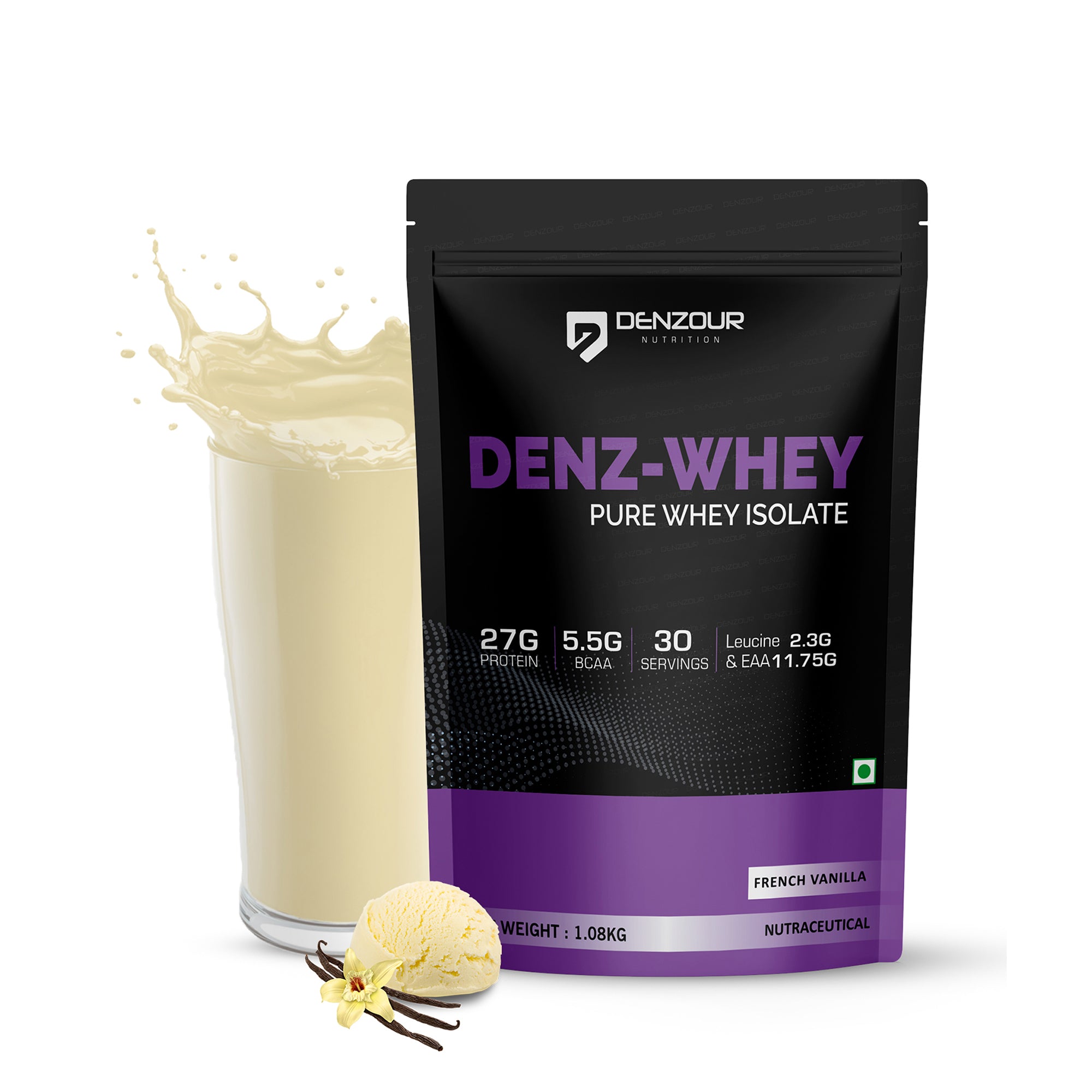
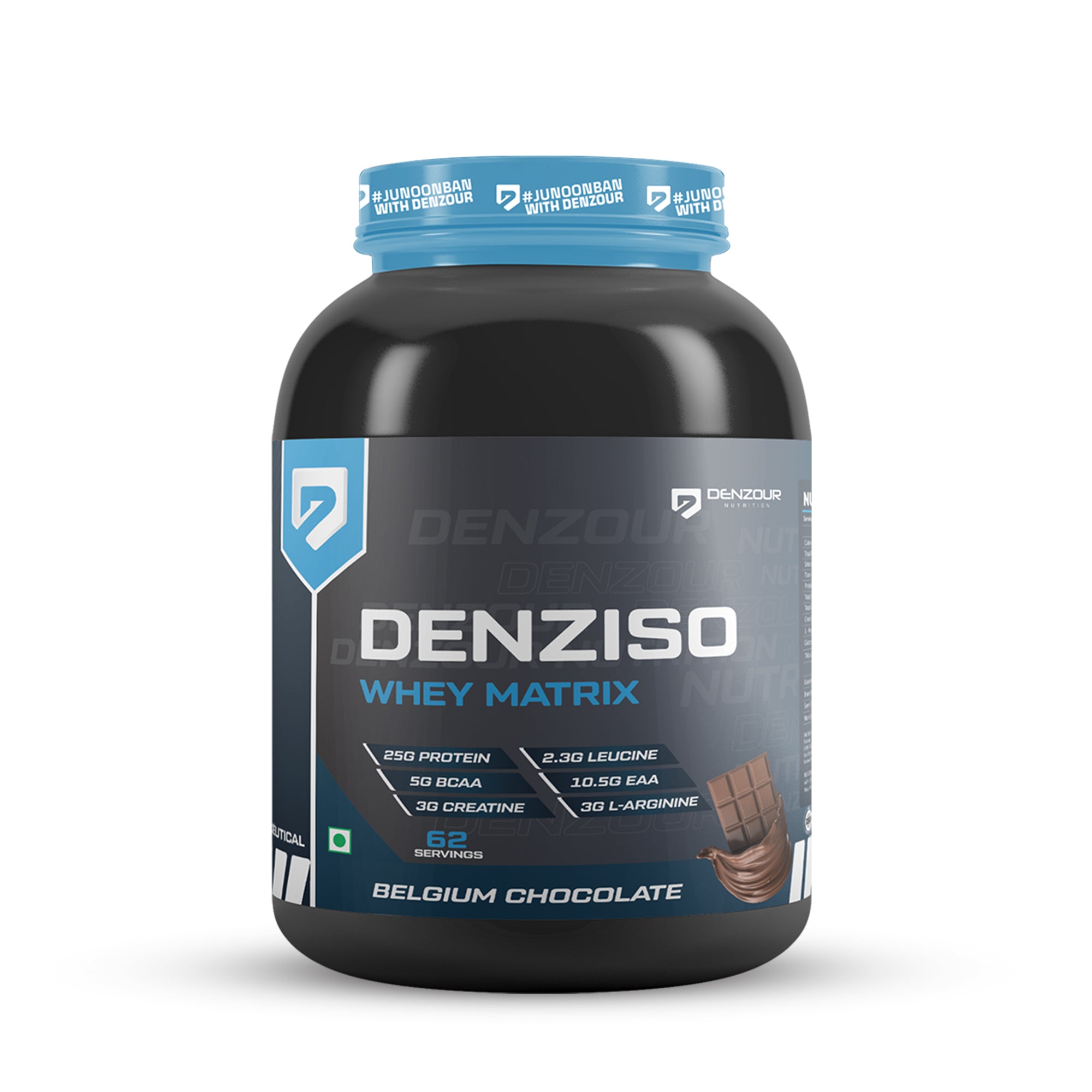
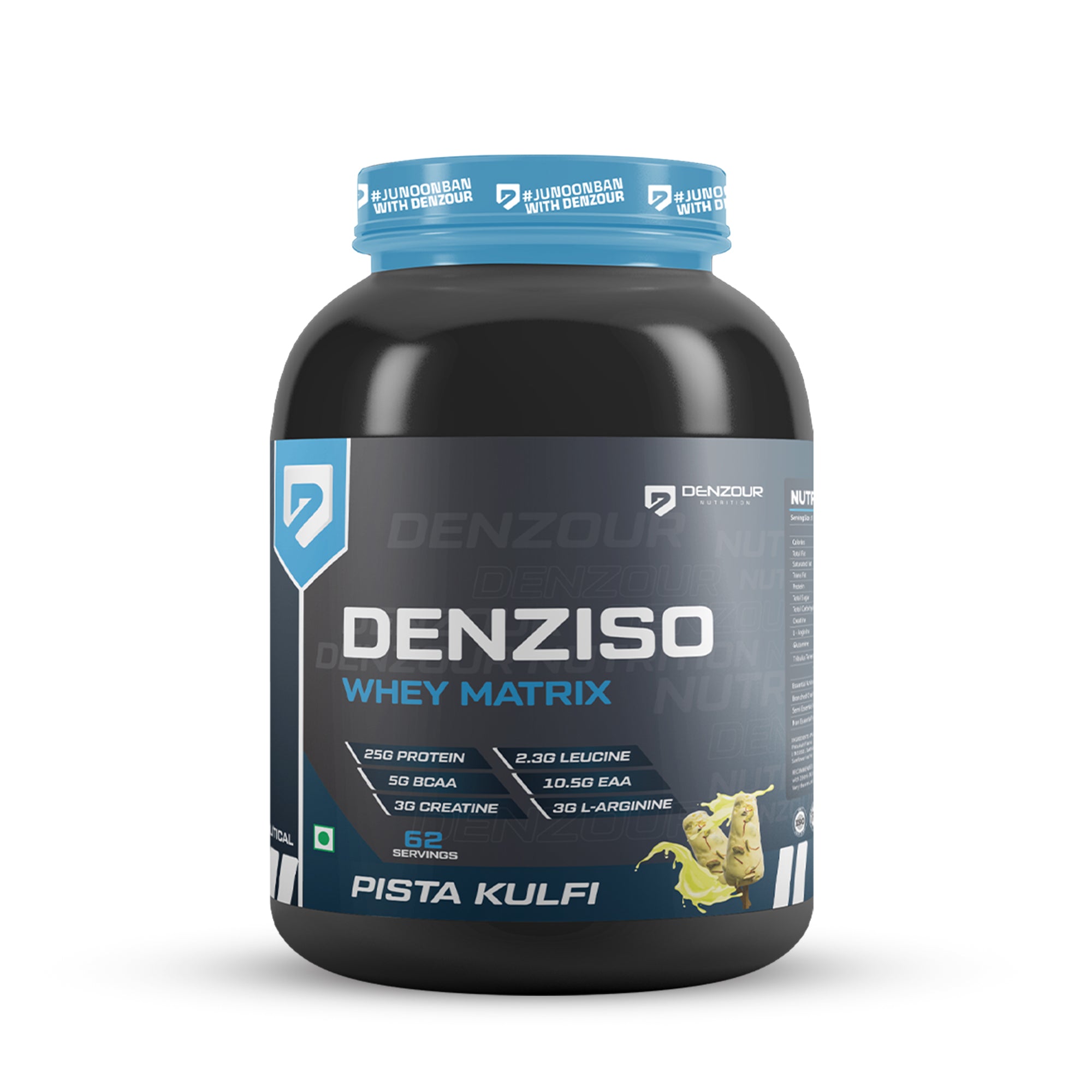
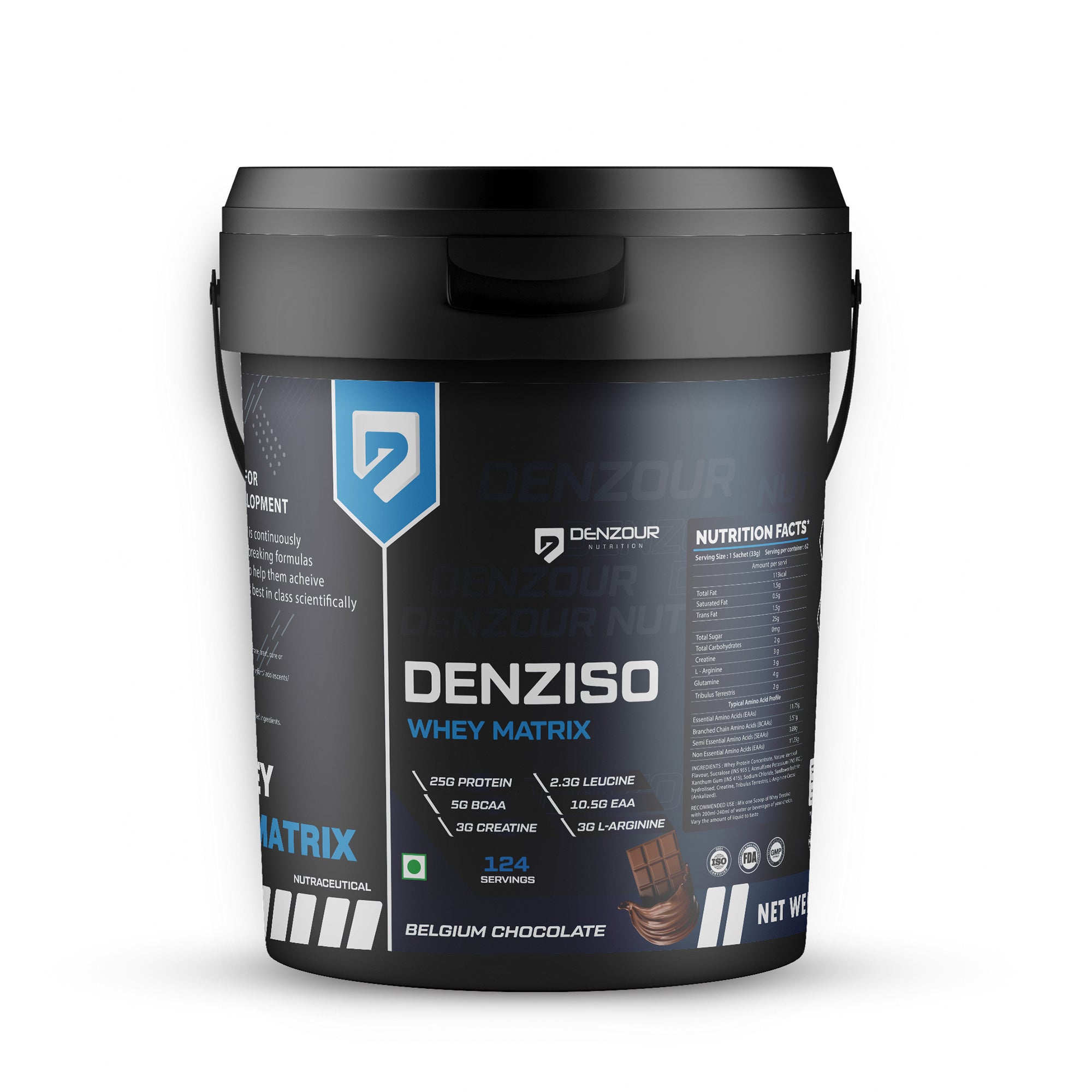
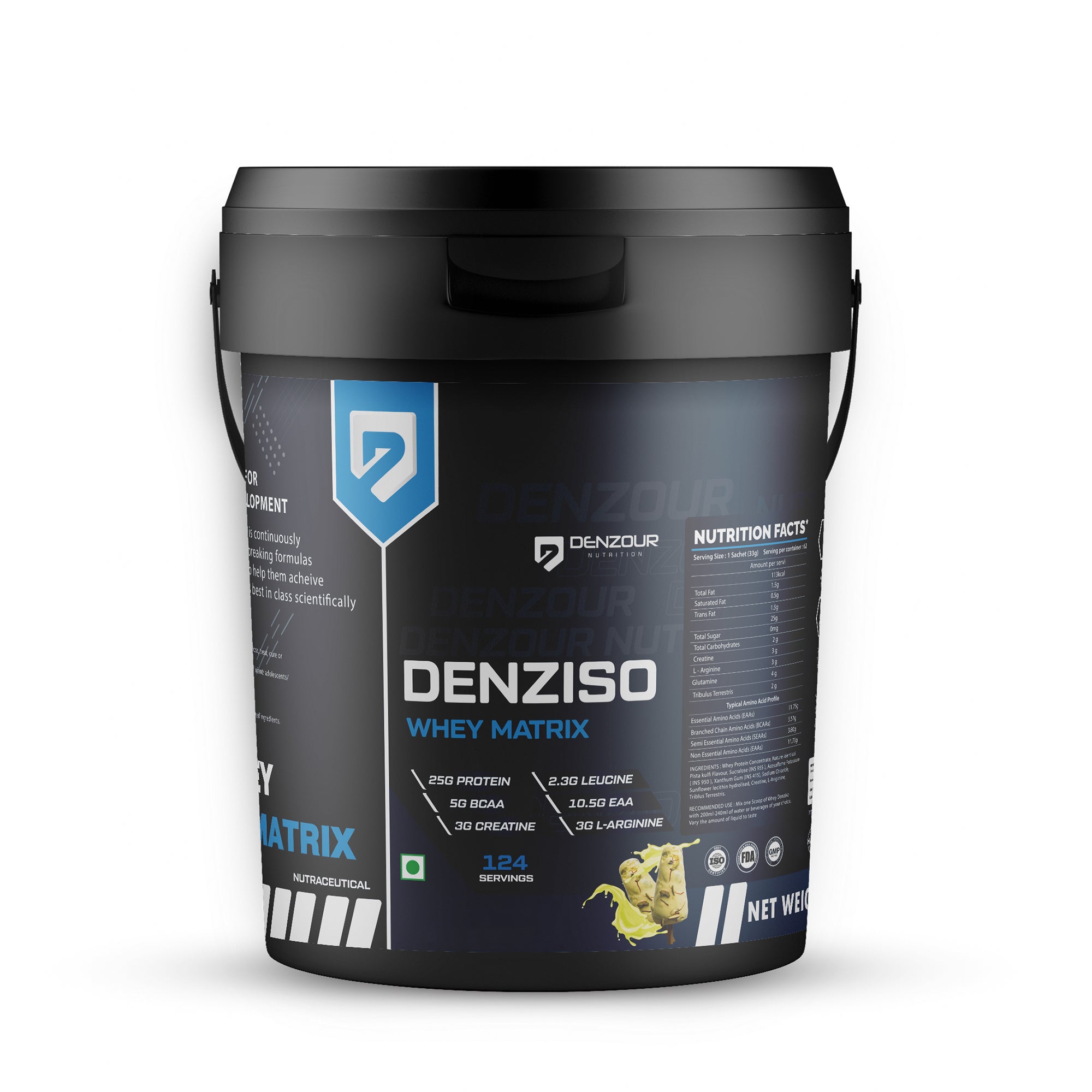
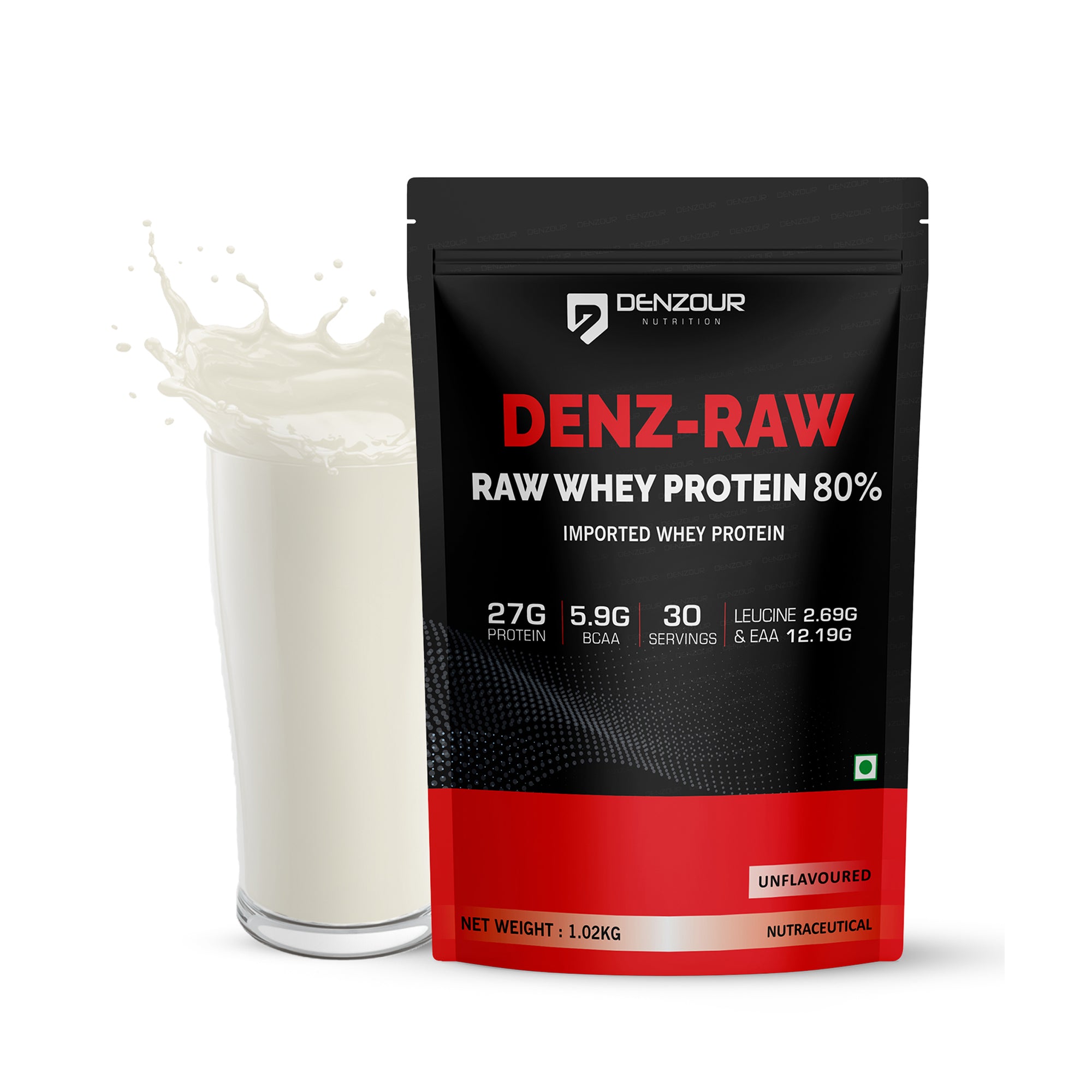
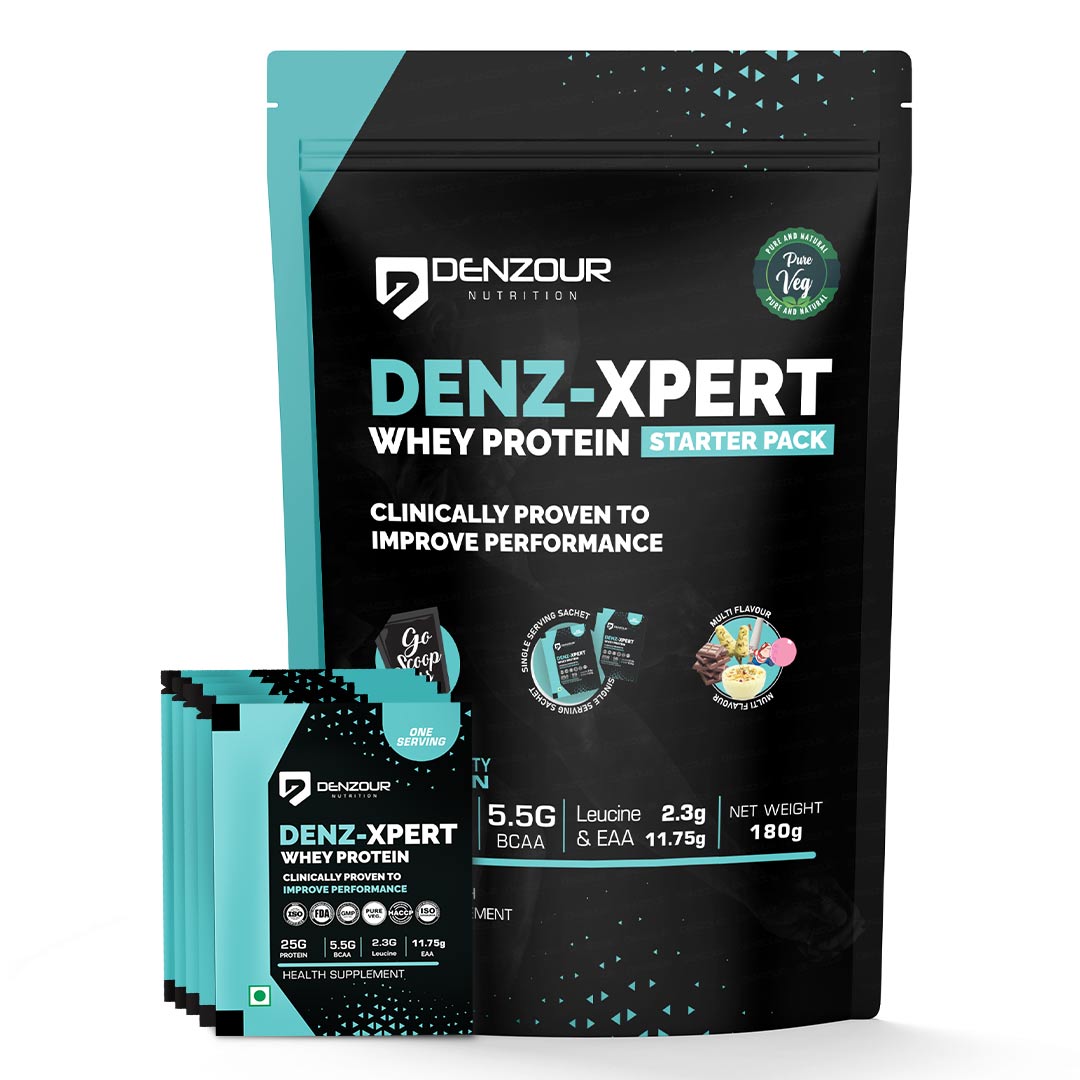
Moong dal are excellent sources of plant-protein but if your daily protein goal is quite high (fat loss, muscle gain, gym training) then a whey shake along with these dal will help you increase total protein intake without eating much. Like, Denz-Xpert Whey Protein Powder provides 25g of protein per serving, so it can be an easy add-on to breakfast (like moong dal chilla), or a post workout.
Best times to use it:
- After workout (post-training recovery)
- Breakfast (both moong dal chilla / sprouts salad)
- When you can’t get to complete protein from food only
Conclusion
Moong dal happens to be among the best everyday pulses you can find to make an intrinsic part of your diet, primarily because it provides a diverse array of nutrients including protein and fiber. The biggest lesson – Protein is different for Moong Dal when you measure it raw (like they do) or cooked.
- 100g raw (dry) moong dal gives you around 24g of protein.
- 100g of cooked moong dal yields about 6g of protein.
Green and yellow moong are both good options and protein-packed recipes like moong dal chilla make it simpler to add moong dal in my everyday cooking. If your protein needs are higher (gym, fat loss or muscle gain), you can also combine meal with an additional source of moong such as Denz-Xpert whey protein (25g of Protein per serving) for easier achievement of daily goals. With a low price tag, lot of versatility, and all that protein moong dal is a no brainer in terms of healthy eating!


