

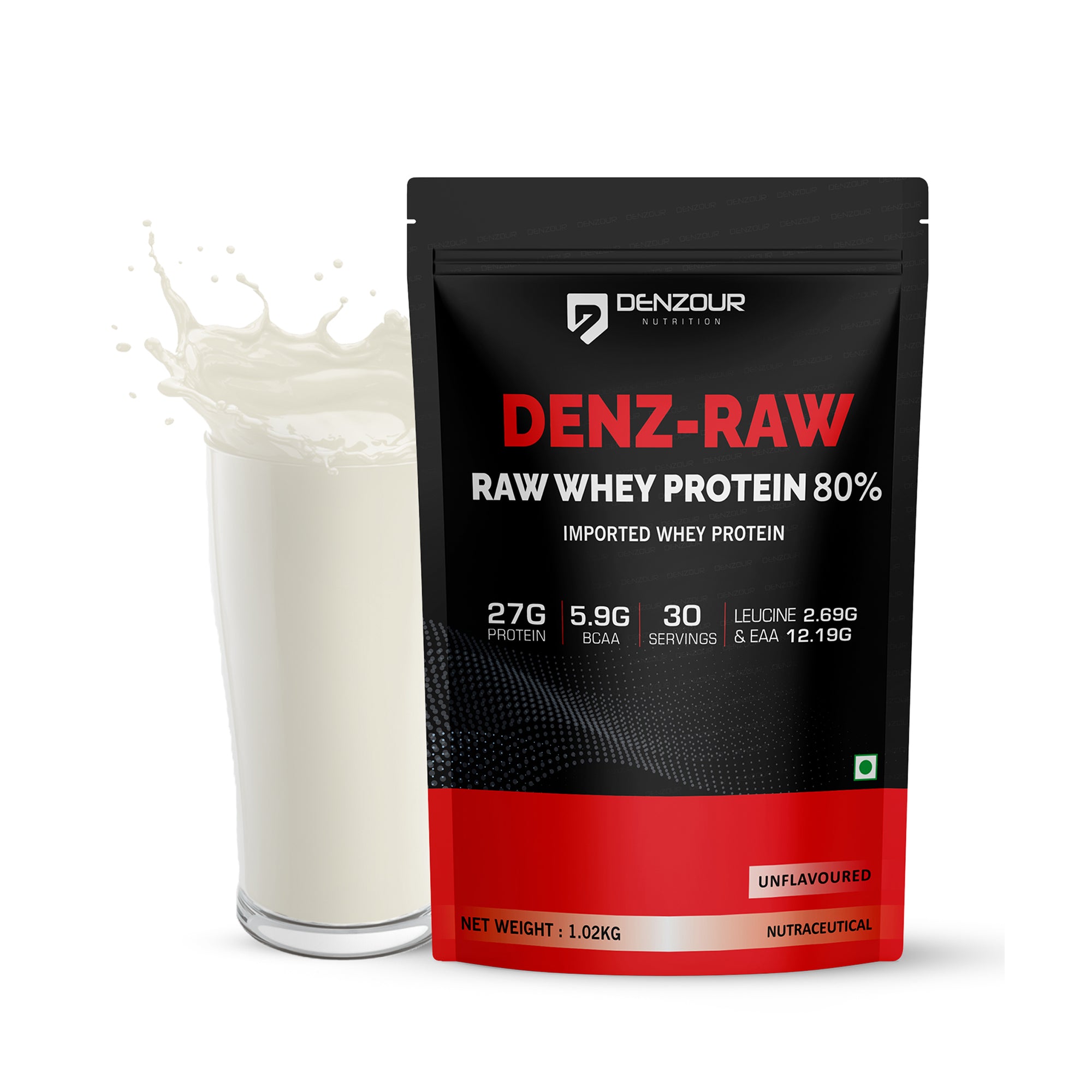
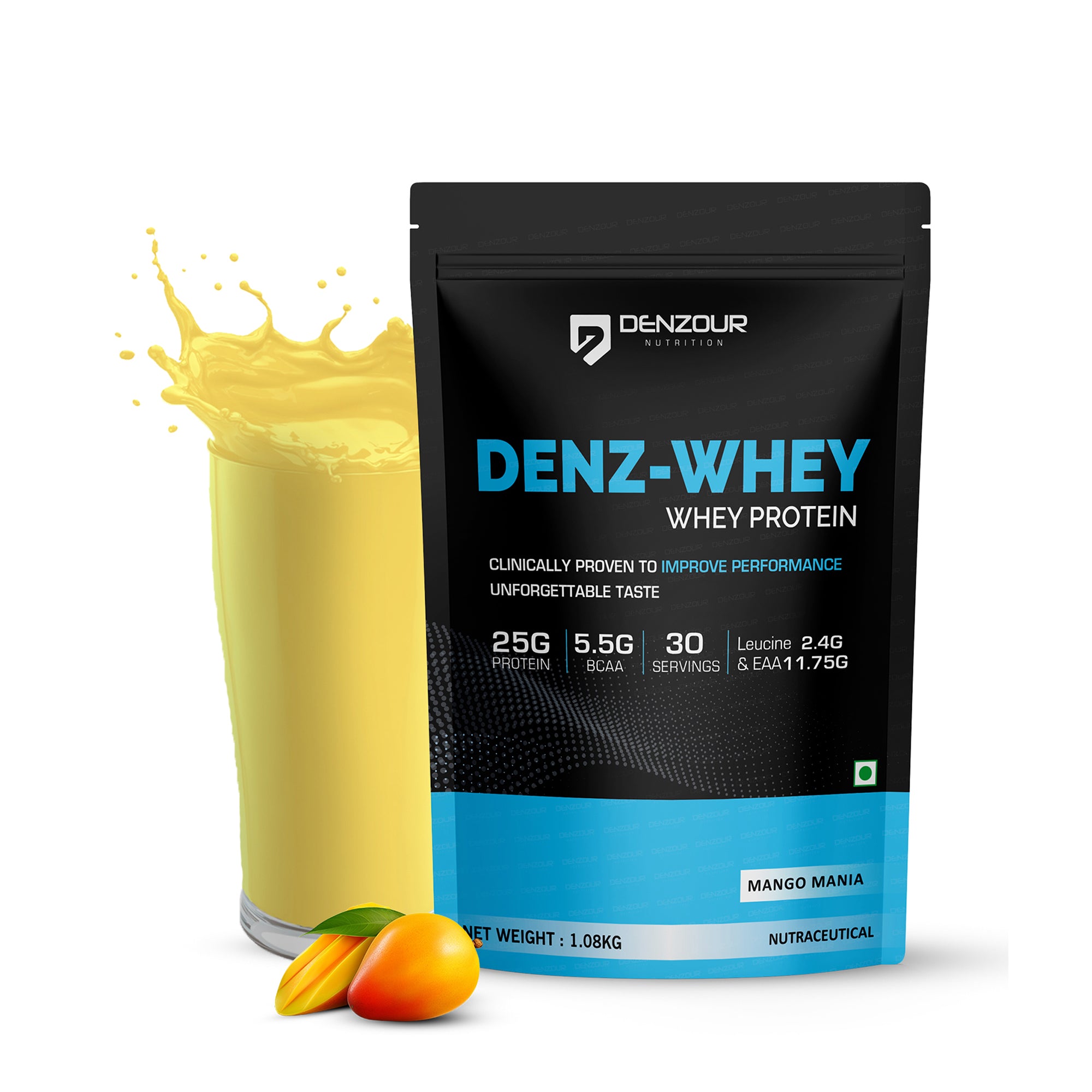
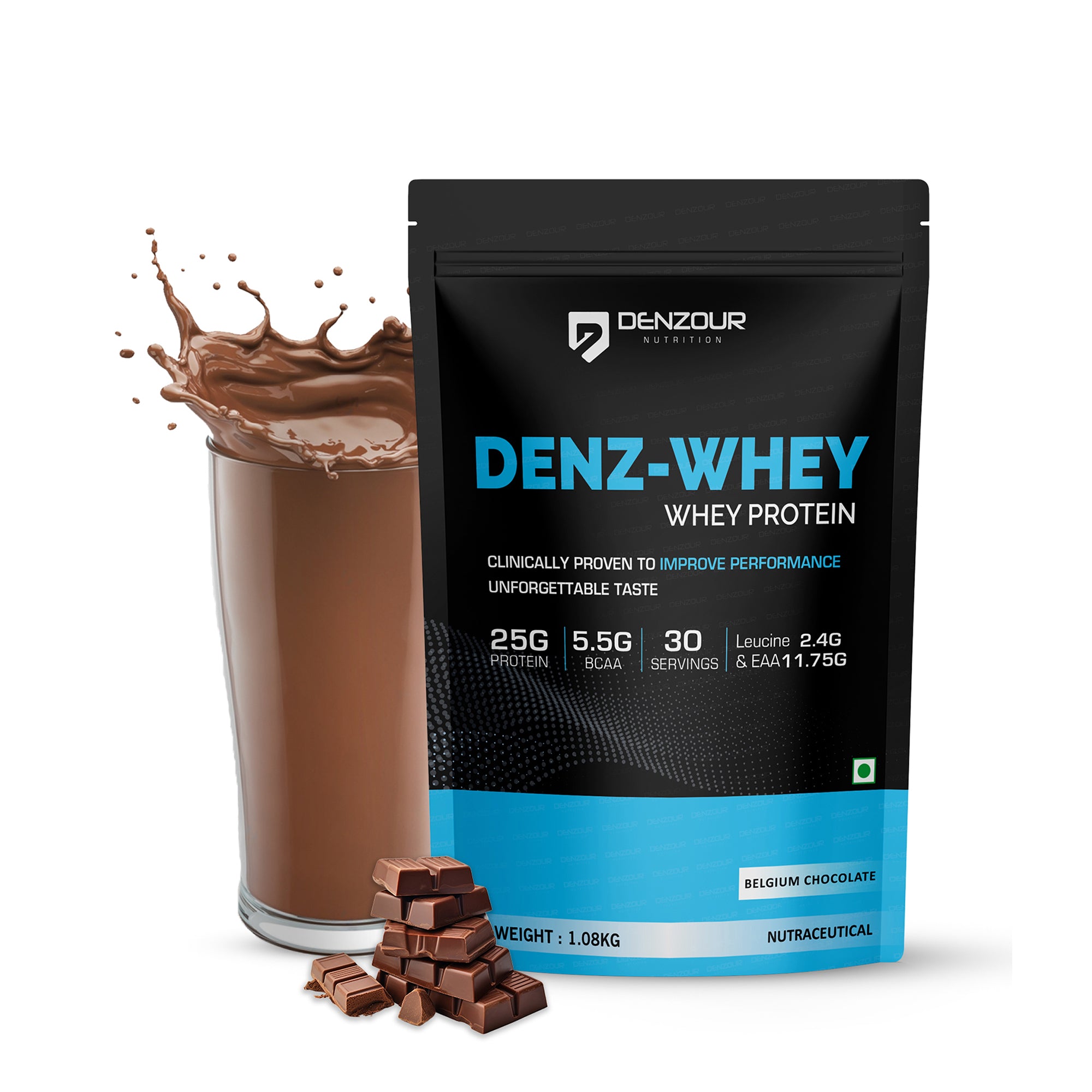
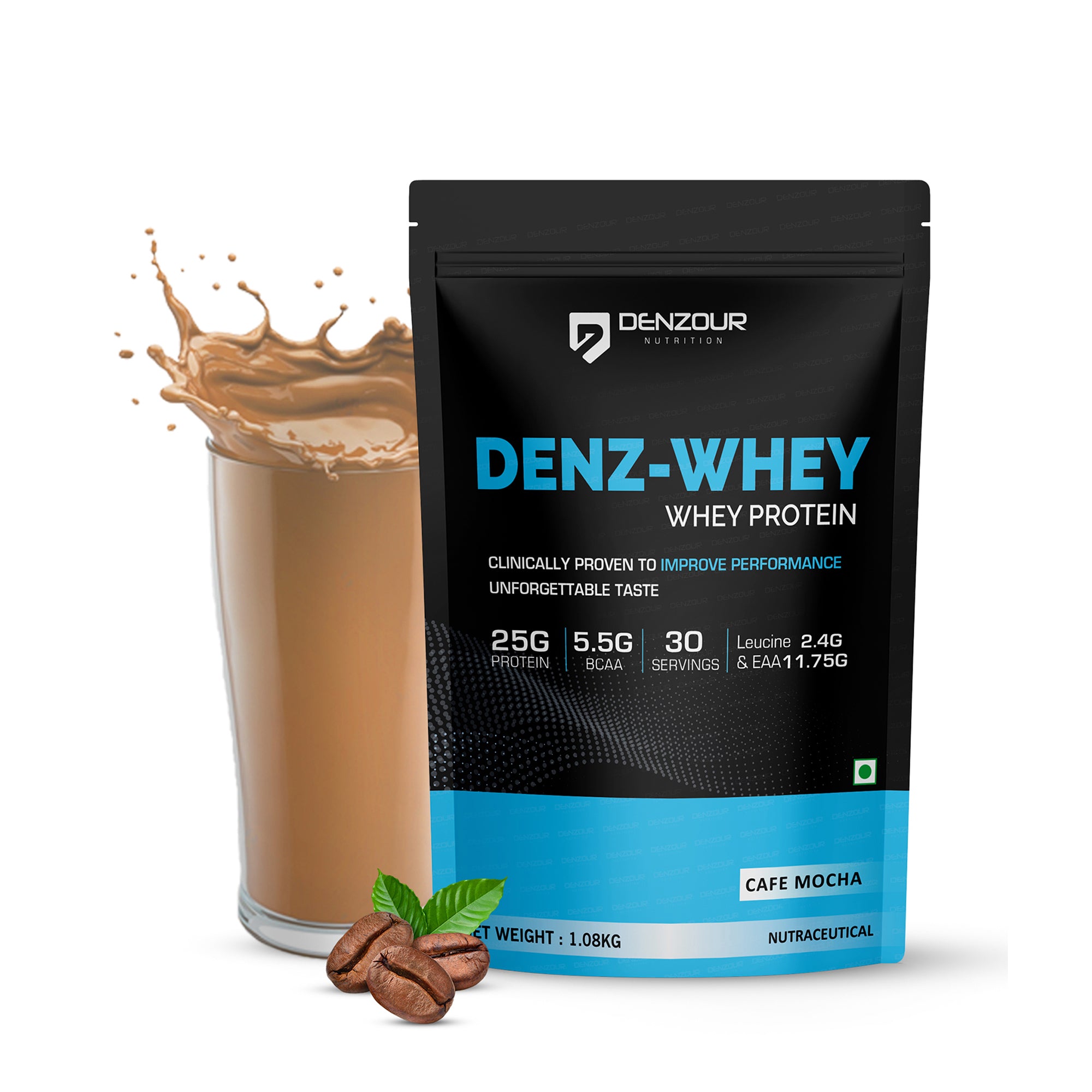



Milk is one of the easiest everyday drinks to incorporate a good-quality protein into your diet. Many people query about the protein content in milk 250ml there well as this is very common serving size at home – morning, evening or post-workout. The good news is: Milk delivers a steady dose of protein without any fiddly cooking. Milk is also rich in other vitamins and minerals, including calcium for bones, and it can help you feel full longer. But the specific protein can vary slightly according to the animal it comes from—be it full cream, toned, skimmed, buffalo milk or plant-based alternatives like soy milk. You will know here the exact protein in 250ml milk, protein comparison between types, health advantages and simple tricks to boost your protein from milk just practical.
- Cow milk 250ml gives around 8g protein
Protein in Milk 250ml
One regular sized glass of cow’s milk (250ml) provides around ~8g protein. Milk protein is “complete,” or contains all essential amino acids, so your body might put it to good use for muscle recovery and everyday strength. The numbers can vary a bit depending on source and brand of the milk but most cow’s milk is around 8g per 250ml. If you’re using milk to get shredded, stay full, or are just generally interested in being healthier and getting your protein in without having to cook anything than 250ml is a simple way to get more milk into your life everyday. Always refer to the nutrition label for the most accurate information and calculate according to “protein per 100ml.”
| Milk Type (250ml) | Protein (Approx.) | Details |
|---|---|---|
| Cow milk (regular) | ~8g | 250ml cow’s (regular) milk contains approximately 8g of protein and is all it takes to add a little oomph to your daily total. |
| Cow milk (toned & low-fat) | ~8g | Toned cow milk (250ml) has ~8g protein with not much fat compared to full cream. |
| Cow milk (skim & fat-free) | ~8g | ~8g protein here for 250ml skim milk and fewer calories but barely any fat. |
| Buffalo milk | ~9g | 250ml buffalo milk contains ~9g protein, slightly more than cow's (and also more creamy). |
| Goat milk | ~8–9g | 250ml goat milk provides approximately 8–9g protein, and I know some people find it more tolerable. |
| Soy milk (unsweetened) | ~7–9g | 250ml soy milk contains ~7-9g of protein, which makes it the highest of any plant-based source. |
| Oat milk | ~2–3g | 250ml oat milk contributes only about ~2–3g protein, so it’s not the best if you’re trying to get some extra protein in there. |
| Almond milk | ~1g | 250ml almond milk contains about ~1g protein which is significantly lower than cows’ milk. |
Key points
- Short answer: 250ml cow milk ≈ ~8g protein
- Reduced-fat/skim milk: protein is comparable; fat is lower
- Buffalo milk: sometimes a tiny bit more protein (a bit more fat, too).
- Plant based: soy milk can be close to cow milk, almond/oat tends to be low.
- Easy maths: if it says y g protein per 100ml then 250ml = y × 2.5
- To make it protein packed: Consume it with oats, curd, paneer, eggs or combine it with a high-protein meal.
Nutritional Value of 250ml Milk
1) Whole Cow Milk (Regular), 250ml
- Calories: Approximately 154 kcal per 250 ml of Whole Cow Milk
- Protein: ~8.2g protein per 250ml of full cow milk
- Carbohydrates: 250ml whole cow milk contains ~12.0g carbohydrates
- Sugars (Lactose) 250ml whole cow milk contains ~11.9g of naturally occurring sugar
- Total Fat: in 250ml whole cow milk, there is ~10.0g fat
- Saturated Fat: 250ml full fat cow’s milk contains ~7.3g saturated fat
- Cholesterol: ~33mg cholesterol in 250ml full fat milk obtained from cow
- Sodium: Approx 89mg per 250ml whole cow milk
- Potassium: 250ml of whole cow milk contains ~416mg potassium
- Calcium: 250ml whole cow milk contains ~315mg calcium
- Vitamin B12: ~1.33 mcg of vitamin B12 in 250ml whole cow milk
- Riboflavin (Vitamin B2): 250ml whole cow milk contains ~0.42mg vitamin B2
2) Low-fat / “toned” style (2% milk), 250ml
- Calories: 250ml of 2% milk contains ~125kcal
- Protein: ~8.25g protein for 250ml low fat milk
- Carbohydrates: ~12.0g in 250ml Low Fat Milk
- Sugars (lactose) 250ml Low-fat milk has ~12.7g natural sugar
- Fat: ~5.0g per 250mls of low fat milk
- Saturated Fat: 250ml low-fat milk supplies ~3.1g saturated fat
- Cholesterol – Per 250ml of low fat milk contains ~13mg of cholesterol
- Sodium: There is ~115mg sodium in 250ml low-fat milk
- Potassium: 24mg PK 250ml low-fat milk, 350mg in total.
- Calcium: ~300mg calcium is supplied by a 250ml low-fat milk
- Vitamin D: (if fortified) 250ml low fat milk provides ~3.0 mcg vitamin D
3) Skim milk (fat-free), 250ml
- Calories: ~85 kcal for 250ml of skim milk
- Protein: ~8.4g protein per 250ml skim milk
- Carbs: 250ml Skim milk contains ~12.4g carbs
- Sugars (Lactose) 250ml skim milk is a source of approximately 12.7g natural sugar
- Total Fat: ~0.2g in 250ml skim milk
- Saturated fat: 250ml skim milk contains ~0.14g of saturated fat
- Cholesterol: ~5mg Cholesterol per 250ml skim milk
- Sodium 250ml skim milk contains ~130mg sodium
- Potassium There is ~390mg potassium in 250ml skim milk
- Calcium: 250ml skim milk contains ~305mg calcium
- Vitamin B12: ~1.3 mcg vitamin B12 for 250ml low fat milk
Health Benefits of Protein in Milk
Milk seems like a very ordinary, daily beverage, but the protein present in milk is special because its quality (complete protein) is high — it contains all essential amino acids your body needs. ‘Milk proteins are a combination of both fast digesting (whey) and slow digesting (casein), so they can support your body in multiple ways.
1) Helps build and maintain muscle
Protein is the building block for muscles. If you exercise, walk a ton, or are on your feet all day at work or other physical labor then milk protein is beneficial for repairing tiny muscle damage brought on by exercise. In the long run, it helps improve strength/muscles and this could help gym-goers, athletes and even beginner trainers.
2) Supports faster recovery after workouts
Your body requires amino acids to recover after a workout. Wed menghasil kan kerak dengan whey (dukungan cepat) dan kasein (duka nya lama). Which is why milk makes a good post-workout drink, or for use with meals to enhance daily recovery.
3) Keeps you full and controls hunger
Protein helps keep you full longer than carbs alone. A glass of milk (250ml) can help to curb those unnecessary hunger pangs, particularly at night time. It's great if you are dieting / trying to control your weight, or just don't want munchies.
4) Supports bone health (not just calcium)
Most people know that milk is more than just calcium, but you also need some protein for your bones! One supports the structure of bone and one its strength. Collectively, both contribute to maintaining strong bones and prevent weakness over the course of time.
5) Helps healthy growth in children and teenagers
Growing age requires protein daily for the development of height, weight and strength. Milk is a simple one if they’ll drink it; it’s something they can chug, with solid nutrition and not a ton of sugar (ideally). It’s especially good for kids who eat too little protein at meals.
6) Supports healthy ageing (muscle loss prevention)
With age, a large percentage of people lose muscle naturally. Protein can help mitigate that loss of muscle. Milk can be an easy source of protein, especially for older people — it’s soft and easier to tolerate for many people who have trouble digesting other foods, and it fits into the daily routine.
7) Supports immunity and body repair
Your body needs protein to make enzymes, hormones and other body chemicals, as well as to be the building block for your bones, muscles, cartilage van style exhaust fan. “When you have adequate protein on a consistent basis, your body is more able to do daily repair and normal immunity,” Read says.
8) Supports better energy and daily performance
Protein helps stabilize energy levels since it’s digested more slowly than sugar-laden drinks. Milk contains naturally occurring carbs + protein and can help out with morning energy levels, but more realistically when you have it as part of breakfast.
Protein in Milk: Comparison by Common Serving Sizes
Milk is a basic, daily drink which supplies your body with high quality protein. Protein value varies with the serving size, and we direct you towards serving quantities for 100ml, 250ml, 500ml and 1 liter that can assist in your dietary planning or weight loss needs (whether it’s health,fat burning or fitness).
- 100ml: ~3.3g protein per 100ml cow milk
- 250ml (1 cup):- Approx 8.2g of protein present in just 250ml of the cow’s milk
- 500ml (2 glasses): ~16.4g protein in 500ml cow milk
- 1 liter (1000ml): ~32.8g protein for 1 liter from cow milk
Comparison: Milk vs Other Protein-Rich Foods
| Protein-rich food (common serving) | Protein (approx.) | Protein + Details |
|---|---|---|
| Cow milk (250ml / 1 glass) | eight gram protein | Cow Milk (250ml/ 1 glass) gives approximately ~8g of protein, which is a convenient daily protein source. |
| Egg (1 large) | ~6g | 1 large egg has 6g protein, just under the amount in a glass of milk. |
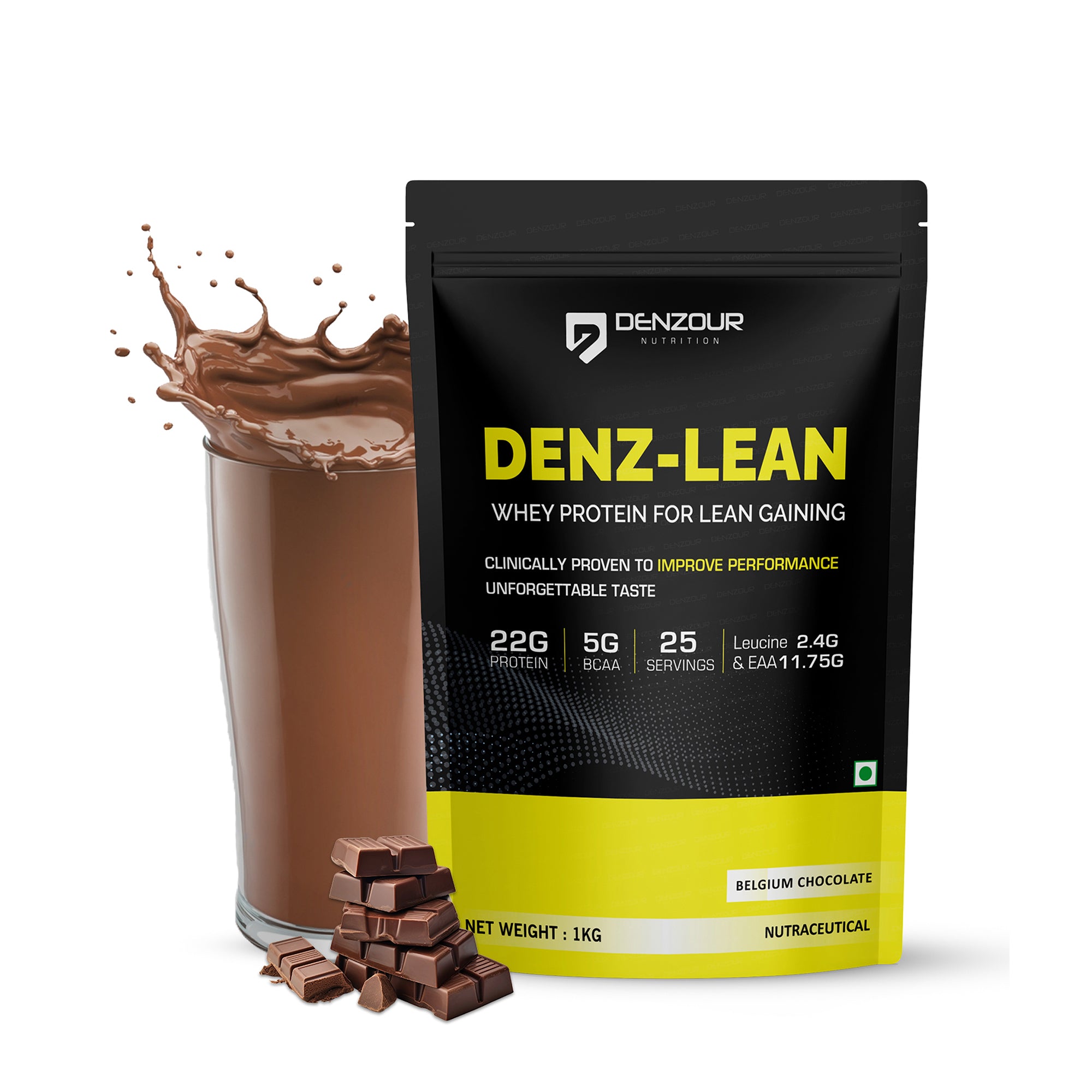
| Whey protein (1 scoop / ~30g) | ~23–25g |
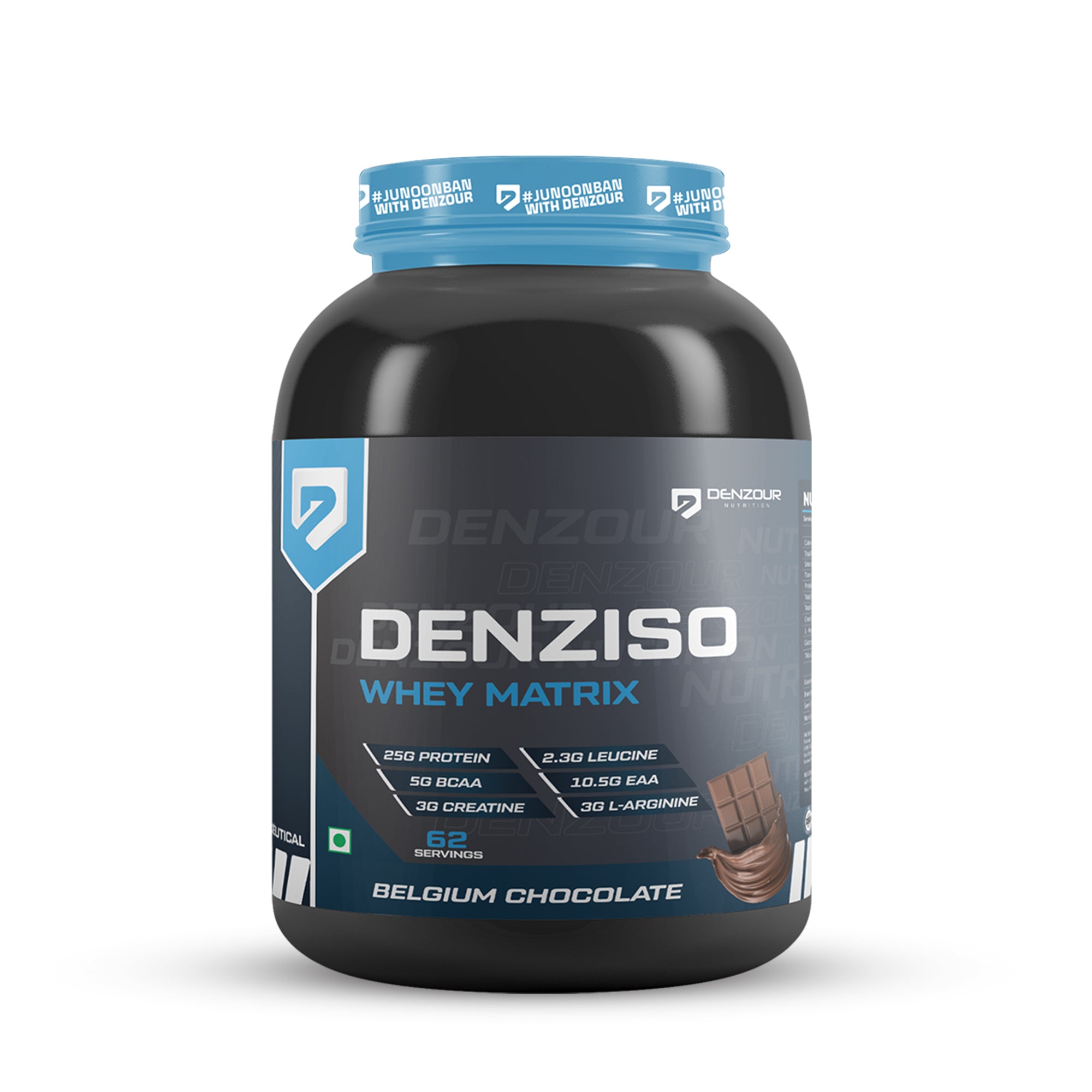
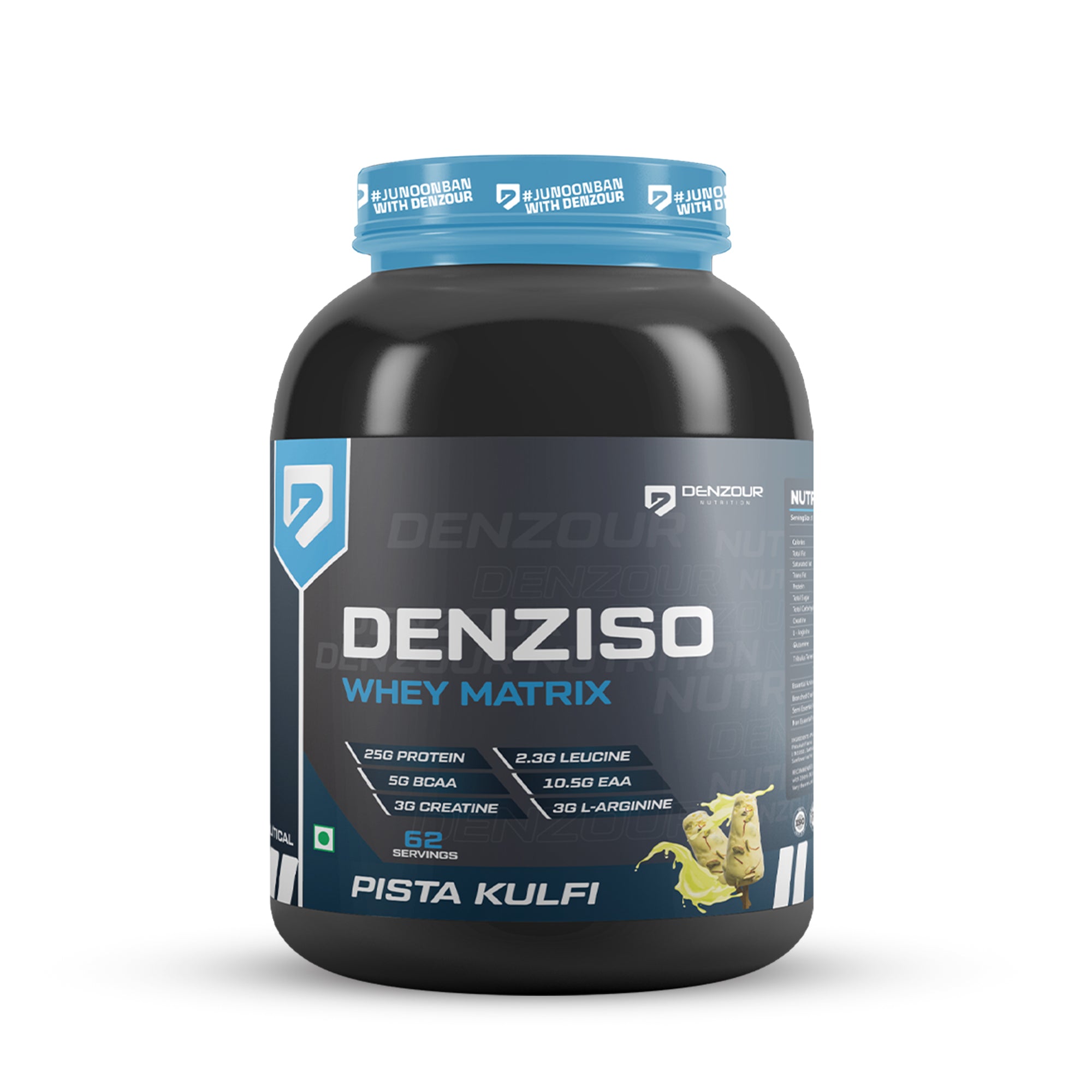
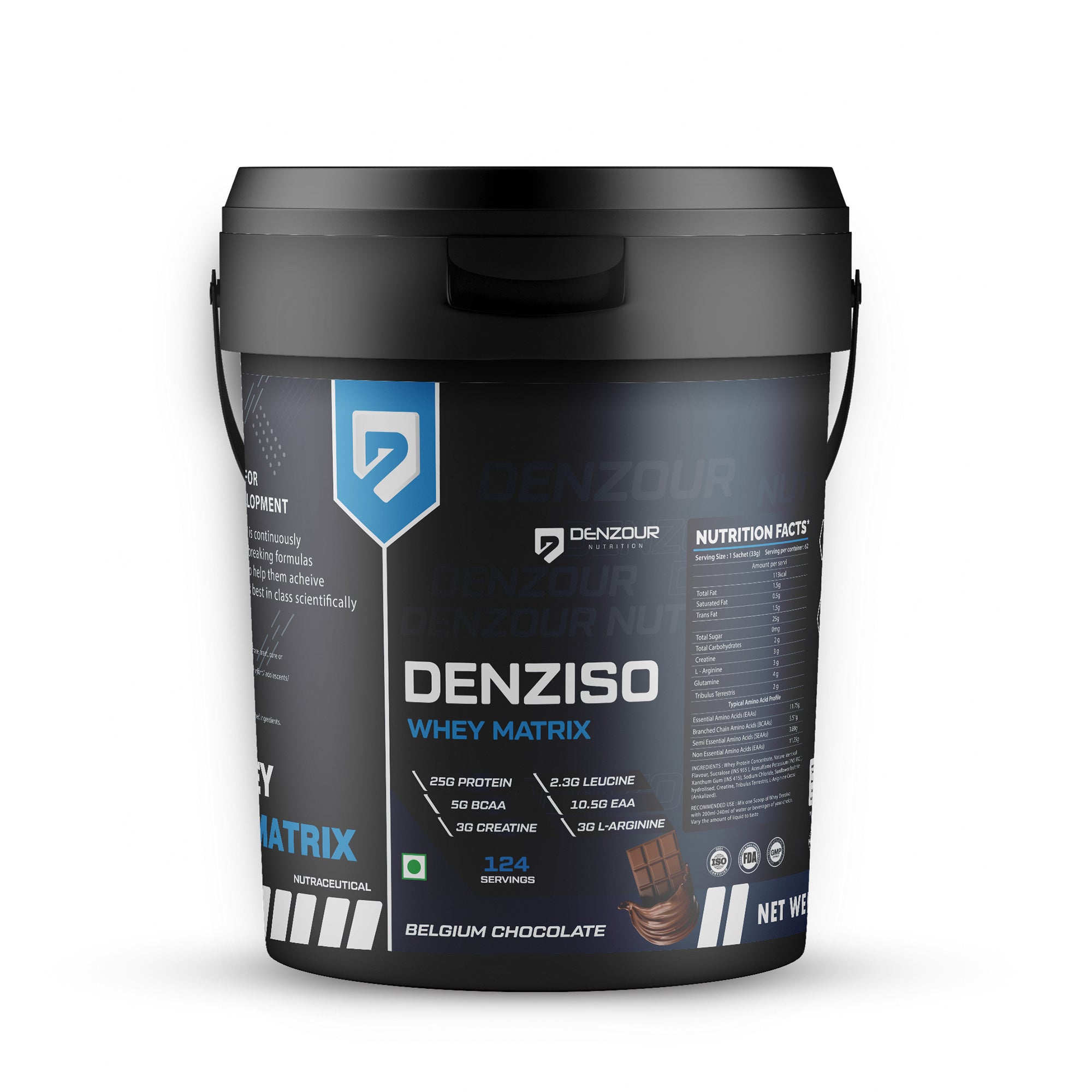
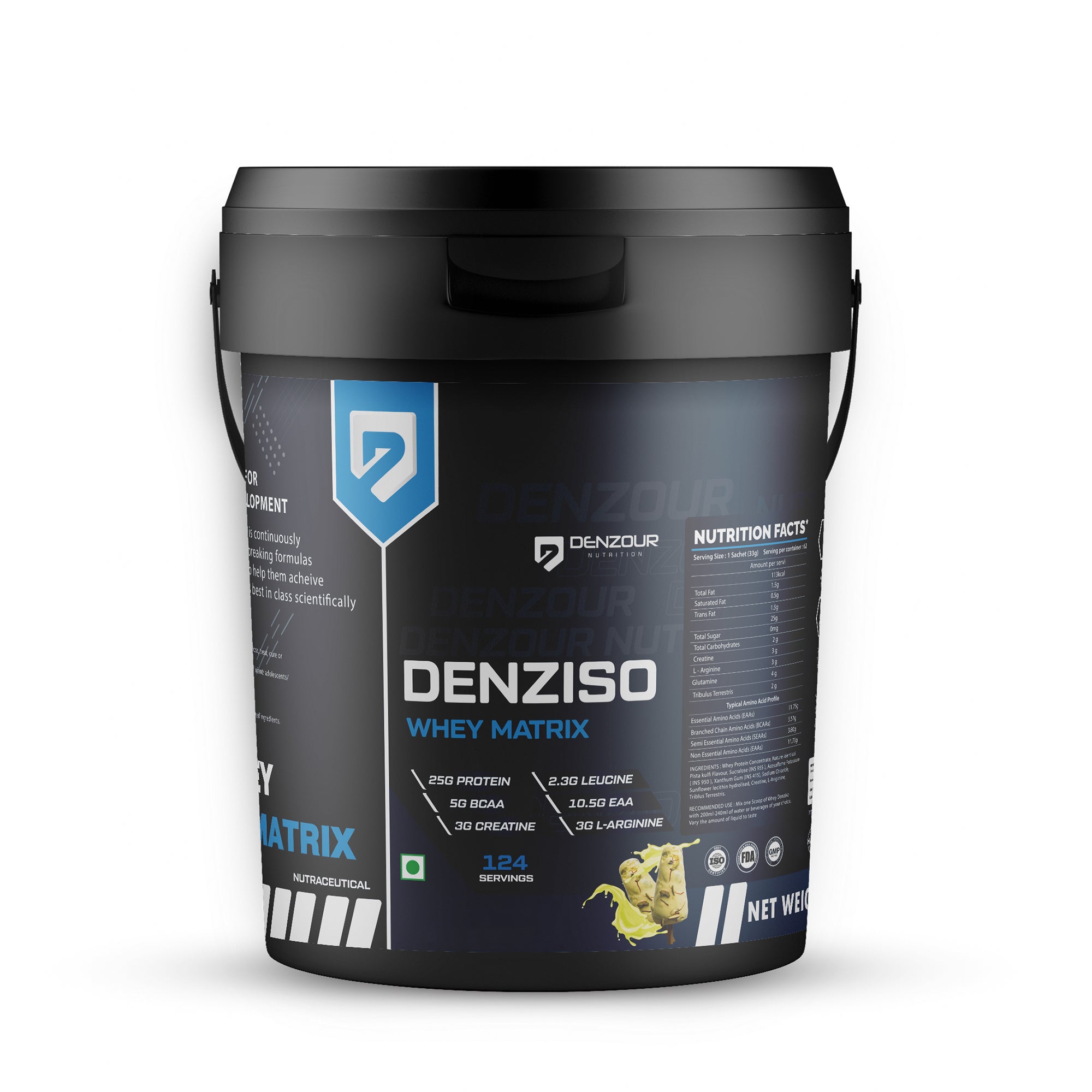
A scoop of whey protein (30g) contains roughly 23–25g of protein – that’s about 3 glasses of milk. |
| Chicken breast 100g cooked | ~31g | 100g cooked chkicken breast gives you ~31g protein, which is more than milk. |
| Paneer (100g) | ~18g | 100g paneer has around ~18g protein, which is equivalent to more than 2 glasses of milk. |
| Greek yogurt (plain, ~170g cup) | ~15–18g | 1 cup Greek yogurt (170g) has 15–18g of protein, again, a high-protein dairy with low sugar. |
| Tofu (firm, 100g) | ~14–17g | 100g of firm tofu yields around ~14–17g protein, a good plant based option. |
| Cooked dal/lentils (1 cup) | ~16–18g | 1 cup Cooked Dal/Lentils 1 cup:It will give you approx. 16–18g of protein which is equivalent to that in 2 glasses of milk. |
| Chickpeas (cooked, 1 cup) | ~14–15g | 1 cup cooked chickpeas has approx ~14–15g protein- good for vegetarians diets. |
| Cottage cheese (100g) | ~11–12g | 100g cottage cheese has about~11-12g protein than milk same quantity-wise. |
| Peanuts (roasted, 30g handful) | ~7g | 30g roasted/peanut has approx ~7g Protein: Almost equivalent to a glass of milk. |
| Almonds (30g handful) | ~6g | 30g almonds are approximately ~6g protein, which is less than a 1/glass of milk. |
Protein in 250ml Milk for Different Goals
1) For Muscle Gain / Gym
- 250ml milk provides ~8g protein, so it's a good foundation but not sufficient by itself for muscle growth.
- Best use: consume 250ml milk with a high-protein meal or post-workout with carbs.
- If you find yourself unable to get g of protein each day, milk is a great way to easily boost your protein intake without having to cook.
2) For Weight Loss
- 250ml milk can help prevent you feeling hungry as protein is filling.
- Best option: Toned/low fat milk that is lower in calories and has similar proteins.
- Avoid: added sugar to milk (chocolate, extra sugar and heavy shakes) as calories add up fast.
3) For Kids & Teenagers (Growth)
- Milk is convenient - and 250ml provides protein + calcium for your child’s growth needs every day.
- Best use: In the morning or evening with balanced diet (dal, eggs paneer, fruits).
4) For Seniors (Strength & Muscle Maintenance)
- Milk is easy to drink, and protein can help counteract the age-related loss of muscle.
- Best use: 1 glass per day, preferably with breakfast or evening snack.
- Should you experience digestive issues, try smaller servings or lactose-free substitutes.
5) For Busy People (Quick Nutrition)
- 250ml milk is a quick fix when you can’t cook – easy protein and hydration.
- Best served with: nuts/oats/banana for a complete snack.
Which Milk is Best for Protein?
Here is a simple ranking, if your goal is most protein per serving (common choices):
1. Best overall (quick + high protein)
- Cow milk (regular/toned) – contains approx ~8g protein per 250ml
- Best for most people because it’s affordable and easy to find and protein stays strong even in toned/low-fat.
2. Highest among common dairy milks
- Buffalo Cows milk: Some ~9g protein in every 250ml
- Great source for protein but also a higher fat and caloric source, so great for those of you bulking or who just need the extra calories.
3. Best plant-based for protein
- Soy milk (unsweetened): Around ~7–9g protein per 250ml.
- Best vegan option for protein. Check the label, as protein varies by brand.
Not the best if your goal is protein
- Oat milk: typically a mere ~2–3g protein per 250ml.
- Almond milk -typically only ~1g of protein per 250ml to be found here!
(Those aren’t bad for flavor, but they are not high in protein.)
Conclusion
A 250 ml serving of glass milk is a delightful and convenient way to reach your daily protein requirements. Contains an average of Protein in Milk 250ml 8g Protein, making it an easy support and quick fix for your muscles before or after training as well of a leading to fuller felling between meals. If you want a drop fewer calories, use skimmed or toned milk (protein content remains about the same), and if you would like something richer, buffalo milk might have marginally more protein. For a truer figure, ensure you read your milk pack’s label and all it requires is some simple math — protein per 100ml × 2.5. Overall, milk is very easy and affordable protein rich food that you can incorporate into a good weight loss, bodybuilding or health plan!


